
How to Document Project Dependencies and Interfaces
Documenting project dependencies and interfaces is crucial for ensuring that a project progresses smoothly and effectively. Project dependencies are relationships where one task relies on the completion of another before it can begin. This relies heavily on careful documentation to communicate which tasks are interlinked. Proper documentation allows project managers to track which components must be completed in sequence to meet deadlines. A common approach includes using dependency diagrams and lists that clearly outline these relationships. Additionally, utilizing project management tools can help visualize dependencies more effectively. For instance, tools like Trello or Asana can help streamline the overview of project components. Another essential aspect of project documentation is the identification of interfaces between different project teams or components. Each interface needs clear guidelines on how teams will communicate. Standardized templates can be beneficial to ensure all necessary information regarding interfaces is captured, particularly roles and responsibilities. By addressing dependencies and interfaces in a thorough manner, a project manager can foster collaboration, reduce confusion, and keep the project on track.
Identifying Dependencies
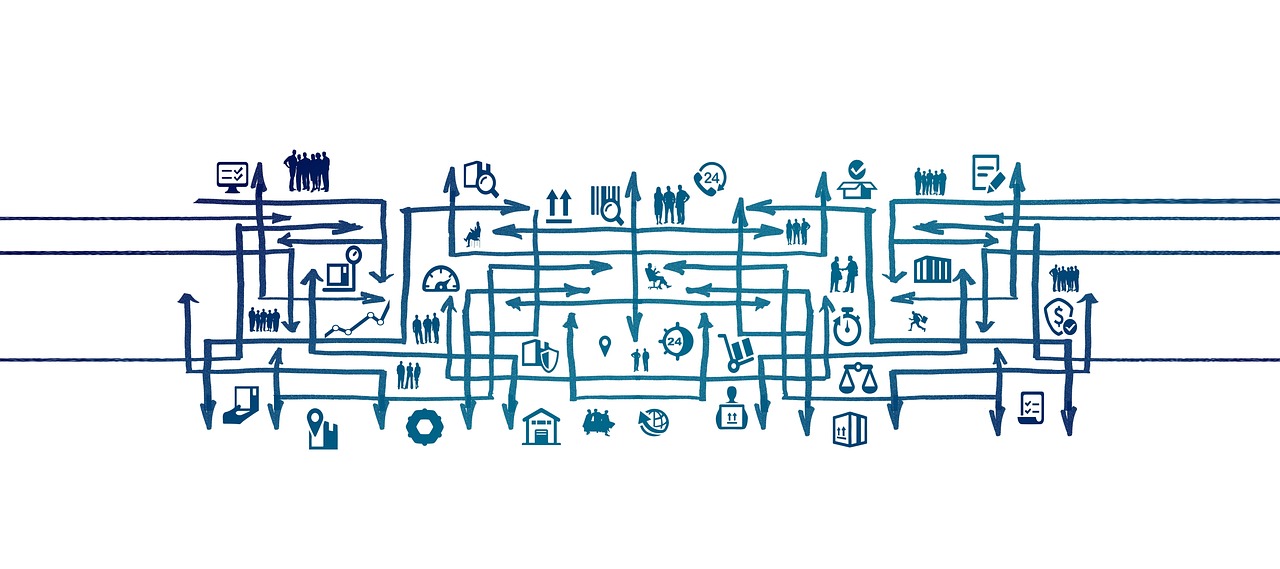
To start documenting dependencies, the first step is to conduct a comprehensive review of the project scope. All tasks and milestones should be listed, and their interconnections must be explored. It is essential to ask critical questions such as, “What must be completed before this task can commence?” and “Which tasks depend on this completion?” This inquiry helps establish a logical flow among tasks. The next step is to organize these identified dependencies in a clear format. A dependency list or a visual chart can be helpful; user-friendly diagrams can show the sequence and relationship of tasks. This can take the form of Gantt charts or flowcharts. Another effective method is to engage team members in workshops designed to explore dependencies. Collaborating encourages team members to share insights about task relationships they might be aware of. This not only enriches documentation but might also unveil hidden dependencies that could affect the project timeline. Ultimately, documenting dependencies accurately can lead to better time management and project efficiency, as everyone is informed about task sequences.
Once the dependencies have been identified, the next phase involves detailing each dependency in the project documentation thoroughly. This means capturing essential information about each dependency, including the nature of the task and its relationship with other tasks. A well-formatted table can serve as an effective tool, showcasing the relevant details of each dependency. For each dependency, include categories like task names, expected completion dates, and any potential risks associated with delays. Identifying risks ahead of time is critical; this allows teams to prioritize critical dependencies and focus on mitigating potential challenges. Furthermore, it can be beneficial to assign responsibility for monitoring each dependency clearly, ensuring accountability throughout the project lifecycle. This also facilitates smoother communication between team members and stakeholders. Regular updates on the status of dependencies should also be provided to ensure that all team members remain aligned. Having an open channel for feedback about these relationships can significantly aid in alleviating any potential misunderstandings or obstacles during execution.
Documenting Interfaces
Alongside dependencies, documenting interfaces is equally vital for project success. Interfaces refer to interactions between different teams or components within the project. Clear guidelines need to be defined to specify how teams will collaborate and share resources. This documentation should clarify what information is necessary for collaboration and detail the communication protocols in use. Establishing these interfaces may include defining roles, responsibilities, and expectations to prevent assumptions that could lead to misunderstandings. A communication plan can be useful in maintaining clarity surrounding interfaces. It should include the channels of communication, frequency of meetings, and mechanisms for reporting issues. Regular touchpoints will help ensure that each team is on the same page concerning their dependencies. Additionally, it is advisable to create shared documentation platforms where interface-related details can be updated frequently. Tools such as Google Docs or Confluence might work well to maintain up-to-date information. By documenting interfaces comprehensively, project managers can create a favorable environment for cooperation within the teams, leading to higher productivity and satisfaction.
Moreover, when documenting interfaces, it is also essential to allow for scalability as the project evolves. As teams grow or project requirements change, interface documentation must remain relevant and adaptable. Thus, regular reviews of documentation are essential practices that should be followed throughout the project lifecycle. A structured approach to reviewing documentation is advisable. Schedule regular intervals to evaluate the interface documentation and ensure that it mirrors current project needs. Engaging team members in this review process can yield significant insights. Changes in team structures or responsibilities should be promptly reflected in the documentation to maintain transparency and avoid confusion. The focus should remain on making information accessible and understandable. Best practices encourage involving all relevant stakeholders in discussions during the review process. This inclusivity builds a collaborative culture and fosters accountability. Ultimately, reinforcing and revising interface documentation ensures that the project remains on track, enabling teams to communicate effectively as they navigate their roles.
Tools and Techniques for Documentation
Effective project documentation often hinges on the tools and techniques utilized throughout the process. Select a project management tool that suits the specific needs of your team regarding documenting dependencies and interfaces. Popular tools such as Microsoft Project, Smartsheet, or Asana offer intuitive features for mapping dependencies visually. Visual representations help in better understanding complex interdependencies in a project. It’s also beneficial to incorporate collaborative tools that allow team members to contribute towards updating documents. Cloud-based platforms foster real-time collaboration, meaning teams can seamlessly adjust dependencies and updates as discussions unfold. Select tools and techniques that enhance engagement while ensuring all documentation is stored in an organized manner. It may also prove advantageous to utilize collaborative whiteboards or visual maps during planning sessions. These can facilitate group brainstorming around dependencies and interfaces while capturing various perspectives. Employing a mix of both traditional and technological methods can yield comprehensive documentation. The balance allows for capturing not only project-related data but also the team dynamics essential for successful project completion.
Lastly, it is crucial to maintain an organized approach throughout the documentation process. As projects often involve considerable amounts of information, a structured file system for documentation can prevent confusion and ensure quick access to necessary data. Categorize documents based on themes: dependencies, interfaces, timelines, and risks. Furthermore, version control mechanisms should be implemented to keep track of changes across documentation. Utilize naming conventions that enable easy identification of document versions throughout the project lifespan. Encourage team members to maintain the integrity of records as updates occur. Regular training or workshops focusing on documentation practices can help instill the importance of accuracy and thoroughness in recordings. Performance reviews when focusing on the quality of documentation can also improve the standards around project records. As teams internalize best practices in documentation, the overall effectiveness of the project increases as well. In conclusion, fully embracing comprehensive documentation strategies when addressing project dependencies and interfaces can ultimately create the foundation for successful project delivery.