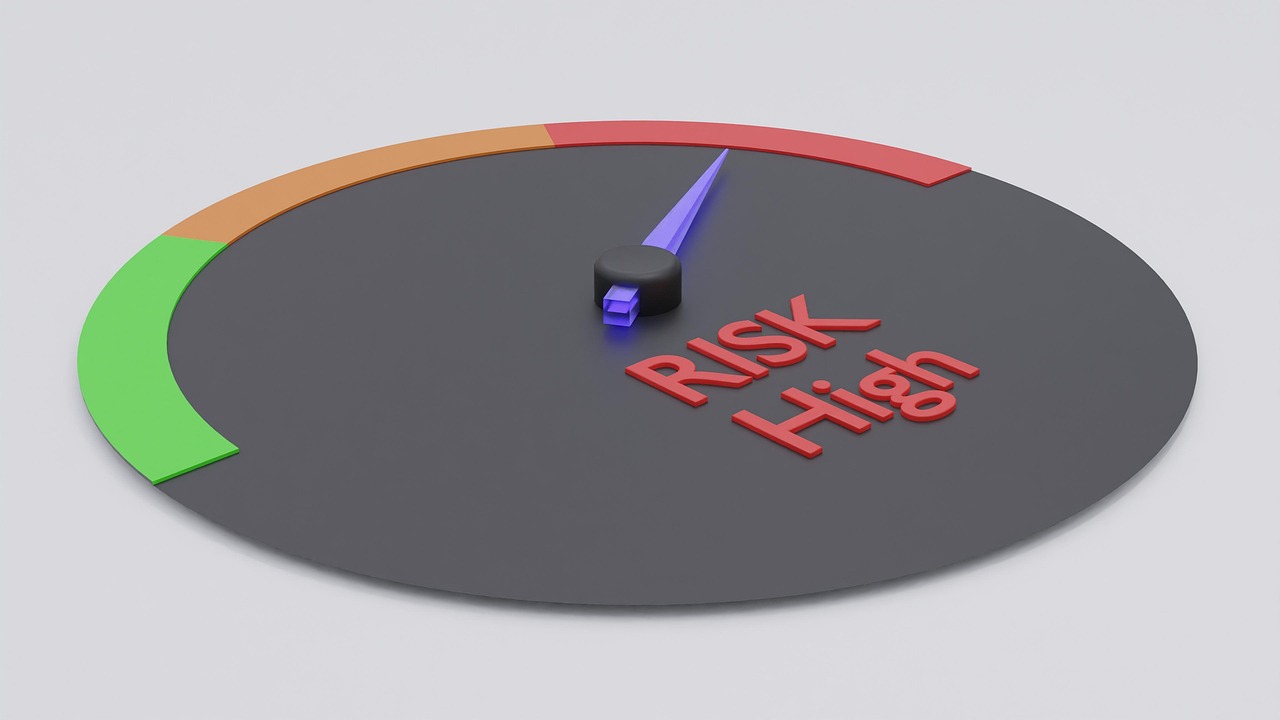

Understanding Redemption Risk in Mutual Funds
Redemption risk is a significant concern for investors in mutual funds. It refers to the risk that investors may face if a mutual fund does not have sufficient liquidity to pay off the investors who wish to redeem their shares. When a large number of investors decide to withdraw their money simultaneously, the fund may struggle to find the necessary cash to fulfill these requests. This situation can lead to potential losses for investors who remain in the fund. Understanding the implications of redemption risk is crucial for investors. Mutual funds invest in various assets like stocks, bonds, and other securities. These investments can be illiquid, meaning they cannot be quickly sold without a significant price drop. In times of market distress, investor panic can exacerbate this problem, leading to a detrimental impact on funds. Therefore, it is essential for investors to assess the liquidity profile of a mutual fund before investing. This can help protect their investments and ensure they are prepared for unexpected market conditions that may trigger large redemptions.
There are several factors influencing redemption risk in mutual funds that every investor should be aware of. Market conditions can greatly impact a fund’s performance, especially during economic downturns. If the market declines, more investors may decide to exit their positions, leading to increased redemption requests. Additionally, the fund’s investment strategy plays a pivotal role. Funds with aggressive strategies may experience higher volatility, attracting a fickle investor base that might withdraw funds at the first signs of trouble. Furthermore, investor behavior can dramatically change based on market news or trends, which can lead to sudden spikes in redemptions. It is also essential to analyze the fund’s historical performance during various market phases. Studying the trends in investor redemptions can provide insights into how the fund has managed liquidity in the past. All these factors combine to create a unique profile of redemption risk for each mutual fund, and a thorough understanding is key to making informed investment decisions.
Assessing Redemption Liquidity
To reduce exposure to redemption risk, investors can take proactive measures. First and foremost, analyzing a mutual fund’s liquidity is vital when investing. A detailed look at the fund’s portfolio can provide insights into how easily assets can be liquidated without affecting their market value. Also, different funds may have varying redemption policies outlined in their prospectuses. Checking the redemption terms upfront can help investors understand any potential limitations or fees associated with early withdrawal. Furthermore, building a diversified investment portfolio can serve as a hedge against redemption risk. By spreading investments across different asset classes and sectors, the impact of poor performance in any one area can be mitigated. Investing in funds with a strong management team that has a proven experience handling redemptions is also advisable. The fund manager’s expertise in maintaining liquidity during turbulent market conditions can significantly influence redemption outcomes. Ultimately, informed choices and continuous monitoring of investment conditions can empower investors to effectively manage redemption risk.
Challenges related to redemption risk are evident, especially during times of sudden market downturns. In such scenarios, mutual funds can face elevated levels of redemption pressure, leading to suboptimal selling of assets. This situation, in turn, can harm remaining investors, who may witness declines in fund value. Managing redemption requests during volatile periods can necessitate selling securities at unfavorable prices, resulting in a cascading effect on the fund’s overall performance. Therefore, understanding the potential for these market shocks is critical for mutual fund investors. Having a grasp on how a fund navigates redemption challenges during these tough times allows investors to better prepare their strategies. Consistently reviewing fund communications, including market outlooks and management commentary, can provide valuable insights into how well the fund is positioned to handle potential outflows. Investors must remain vigilant and responsive to changes in economic conditions, as doing so can fulfill their objectives in the long run. Being proactive about redemption risk can help investors make educated decisions about where and how to allocate their resources.
Investor Education and Strategy
Investor education plays a vital role in mitigating redemption risks associated with mutual funds. Often, new investors lack awareness regarding how mutual funds operate, leading to impulsive decisions during market fluctuations. Increasing financial literacy among investors must be a priority, as informed investors are less likely to panic and redeem their shares under pressure. Understanding fundamental concepts like liquidity versus volatility can aid in making sound investment choices. Moreover, creating a coherent investment strategy that aligns with personal financial goals can stabilize a mutual fund portfolio. Setting appropriate risk tolerance levels and time horizons can attenuate impulsive reactions when faced with market turbulence, providing investors with a greater sense of control. Having a comprehensive plan also encourages investors to stay invested longer, allowing funds to recover from short-term downturns. For example, focusing on long-term objectives rather than reacting to short-term market changes can significantly enhance performance. Engaging with financial advisors or participating in investment workshops can further enhance investor knowledge, preparing them for inevitable market changes and redemption challenges.
In conclusion, understanding redemption risk is paramount for anyone investing in mutual funds. As outlined in previous paragraphs, there are numerous components of redemption risk that investors must consider. Investors who remain uninformed and do not monitor their mutual funds regularly may find themselves at greater risk during volatile market conditions. Sound strategies to manage redemption risks have been presented, highlighting the importance of liquidity assessments, knowledge of fund policies, and industry expertise. When investors equip themselves with necessary tools and information, they position themselves to minimize potential risks. Engaging in ongoing education and remaining actively involved in fund performance allows investors to respond effectively to changing market environments. Moreover, establishing prudent investment strategies that reflect individual goals can mitigate stress associated with emergency redemptions. Hence, thorough understanding and planning can lead to wiser investment decisions. Therefore, prioritizing education and strategic planning while investing in mutual funds can ensure that redemption risks are not only managed but also comprehended fully.
Final Thoughts on Mutual Fund Redemption
To summarize, the risk of redemption in mutual funds cannot be ignored. Investors should remain aware that their decisions can significantly affect the overall fund performance, especially during tumultuous market periods. Having a thorough comprehension of the factors influencing redemption risk helps create better-financed strategies to safeguard their investments. Regularly monitoring their mutual funds, understanding market impacts, and educating themselves about liquidity options are essential steps to counter potential redemption crises. Additionally, engaging with knowledgeable financial professionals can provide further insights and strategic advantages. Investing in mutual funds should not be a passive exercise; it demands continuous engagement and assessment. This proactive approach plays a crucial role in reducing redemption risk while enhancing overall investment outcomes. As mutual fund markets evolve, adapting to changes and understanding underlying risks will remain vital for investors seeking financial success. Ultimately, being equipped with knowledge leads to more confident decisions and enhanced resilience amid inevitable financial market fluctuations.