
The Effect of Closed Credit Accounts on Credit Monitoring Services
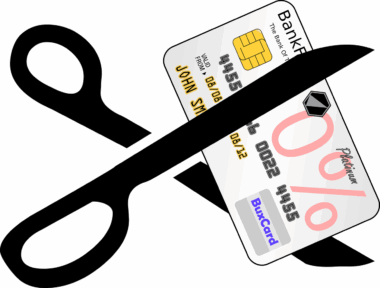
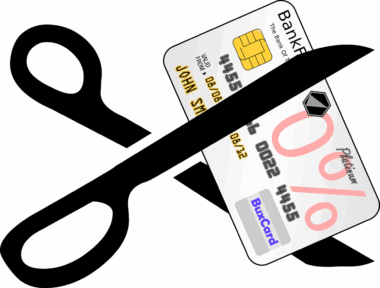
Understanding the impact of closing credit accounts is essential for effective credit management. When individuals close credit accounts, it can substantially influence their overall credit score. Credit utilization, which is the ratio of total credit used to total credit available, may rise if accounts are closed, potentially leading to a decrease in the credit score. Credit monitoring services help track this score, providing users with alerts about significant changes. Users must recognize how these monitoring services interpret account closures. This alteration may trigger warnings in the services used by consumers to monitor their credit health. Additionally, closed accounts might remain on a credit report for up to ten years. This long duration means that if managed correctly, even closed accounts can positively influence credit history by showcasing a record of responsible credit use. Thus, remaining aware of how account closure influences credit reports is vital. Educating oneself on the intricacies of credit scoring can empower users to make informed decisions about their financial profiles and enhance long-term credit management outcomes.
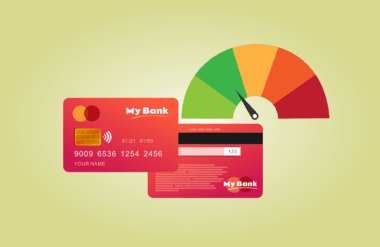
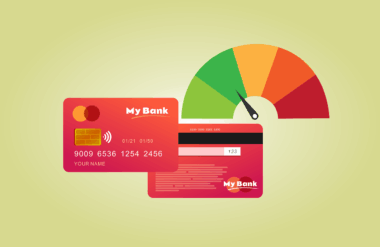
Credit scores reflect financial behaviors and habits. Closing a credit account can impact these scores, with varying consequences. This is particularly significant when the account has a long-standing and positive payment history. When consumers close such accounts, they may inadvertently shorten their credit history, which is a factor in score calculation. A shorter credit history could lead to a decline in credit scores, affecting any future credit applications. Credit monitoring services typically provide tools to view these scores and offer insights into how certain actions impact them. The educational aspect of these services can lead to more informed consumer choices. It is essential to regularly review scores and understand the factors contributing to any changes. Monitoring trends over time, especially after significant decisions like account closures, ensures that consumers are proactive about their financial health. Additionally, these services often offer tips on improving or maintaining a positive credit score. By harnessing the insights provided by these platforms, users can better navigate their financial journey and avoid pitfalls associated with closing credit accounts.
Understanding Account Closures
When an account is closed, the credit utilization ratio can be significantly affected. This ratio represents the amount of credit used compared to available credit limits. For example, if an individual has several credit accounts, closing one may lead to a higher utilization ratio if balances remain unchanged. Credit monitoring services highlight this ratio, making it essential for users to understand its influence. A higher utilization ratio indicates that a consumer is using more of their available credit, potentially leading to a lower credit score. Because credit utilization accounts for about 30% of credit scores, its impact cannot be understated. Closing accounts can also reduce available credit limits, complicating the consumer’s ability to keep utilization rates low. Services providing credit monitoring can alert users to these changes in real-time, allowing them to take corrective actions if necessary. Users are advised to utilize these services not just for alerts, but also for guidance on maintaining healthy credit utilization. This understanding empowers users to manage their credit profiles effectively even after an account closure.
Moreover, closed credit accounts can sometimes lead to confusion regarding credit history. Consumers may believe that closing an account will improve their scores or limit financial risks. However, the opposite may be true as closing accounts could signal a lack of ongoing credit utilization. Creditors often review credit histories comprehensively before extending new credit. For this reason, maintaining closed accounts on the credit report can demonstrate responsible credit behavior over time. Credit monitoring services often explain these dynamics, making it easier for users to interpret their scores. Understanding how closed accounts affect long-term credit profiles can guide thoughtful financial decision-making. Implementing strategies such as keeping older accounts open can often mitigate negative impacts. For individuals pursuing credit enhancements or seeking loans, being aware of these nuances is vital. Being proactive and informed can prevent unintended repercussions following account closures. Monitoring services also provide personalized credit insights tailored to the user’s behavior and profile, ultimately assisting in sustaining healthy credit practices over time. Regular engagement with these services is necessary for optimal credit management.
Long-term Effects of Closed Accounts
Closed credit accounts can influence credit scores in the long term. This depends on various factors, including the account’s history and how it aligns with other credit assets. When accounts are closed, they may still be accessible in reports for future reference even if they are inactive. These accounts can serve as positive indicators of past credit management. The impact of a closed account on credit monitoring services is profound, as most services analyze historical behaviors. Successfully managing credit over time fosters trust with lenders. Monitoring services analyze this data to provide users with tailored advice. Understanding the patterns exhibited in credit reports can assist users in making better decisions about account management. Individuals should carefully consider their actions and understand potential repercussions tied to credit closures when utilizing credit monitoring services. It is necessary to engage regularly with monitoring platforms to stay informed of changes. Being aware helps consumers adjust strategies related to active accounts. Healthy habits, such as maintaining a mixed portfolio of credit types, can create lasting positive effects even after closing certain accounts.
Ultimately, consumers need to recognize the importance of maintaining a robust credit score through comprehensive management practices. Monitoring services can assist users in tracking these metrics and provide actionable insights. Understanding how closed accounts affect overall credit health facilitates informed decisions related to credit lines and utilization. Users should regularly engage with monitoring alerts while being aware of how closing accounts influences overall scores. Implementing strategies like diversifying accounts or securing new lines of credit could mitigate potential negative impacts. Continuous education about credit use patterns and changes in credit scoring models can greatly benefit consumers. Being proactive about understanding these aspects is vital for adapting to the shifting dynamics of credit management. Monitoring services often provide thorough education through resources, webinars, or articles detailing the best practices for credit management. This education is key for effective utilization of credit products. By being engaged and knowledgeable about their credit landscape, users can empower themselves to navigate their financial turmoil. Enhanced awareness around closed accounts, coupled with diligent use of credit monitoring services, holds the key to healthy financial outcomes.
Conclusion and Best Practices
In conclusion, closed credit accounts hold substantial implications for credit scores and overall financial health. Proactive monitoring is essential, with credit monitoring services covering various aspects that can lead to informed decision-making. Engaging with these monitoring tools aids users in tracking the trajectories of their credit scores. Keeping accounts open, when practical, can significantly help balance utilization ratios and support the longevity of credit history. Understanding nuanced credit scoring dynamics allows individuals to make more educated choices regarding account closures. In addition, users should consider the potential impact of closing accounts on their credit profiles and utilize monitoring alerts in these situations. Awareness is vital, as is maintaining positive credit behaviors over time. Monitoring services serve as valuable resources for consumers, facilitating comprehensive tracking and proactive strategies. Commit to regularly engaging with credit reports and educational materials provided by these services. An empowered consumer can forge stronger financial foundations against the changing landscape of credit. Careful management of credit accounts, paired with continuous learning, ensures better credit outcomes now and in the future.
Additionally, understanding the implications of any closed credit accounts should be prioritized by consumers. Closed accounts can still influence the credit score, and an informed approach can lead to better decisions. Committing to ongoing education regarding credit management practices can fortify financial stability. Knowledge of how credit monitoring services operate provides insights into improving credit scores and overall financial health. Learning about account impacts will provide clarity during planning for future financial endeavors, such as home mortgages or loans. Monitoring functionalities reveal essential information about users’ credit trajectories, reinforcing the importance of these services in achieving goals. By being conscientious about account management, consumers can effectively navigate potential pitfalls linked to closed credit accounts. Moreover, recognizing how these accounts appear on credit reports and understanding their lifetime is vital for long-term financial health. It may take diligent effort and keen awareness to cultivate a strong credit profile. However, taking these steps is crucial for achieving financial success. Users of credit monitoring services should remain proactive to leverage insights effectively. Seeking financial advice tailored to individual needs can further amplify these positive outcomes.