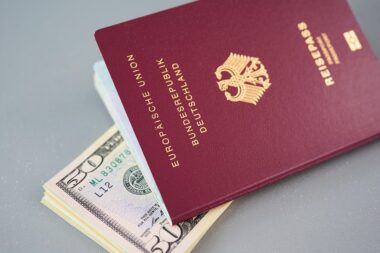

Role of Notaries in International Estate Planning
In the field of international estate planning, the role of notaries is incredibly significant. Notaries public serve as impartial witnesses to legal transactions and documentation. Their primary responsibility is to ensure that the documents are executed correctly according to the law and are ready for use in different jurisdictions. This aspect is crucial, particularly when dealing with cross-border assets and complex legal frameworks. Understanding the legal requirements across multiple countries can be daunting, and having a notary involved simplifies this process. Notaries provide validation that documents, such as wills and trusts, are genuine. Their specialized knowledge helps clients navigate the intricate web of international laws affecting estate planning. Additionally, local notaries can help ensure compliance with the specific requirements of their jurisdiction, contributing to a more streamlined execution of the estate plan. Overall, notaries enhance the legitimacy of documents in international estate planning and offer peace of mind to individuals with assets in various countries. Engaging a notary ensures that all formalities are met to prevent potential legal disputes in the future, thereby protecting the interests of heirs and beneficiaries.
Moreover, the role of notaries extends beyond simple witnessing. They also provide essential advice regarding local laws, tax implications, and requirements for the valid transfer of property in the event of a death. In many jurisdictions, a will needs to meet specific criteria, often requiring notarization. Missing these details can lead to significant delays or complications, which could affect the distribution of the estate. Notaries are knowledgeable about different legal systems and can assist clients in creating wills that are valid in multiple jurisdictions. This expertise is vital for expatriates and individuals with international ties. They act as a bridge, facilitating the coordination between disparate legal systems. Additionally, notaries maintain records of the notarized documents, offering a reliable means of verification when required. This documentation becomes crucial if disputes arise regarding the validity of the will or other estate planning instruments. Furthermore, clients benefit from the impartiality of notaries, whose primary duty lies in ensuring the adherence to legal standards, thus maintaining ethical practices within international estate planning.
Another essential function of notaries in international estate planning is their capacity to draft and authenticate international documents. Whenever dealing with assets across borders, specific documentation is crucial. Notaries help ensure that these documents comply with the varying standards and practices of multiple countries. This function is especially important given the complexities involved in international inheritance laws. Different countries have different rules relating to estate taxes, succession rights, and asset management upon death. Notaries can help in drafting wills that align with the laws of each relevant jurisdiction, achieving a more robust estate plan. They not only help in drafting but also in authenticating these documents, ensuring they hold legal weight across international borders. Clients can be assured that a properly notarized will can withstand scrutiny from different legal systems. In essence, notaries help mitigate risks associated with international estate planning. Their involvement is a crucial step in ensuring that the wishes of the testator are honored despite the complexities surrounding laws governing international estate assets.
Challenges in International Estate Planning
Despite the valuable role that notaries play, there remain challenges in international estate planning. One of the primary issues is the lack of uniformity in laws and regulations pertaining to estate distribution among various countries. Each jurisdiction may have peculiar laws, which can affect how estates are distributed after death. Furthermore, discrepancies in tax laws can complicate matters further, potentially leading to financial burdens for beneficiaries. Notaries are often tasked with educating clients about these variances, helping them to navigate the legal complexities effectively. Moreover, language barriers can present significant obstacles in the international arena, making it even more essential to have a notary who is well-versed in both languages and legal terminology. Additionally, the process can often be time-consuming, involving multiple documents requiring translation and validation in several jurisdictions. This complexity necessitates not only the involvement of notaries but also collaboration with various legal professionals worldwide. The interplay between different legal systems can result in unexpected challenges, requiring comprehensive planning and careful documentation to ensure that the estate planning objectives are achieved efficiently.
Legal compliance is a massive concern when it comes to international estate planning, as different countries have different requirements that must be adhered to. Notaries help make complex situations clearer for individuals who may not be familiar with varying estate laws across borders. This guidance is particularly important for individuals who own properties or hold assets in multiple countries. They can help ensure that the estate plan is not only legally sound but also tax-efficient, minimizing potential liabilities for heirs. Notaries often collaborate with financial planners and tax advisors to build a comprehensive plan that protects the interests of the estate and its beneficiaries. These professionals work together to identify the best strategies for asset distribution while ensuring adherence to local laws. Such teamwork is invaluable for clients with substantial estates and intricate international holdings. Moreover, notaries can provide updates to clients regarding changes in laws that may affect their estate plans, ensuring continuous compliance. In this ever-changing legal environment, maintaining an up-to-date estate plan is essential for safeguarding assets effectively.
The role of notaries cannot be overstated in the realm of estate planning, especially as globalization leads to increasingly complex scenarios. Not only do they assist in the execution of legal documents, but they also contribute significantly to the education and guidance of clients regarding their choices. Through their expertise, notaries enhance the overall effectiveness of estate planning in an international context. Their work ensures that regardless of where an individual’s assets are located, transitions can occur as smoothly as possible. Clients often find comfort in knowing they have an experienced professional managing the specifications of their estate plan. Furthermore, notaries can alert clients to potential pitfalls and advocating for strategies that can facilitate smoother asset transitions upon the client’s death. Their vigilance can considerably reduce common issues faced in international inheritance cases, which might otherwise lead to disputes among heirs. In sum, notaries are indispensable allies in international estate planning, guiding individuals through the intricacies involved. Their services ensure that estate plans remain effective, compliant, and tailored to the unique circumstances of each client.
Conclusively Highlighting Notaries’ Importance
In conclusion, the importance of notaries in international estate planning is foundational. Their role merges legal expertise with practical implementation, ensuring that clients feel secure about their estate plans. Whether through drafting wills, authenticating documents, or navigating the complexities of international law, notaries are key players in facilitating estate planning solutions. They provide clarity where uncertainties exist, allowing individuals to focus on their legacies rather than the logistics of distribution. Hence, individuals with international holdings should prioritize their engagement with a notary to protect their assets and ensure compliance with the laws of multiple countries. This professional support is not only beneficial but essential for effective estate management. The global landscape necessitates a keen understanding of various markets, laws, and practices. Therefore, investing in the expertise of a knowledgeable notary is a strategic decision for anyone looking to engage in international estate planning. Combining their skills with the legal framework ensures that the wishes of individuals are firmly honored, and their legacies crafted appropriately, regardless of geographical boundaries.
In summary, the intricate tasks that notaries undertake in the realm of international estate planning cannot be overlooked. Their involvement not only simplifies complex legal requirements but also enhances the validity and acceptance of estate documents across various jurisdictions. As globalization makes international ties more common, the need for expert notaries in estate planning continues to grow. With their specialized knowledge, notaries provide essential support, helping to ensure that estate plans are not just documents but actionable tools that serve the interests of families and beneficiaries worldwide. This article highlights their crucial responsibilities and outlines the necessity of engaging qualified notaries as part of one’s estate planning strategy. Individuals seeking to preserve their wealth and ensure its proper distribution should regard notaries as essential partners. By collaborating with these professionals, clients can navigate the intricacies of cross-border estate laws and ensure that their legacies endure. The expertise and impartiality offered by notaries play an integral role in achieving successful international estate planning outcomes, providing significant peace of mind to clients who wish to safeguard their and their family’s futures.