
How to Prepare Your Business Credit Score for a Loan Application
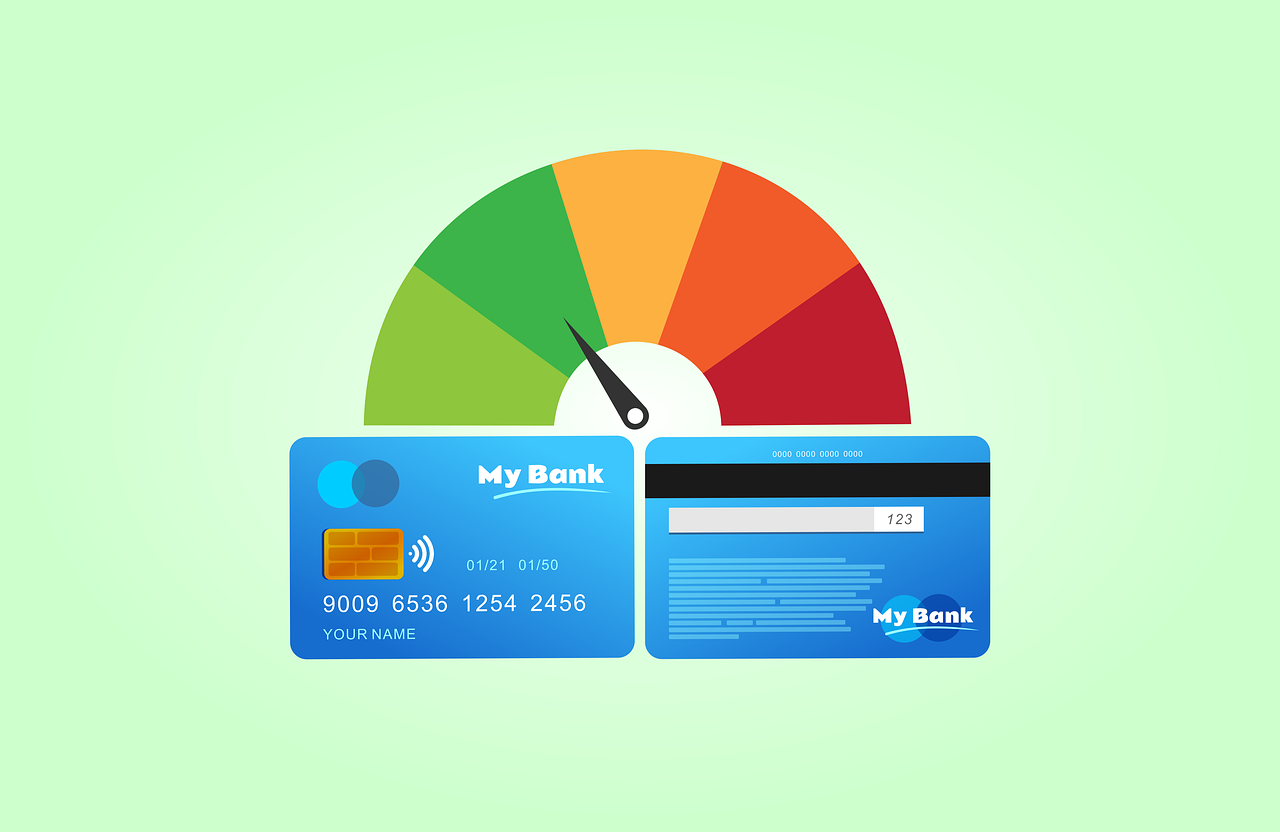
Preparing your business credit score for a loan application is crucial for gaining favorable terms and interest rates. Generally, lenders will assess your creditworthiness based on several factors. The first step is to obtain your business credit report from agencies like Dun & Bradstreet or Experian. Scrutinize this report for any errors or discrepancies that could impact your score negatively. If you identify mistakes, dispute them immediately for correction. Additionally, make sure all your accounts, both personal and business, are up-to-date and paid on time. Timely payments significantly contribute to a healthy business credit score. Keep your credit utilization ratio low; ideally, it should be below 30%. This shows lenders that you manage credit responsibly. It’s also advantageous to build a diverse credit profile—consider take the time to establish various lines of credit, including business credit cards and short-term loans. Many lenders prefer seeing a mixture, which demonstrates your ability to manage different types of credit responsibly. Lastly, maintaining a long credit history will strengthen your score and can make you more attractive to lenders.
Another important factor to consider is your business’s legal structure. Corporations and LLCs usually carry a better credit score compared to sole proprietorships, as they separate personal and business credit. If you haven’t already, consider forming an LLC or corporation to elevate your credit profile. This distinction not only protects your personal assets but also allows your business to establish its creditworthiness independently. Furthermore, regularly monitor your business credit score through online platforms. Many services offer free access; by keeping an eye on it, you can take proactive measures if anything looks amiss. Pay attention to the ratio of credit available to what you’re using — known as the credit utilization rate. Lower utilization rates generally correlate with higher credit scores. Additionally, networking with suppliers and asking for credit terms can greatly enhance your credit history. Be sure to inquire whether vendors report payment histories to credit agencies. This simple step can provide a boost to your score. Establishing solid vendor relationships will also increase your chances of receiving favorable financing options in the future.
Time for Debt Management
Effective debt management is essential for preparing your business credit score. If your business carries significant debt, focus on paying down outstanding balances. High levels of debt can be a red flag to lenders, which may hinder your chances of securing a loan. Prioritize any high-interest debts, as reducing these balances will not only free up cash flow but will also positively impact your credit score. Additionally, avoid applying for new credit excessively, as each application can result in a hard inquiry, temporarily lowering your score. Instead, focus on your current credit lines. If you are considering new credit, only do so when necessary. When applying for loans, prepare a comprehensive business plan to present to lenders. This should outline how you plan to use the loan and exhibit your projected cash flow. Demonstrating a solid plan will increase lender confidence in your ability to repay the loan. Continuous communication with your creditors can also prove beneficial; discussing your repayment plans and negotiating more favorable terms will better align your payments with income.
Next, understanding the various types of business credit scores is crucial. Unlike personal credit scores, which are more commonly known, business credit scores can vary between different credit reporting agencies. Each agency has distinct scoring models and criteria. For instance, sources like the FICO Small Business Scoring Service and Experian provide their scoring insights. Familiarize yourself with how your scores are calculated, detailing the aspects that contribute the most weight. Typically, factors such as payment history, credit utilization, and the number of open accounts are vital components. Further, each reporting agency has a different scoring range; know what constitutes a good score for each one. Regularly check these scores so you are not blindsided when you apply for loans. Keeping your credit profile updated is paramount. Provide current, accurate business and financial information to the reporting agencies. Keeping your profile in good standing will generally translate to better offers and terms from potential lenders when the time comes to finance your business growth.
Building Relationships with Financial Institutions
Building strong relationships with financial institutions can also enhance your business credit score. Banks and credit unions typically prefer lending to businesses they recognize. Regularly keeping your accounts with a particular bank can lead to better terms on future loans. Attend local business events and networking opportunities to meet lenders and build trust. Engage with bank representatives to inquire about their lending practices and what they favor in borrower applications. This rapport can be beneficial when you request loans later; having already established a connection can lead to better results. Another excellent way to strengthen your profile is engaging with your bank or credit union to ensure they report your payment history to credit agencies. This engagement allows them to witness your positive credit behavior, further contributing to score improvements. Furthermore, seeking mentorship from business owners who have successfully navigated loan applications can provide invaluable insights into preparing your business credit. Learn from their experiences and understand what made them successful with creditors.
Finally, documentation plays a vital role in the loan application process. Ensuring that you have all necessary documents readily available will facilitate a smoother process. Commonly required documents include your business financial statements, tax returns, and a list of current debts. Also, lenders may ask for documentation about your business plan and how you intend to use the funds. Prepare a structured, detailed plan that outlines your business model, target market, cash flow projections, and marketing strategies. The clearer your documentation, the more confident lenders will feel about your potential to repay the loan. By proactively preparing your documentation, you can minimize delays in the application process and enhance your credibility. Engage in regular reviews of your paperwork, ensuring that all figures are up-to-date and accurate. Keep digital copies as well as physical backups accessible so you can present them promptly when requested. The more organized you are, the higher the likelihood of receiving a favorable lending decision.
Conclusion and Next Steps
In summary, preparing your business credit score for a loan application requires diligence and a strategic approach. Start by understanding your credit report and addressing any errors promptly. Manage your debt wisely, focusing on timely payments and a healthy credit utilization ratio. Explore the establishment of diverse credit lines and build solid relationships with financial institutions. Equally important is understanding the various scoring models and consistently updating your business credit profile. Document what you need and present it accurately and confidently to potential lenders. Finally, learn from others who have succeeded in similar situations and use their experiences as a guide. Follow these steps diligently, and you will increase your chances of not only securing a loan but also obtaining favorable terms. Remember to check your business credit regularly for any changes and adjust your strategies accordingly. Maintaining a strong credit profile will pay off dividends in the long run, allowing for both business growth and sustainability.
Lastly, set up a calendar for ongoing credit monitoring and reviews. Regular check-ins on your score will help you stay informed and proactive in your credit management. Utilize online tools and services that provide alerts on score changes and offer personalized recommendations. Keep in mind that your business is dynamic, so be prepared to adapt to new circumstances or financial needs. A solid business credit score is not just important for loans; it can also influence supplier terms and overall business relationships. Ultimately, preparation and vigilance are key in ensuring your business is loan-ready while minimizing obstacles. Your financial health is a continuous journey, and adopting these practices can empower your business towards success.