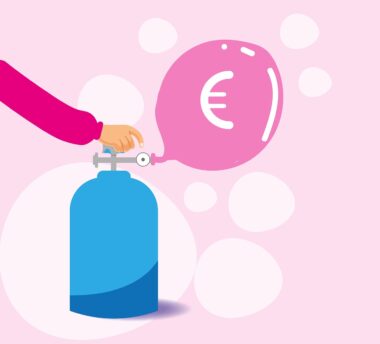

How to Adjust Your Budget When Inflation Rises
The impact of inflation can feel overwhelming, but adjusting your budget accordingly is essential for maintaining financial stability. Understanding inflation is crucial, as it erodes purchasing power, making it more expensive to buy everyday items. To counteract these effects, individuals must reassess their financial strategies to better cope with rising prices. Start by assessing your current expenses and identifying non-essential spending that can be cut. Look into your fixed expenses, such as housing, utilities, and insurance premiums, and see if they can be lowered. By eliminating or reducing these unnecessary costs, you can free up resources for necessities. Additionally, consider your income sources; if possible, explore opportunities for increasing your earnings through part-time work or freelancing. Importance can also be placed on adjusting savings goals, ensuring that even with rising costs, you still contribute towards future financial security. As inflation rises, it’s about being proactive and not reactive to maintain your purchasing power. Stay informed about market trends, and engage with financial resources to bolster your understanding, ensuring you’re equipped to make informed decisions under economic pressure.
Another significant part of combating inflation is altering your spending habits to reflect the current economic climate. Evaluate how much you can realistically spend without compromising your financial well-being. This might mean opting for more budget-friendly shopping options, like discount grocery stores, or purchasing generic brands that provide better value than name brands. Planning meals and sticking to a grocery list can also help curb impulse buys that drive costs up. To further optimize your budget when facing inflation, consider utilizing financial apps that track and manage spending efficiently. These tools can provide a clearer picture of financial habits, revealing where adjustments can be made effectively. Additionally, prioritize essential needs over wants, as this practice helps ensure that you are always meeting your most critical financial obligations first. Remember that monitoring your financial health regularly can give insight into necessary adjustments if income fluctuates or expenses increase. Stay vigilant about subscription services that may add to your financial burden. Documenting your spending accurately can provide foundational insight to make informed adjustments and help your finances remain robust during periods of economic uncertainty.
Revising Your Financial Goals
As inflation continues to rise, it is vital to revisit personal financial goals, ensuring they stay relevant and achievable. High inflation can impact everything from retirement contributions to emergency funds. Consider re-evaluating your savings targets to account for increased living costs and any changes to your financial situation. Adjusting your savings strategy might mean cutting back on discretionary spending, making sure funds are allocated wisely where they’re needed most. If you’re saving for a particular purchase or event, recalibrate the timeline to reflect the current economic landscape. Extend the savings period if necessary, allowing more time to reach those goals without putting yourself in financial distress. Furthermore, attending financial planning seminars or workshops can offer valuable insights into maintaining fiscal health amidst inflation. Engaging with professionals one-on-one may also unveil new strategies tailored specifically to your situation. Always remember that your financial plan should adapt alongside life changes and economic shifts; flexibility remains an essential component of long-term success. By making these adjustments proactively, you can mitigate the adverse effects of inflation on your financial goals while still pursuing meaningful objectives.
Another key aspect of budget management during inflationary periods is to increase your financial literacy. The more informed you are about economic changes, the better equipped you’ll be to make sound decisions regarding your finances. Consider dedicating time to reading books or articles on personal finance and understanding interest rates, inflation, and investment principles. Various online courses are available that cover fundamental financial concepts, providing a deeper understanding of how to navigate inflation challenges. In addition, subscribing to financial newsletters or podcasts can deliver timely information that helps you remain engaged with market developments. Connecting with a community of like-minded individuals focused on financial wellness can also offer support and ideas on adjusting budgets. Networking opportunities can open doors to informative discussions about how others manage their finances in the current climate. Social media platforms and online forums provide spaces to share insights with others who may face similar challenges. Remember that financial education is a continuous process, and the more proactive you are in expanding your knowledge, the better positioned you will be to successfully adjust your financial strategies as needed.
Emotional and Mental Well-Being During Inflation
Adjusting your budget during inflation can be stressful, leading to anxiety and frustration regarding financial stability. It is essential to recognize how emotional and mental well-being ties into managing finances effectively. Engaging in stress-reducing activities can enhance your financial decision-making skills. Regular exercise, mindfulness practices, and spending quality time with loved ones can foster a positive mindset when faced with challenges. Financial stress can be overwhelming, so acknowledge your feelings and lean on your support system when needed. Communicating your concerns with trusted family members or financial advisors can offer reassurance and fresh perspectives. It’s also beneficial to set realistic expectations of your financial priorities. Focus on progress, not perfection; recognize that adjusting to inflation takes time and patience. By cultivating resilience, you can develop coping strategies that keep you grounded during times of uncertainty. Seeking professional help from a financial therapist or advisor may also provide valuable insights, alleviating some burdens associated with financial stress. Remember that managing your emotional health is paramount, impacting your financial decisions and overall quality of life, especially in inflationary climates.
To round out your financial strategy during inflation, consider diversifying your investments. Holding assets across various classes can shield against inflation’s negative effects and provide better returns. This might include investing in real estate, stocks, bonds, or alternative assets like commodities. Each asset type reacts differently to inflation, improving overall stability during volatile periods. Consult reputable financial institutions or advisors to explore effective ways to diversify without excessive risk. Growing your investment portfolio not only preserves purchasing power but also creates opportunities for wealth accumulation. Regularly review your investment choices to ensure they align with your goals, adjusting as economic conditions change. It’s also crucial to stay updated about inflation forecasts, as these can influence investment decisions significantly. Engaging in thorough research or utilizing financial analytics platforms can inform your asset choices effectively. Regular contributions to retirement accounts ensure that your savings keep pace with the rising costs of living. Most importantly, remain disciplined in your investments and avoid making impulsive moves based solely on fleeting economic news. Taking a long-term perspective on your financial health can offer clarity and confidence amidst the uncertainties created by inflation.
Conclusion: Staying Ahead of Inflation
In conclusion, adjusting your budget amidst rising inflation is both challenging and necessary for financial resilience. The key lies in proactive planning and mindful considerations around your financial habits. Evaluating and revising your budget regularly will allow you to identify areas where adjustments are possible without sacrificing essentials. Cultivating a strong understanding of financial literacy opens the door for informed decisions about spending, savings, and investment strategies tailored to your unique situation. Additionally, working on emotional well-being provides additional strength to face financial challenges with a balanced approach. Remember to leverage technology even further through finance management apps and financial news sources for consistent insights. Networking with financial communities aids central engagement around shared insights, which can foster clever strategies for optimized budgeting during inflation. Lastly, remain adaptable and flexible, understanding that movement in the market necessitates frequent reassessment of goals and methods. By fostering financial resilience, you ensure you remain equipped to face inflation with confidence, preserving your purchasing power and maintaining your standard of living over time, ultimately achieving greater financial well-being in an unpredictable economy.
As you navigate increasing inflation, continually reassess your circumstances to ensure your budget evolves with your needs. Building financial resilience isn’t just about reacting to current trends; it involves forward-thinking and strategic planning. Guarding against inflation is an ongoing journey, one rooted deeply in your commitment to understanding and refining your personal finances. Stay focused on your goals and celebrate progress while you adapt your financial strategy. Staying informed and engaging with financial education sources ensures you’re well-prepared to confront fluctuating costs and make strategic decisions whenever necessary. Committing to this proactive mindset empowers you to drive your financial future in a constantly changing landscape.