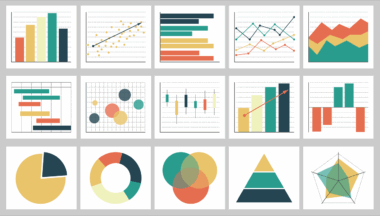

Using Visual Analytics to Enhance Business Reporting
In today’s data-driven world, businesses need to leverage sophisticated tools to interpret the plethora of information at their disposal. Visual analytics are crucial to transforming complex datasets into understandable formats. In this context, dashboards and reporting tools are invaluable. They present data in a visually appealing and easily digestible manner. Companies can enhance their reporting techniques using visual analytics, contributing to well-informed decision-making processes. Initially, organizations may rely on traditional spreadsheets. However, the growing complexity of information makes visual representations a potent alternative. Interactive dashboards allow stakeholders to explore data actively rather than passively receiving reports. The benefits of visual analytics include reducing the time to analyze data significantly and enabling quicker insights to be drawn. Furthermore, they can highlight trends and pinpoint areas that require attention, ensuring that the focus is directed towards critical metrics. Additionally, storytelling through data visualization proves to be impactful. Not only do stakeholders simply review reports, but they also engage with the insights that arise, fostering a culture of data-driven decision-making across organizations. Incorporating these tools enhances not only efficiency but strategic foresight in businesses.
To fully harness the power of visual analytics in business reporting, it is essential to understand the core components involved. Dashboards serve as an interface where key performance indicators are displayed, allowing users to grasp vital insights at a glance. These dashboards typically feature graphs, charts, and tables that summarize data effectively. Customization plays a crucial role in ensuring dashboards meet the specific needs of each user. Different departments, such as finance or marketing, will require tailored views that emphasize their respective metrics. Furthermore, using color coding and intuitive designs enhances the engagement level of the dashboard. Key considerations for creating effective dashboards should include clarity, interactivity, and accessibility. For example, drag-and-drop functionality allows users to manipulate data visualizations easily. Additionally, incorporating predictive analytics enables businesses to forecast trends based on historical data, making them proactive rather than reactive. Training staff on utilizing these tools effectively can amplify their impact further. This initiative ultimately aids teams in drawing conclusions swiftly, bolstering efficiency and fostering a data-centric culture within the organization. With the integration of visual analytics, businesses can strategically drive their performance towards greater achievements.
The Role of Real-Time Data in Business Analytics
Real-time data integration plays a significant role in maximizing the effectiveness of visual analytics applications. Users can gain immediate insights, making timely decisions that influence their business outcomes positively. The capability to visualize real-time data helps in tracking performance and responding promptly to emerging trends or challenges. For instance, sales teams can utilize dashboards displaying live sales figures, quickly adjusting strategies as necessary. Additionally, marketing teams can analyze the effectiveness of campaigns by monitoring metrics in real-time. By employing visual analytics with real-time data, organizations can improve collaboration among different departments. The ability to share insights instantly fosters a more dynamic environment, where decisions are made with the most current data at hand. Organizations can set up alerts for specific metrics that flag when thresholds are crossed, allowing for immediate action when necessary. Furthermore, enhancing predictive capabilities through real-time analytics ensures that businesses remain agile and competitive. As competition increases steadily, investing in real-time data solutions and effective dashboards becomes imperative. Overall, integrating real-time data with visual analytics tools equips organizations to navigate the complexities of the modern business landscape effectively.
The integration of visual analytics in business reporting also encourages better stakeholder engagement. Visuals allow complex data to be presented more accessibly, making it feasible for non-technical users to interpret analytics effectively. Consequently, executives can focus on actionable insights rather than getting lost in the intricacies of data. Presentations based on visual dashboards can facilitate smoother discussions during meetings. They enable stakeholders to ask informed questions and participate in strategic conversations comprehensively. Moreover, organizations can customize reports dynamically based on audience needs. For instance, summarizing key findings visually during client presentations leaves a lasting impression on stakeholders. Keeping data straightforward and transparent fosters collaboration and trust. Enhancing data literacy across teams ensures that business personnel can engage with a range of metrics confidently. The simplicity of visual analytics empowers teams to delve into deeper discussions, strategizing around actionable insights derived from the data presented. Additionally, consistent use of visual tools reinforces a culture of objective decision-making throughout the organization, replacing gut instincts with data-backed strategies. In a fast-paced environment, utilizing visual analytics fosters informed discussions and agile decision-making, ultimately propelling the business forward.
Best Practices for Creating Effective Dashboards
When creating dashboards for visual analytics, adherence to best practices is vital for maximizing usability and effectiveness. Firstly, the objective should drive the design process. Understanding who the end-users are and the specific metrics they require will inform the overall layout. Avoid clutter by including only relevant data points that align with the dashboard’s primary purpose. Maintaining a clean interface allows users to navigate information swiftly. Use intuitive navigation tools to make transitioning between data visualizations seamless. Furthermore, ensure that charts and graphs are clearly labeled, fostering straightforward interpretations. Effective use of color also plays a significant role in emphasizing trends and drawing attention to crucial areas. Providing context within visualizations, such as benchmarks or historical data comparisons, gives further insight into the metrics being represented. Additionally, user feedback during the dashboard design process can be invaluable, ensuring that the end product is tailored to meet user expectations efficiently. Continuously updating the dashboard reflects new data, enhancing its relevance over time. By following these best practices, businesses can create dashboards that empower users, facilitating informed decision-making and driving organizational success.
Training personnel in using visual analytics tools is critical for maximizing their impact across the organization. The implementation of these tools often requires a shift in mindset. Therefore, comprehensive training sessions can help employees understand the full capabilities of dashboards and reporting tools. Effective training should address both technical skills and analytical thinking. Staff should become proficient in interpreting visualizations, questioning results, and drawing actionable insights. Workshops, online courses, and hands-on sessions can cater to different learning styles. Regularly encouraging the exploration of various data visualizations fosters a greater understanding of the information available. Furthermore, establishing a community or forum within the organization can facilitate ongoing learning. Employees can share best usage practices, enabling collective knowledge. Engaged staff are more likely to embrace data-driven methodologies, allowing organizations to extract maximum benefits from visual analytics. Additionally, creating a culture that values continuous improvement encourages feedback on the dashboard’s efficiency. This feedback loop supports further enhancements in data reporting methods over time. Ultimately, effective training empowers employees to harness the power of visual analytics, enabling data-driven decision-making throughout the entire organization.
The Future of Visual Analytics in Business
Looking ahead, the future of visual analytics in business reporting appears promising and transformative. As technology continues to evolve, the sophistication of dashboards and visual tools will increase exponentially. Enhanced machine learning algorithms and artificial intelligence are expected to play pivotal roles in further refining data analyses and visualization methods. Predictive analytics will become increasingly prevalent, harnessing vast amounts of data to forecast trends accurately. Additionally, user interfaces will likely shift towards more user-friendly designs, ensuring that everyone can benefit from analytics, regardless of technical background. As organizations prioritize data-driven approaches, there will be a rising demand for innovative visual analytics solutions to harness insights effectively. Moreover, industries might witness advances in augmented reality (AR) and virtual reality (VR) technologies, providing immersive ways to analyze data. These innovations will enable users to interact with their data in ways never before possible. Businesses will increasingly incorporate visualizations into their strategies, driving customer engagement and satisfaction. Embracing these trends will be vital for organizations aiming to remain competitive in an ever-changing marketplace. By investing in emerging technologies, companies can leverage visual analytics as a cornerstone of their reporting and decision-making processes.
In conclusion, the journey towards utilizing visual analytics to enhance business reporting is essential for organizations striving to thrive in a data-centric world. The seamless integration of visual tools in reporting processes enables businesses to make informed decisions swiftly. As dashboards become more intuitive and tailored to users’ needs, proactive data management and interpretation will be at the forefront of decision-making strategies. Furthermore, the implementation of best practices in dashboard creation and ongoing employee training ensures that all team members can engage effectively with data visualizations. Organizations will also benefit from the advantages of real-time data, allowing them to respond agilely to changes within their environments. Leveraging emerging technologies will also reshape how visual analytics are utilized, integrating innovative features that consistently enhance business reporting. This transformation highlights the importance of adapting to the latest advancements in analytics and embracing data-driven Cultures. As firms continue to explore the capabilities of visual analytics, the future remains bright, with endless opportunities for enhanced growth and sustained success. Harnessing the full potential of these tools will be vital in navigating the complexities of modern business landscapes.