
Key Indicators for Momentum Trading
Momentum trading strategies can be quite effective when the right indicators are used. Traders focus on stocks that demonstrate upward trends and significant price movements. There are several key indicators that can help identify these opportunities. First, the Relative Strength Index (RSI) measures the speed and change of price movements. An RSI below 30 indicates that a stock may be oversold, and above 70 suggests it may be overbought. Second, the Moving Average Convergence Divergence (MACD) is another popular indicator that shows the relationship between two moving averages of a stock’s price. A bullish crossover occurs when the MACD line crosses above the signal line, suggesting an upward momentum. Additionally, the Average True Range (ATR) can be used to determine market volatility, enabling traders to gauge potential price move strength. Finally, volume analysis plays a crucial role, as increasing volume on a price increase confirms strong investor interest. These indicators collectively offer a comprehensive toolkit for traders looking to profit from momentum opportunities.
Momentum Trading Strategies
Different momentum trading strategies can help traders leverage various market trends effectively. One common strategy is “buying the breakout,” where traders look for stocks that break above significant resistance levels with high-volume trading. This usually indicates strong bullish sentiment. Another popular strategy is “riding the trend,” where traders hold onto profitable stocks as long as the momentum persists. Following indicators like the 50-day moving average can aid in determining when to enter and exit trades, as well as minimizing risks. Another strategy involves pairs trading, where traders simultaneously buy a strong-performing stock and sell a weaker one. This strategy capitalizes on relative momentum within specific industry sectors. Traders must also be aware of how economic news and market announcements can affect stock movement trends. Utilizing tools such as stop-loss orders helps minimize losses as prices fluctuate. Asset allocation also plays a role. Diversifying momentum positions across various sectors can significantly reduce risk while enhancing potential returns. By applying these strategies consistently, traders can improve their chances of capitalizing on market trends.
Risk management is a critical aspect of momentum trading that every trader should consider. Identifying the right amount of capital to allocate for each trade can help mitigate losses. A widely adopted practice is the ‘2% rule,’ which suggests that traders should risk no more than 2% of their total trading capital on a single trade. This keeps potential losses manageable, helps maintain a long-term perspective, and avoids significant losses that may jeopardize future trades. Additionally, using stop-loss orders is crucial; these predefined exit points allow traders to limit potential losses in case the momentum shifts unexpectedly. Traders should also evaluate their performance regularly, as self-assessment can reveal strengths and weaknesses in their trading systems. Psychological factors, such as fear and greed, can hinder effective risk management, so maintaining discipline and executing predetermined trading plans is essential. Ultimately, developing a robust risk management plan tailored to individual trading styles strengthens resilience against adverse market conditions. Effective risk management creates a foundation for sustainable trading success over the long term.
Understanding Market Sentiment
Market sentiment is a significant factor in understanding momentum trading. Traders’ collective attitudes and emotions based on various factors can greatly influence stock prices. Sentiment often drives significant price movements and can potentially lead to unexpected spikes in stock activity. Various tools can help gauge market sentiment, such as sentiment analysis based on social media, news, and various online forums. For example, utilizing tools that analyze Twitter sentiment about a particular stock can provide insights into public perception. Furthermore, the VIX index, which measures market volatility, serves as a sentiment gauge as well; rising vix levels indicate increasing fear or uncertainty in the market. Market events such as earnings announcements or economic reports heavily impact sentiment, resulting in sharp momentum shifts. Additionally, traders should remain aware of institutional activity, as large players often set the tone for investor sentiment. Gathering sentiment data can significantly enhance traders’ ability to anticipate price movements. Understanding sentiment dynamics can contribute to identifying potential momentum trading opportunities that otherwise might seem overlooked.
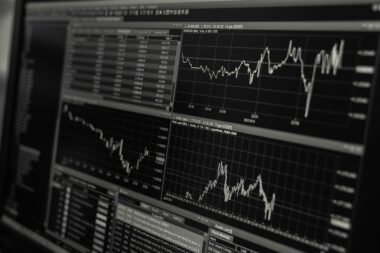
Another important aspect to consider in momentum trading is technical analysis, which utilizes historical price and volume data to forecast future price movements. A primary tool in technical analysis is charting, which allows traders to visualize price patterns and trends over different time frames. Common chart patterns include flags, pennants, and head-and-shoulders formations, which can provide valuable insights into potential continuation or reversal signals. Additionally, trendlines are significant as they visually represent the overall direction of a stock’s price, which can help traders identify entry and exit points. Combining these visual tools with the aforementioned indicators enables a comprehensive approach to identifying momentum opportunities. Traders may also use Fibonacci retracement levels to gauge potential support and resistance areas, which aids in making informed trading decisions. Backtesting strategies on historical data further validate the effectiveness of specific indicators. Overall, integrating technical analysis with other tools can significantly enhance a trader’s ability to capitalize on momentum opportunities present in the market.
The Role of News and Events
Staying informed about global news and events is crucial for momentum traders, as these often catalyze significant market movements. Geopolitical developments, economic changes, corporate announcements, and earnings reports can lead to rapid price changes. For instance, a positive earnings report may drive a stock’s price up, reflecting confirmed strong performance, which paves the way for upward momentum. Alternatively, a negative news event can similarly create momentum downward as investors react swiftly to new information. Therefore, keeping an economic calendar is essential for tracking major scheduled releases that might impact momentum trading. Many traders incorporate tools that notify them of breaking news or significant events in real-time. Considering news sentiment analysis can also be beneficial, allowing traders to gauge the market pulse. It is paramount for momentum traders to remain vigilant regarding the various news sources, as accurately interpreting information is key to making trading decisions. Ultimately, integrating news awareness into a comprehensive trading strategy can lead to better decision-making and success in capturing momentum opportunities.
Monitoring macroeconomic indicators can significantly enhance a momentum trader’s ability to spot opportunities. Key data points such as employment rates, GDP growth, and inflation levels provide insights into the broader economic landscape, influencing investor sentiment and market movements. For example, a robust job report may strengthen confidence in the economy, prompting bullish activity across numerous sectors. Analyzing central bank policies and interest rates is also essential; changes in monetary policy can have wide-ranging effects on market dynamics and momentum trading. Furthermore, sector performance relative to broader market trends offers valuable insights. Certain sectors may outperform or underperform based on economic conditions. By analyzing sector sentiment and capital flows, traders can identify which segments are gaining momentum, thereby optimizing their entry points. Economic cycles play a significant role in determining trading strategies, as cyclical stocks often correlate with broader economic conditions. Being aware of these factors can provide traders with a competitive edge when identifying opportunities in the dynamic environment of momentum trading. Ultimately, macroeconomic analysis shapes a trader’s strategic approach to capitalizing on emerging trends.
Tracking advancements in technology can also play a pivotal role in identifying momentum trading opportunities. Today’s traders have access to sophisticated data analytics and artificial intelligence tools that analyze vast amounts of market data. These tools can spot trends faster than any individual trader can detect, providing immense advantages. High-frequency trading algorithms, for instance, can execute trades in milliseconds, capturing tiny price movements. Utilizing machine learning models can help traders optimize their strategies by identifying and adapting to new patterns. Additionally, financial news aggregation platforms provide real-time data, enabling traders to make informed decisions quickly. Incorporating predictive analytics allows traders to foresee potential price movements based on historical trends, enhancing their chances for success in momentum trading. Moreover, social trading platforms enable traders to follow and replicate the strategies of successful traders. Overall, leveraging technology in momentum trading not only streamlines processes but also enhances the ability to capture more diverse trading opportunities. Embracing innovation is essential for traders looking to excel in today’s fast-paced and constantly evolving market landscape.