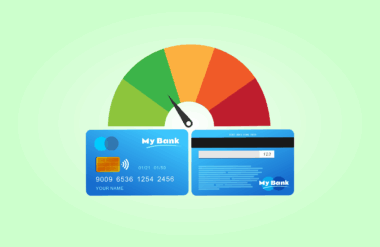

Credit Counseling Services Overview
Credit counseling services serve as valuable resources for individuals seeking assistance with managing their finances. These organizations are typically non-profit and aim to help clients understand their credit reports and scores and improve their overall financial health. By offering assessments of individual situations, credit counselors can identify debts and suggest strategies for debt management and credit improvement. Typically, these services include one-on-one counseling sessions where professionals provide personalized advice tailored to specific financial circumstances. The initial session often involves a thorough review of income, expenses, and debt levels. Counselors also help clients establish budgets that enable them to prioritize paying off debts while maintaining essential living expenses. Furthermore, credit counseling can include educational workshops designed to inform clients about responsible credit usage, budgeting, and saving. Building financial literacy empowers clients to make informed decisions, fostering long-term financial stability. On top of that, many credit counseling services may offer ongoing support to clients, ensuring continuous guidance as they work toward their financial goals. In the end, these services can instill a sense of hope and direction for individuals struggling to maintain financial control.
The Benefits of Credit Counseling
Engaging with credit counseling services presents numerous benefits for individuals facing financial challenges. First and foremost, clients gain access to professional guidance from experienced counselors who understand the complexities of credit systems and financial management. This expertise can help demystify credit reports, ensuring clients understand their scores and how different factors influence them. Results can include achieving higher credit scores over time as the clients learn how to manage their debts effectively. Additionally, credit counseling can provide clients with actionable strategies for paying down debts, which might include enrolling in a debt management plan. In such plans, clients work with the counseling agency to reduce monthly payments and negotiate lower interest rates with creditors. Moreover, since many credit counseling organizations charge nominal fees, clients typically find these resources affordable, with a range of payment options. Furthermore, participating in credit counseling instills a sense of accountability and discipline among clients. The ongoing support and regular check-ins help foster good financial habits, ultimately leading to better credit utilization and the ability to manage expenses responsibly.
Additionally, credit counseling services play a crucial role in educating clients about the importance of credit scores. Understanding credit scores can greatly impact borrowing capabilities and financial opportunities. Credit counselors explain the various components that contribute to a credit score, such as payment history, credit utilization, length of credit history, new credit accounts, and types of credit in use. Clients often learn about the significance of making timely payments to maintain a positive credit history. Furthermore, credit counselors help clients see the importance of keeping balances low on credit cards to improve their credit utilization ratio. Educational workshops and informative resources also enhance financial literacy, offering deeper insights and practical examples of responsible credit management. As clients become more knowledgeable, they can transition from mere consumers of credit to informed decision-makers. Additionally, the tools provided by credit counseling, such as budgeting templates and financial planning apps, help reinforce positive behaviors. Ultimately, education empowers clients to take control of their finances and make informed choices, leading to better credit management and financial independence in the long term.
Moreover, embracing credit counseling services greatly aids in overcoming the psychological stress often associated with financial struggles. Many individuals face anxiety, shame, or embarrassment concerning their credit issues. Credit counseling provides a non-judgmental setting where clients can openly discuss their concerns and fears. This supportive environment fosters a sense of community, promoting the understanding that many people experience similar challenges. Furthermore, the personalized approach of credit counseling allows clients to feel valued and recognized, rather than just another number in the system. As clients work through their issues, they begin to build confidence in their ability to improve their financial situations. This newfound determination can lead to proactive steps towards financial wellness, such as implementing budgets and setting savings goals. Additionally, the connection formed with credit counselors often leads to a lasting relationship, where ongoing support and motivation remain available throughout the financial journey. Through the combination of education and emotional support, individuals can move past feelings of helplessness, resulting in enhanced self-esteem and a greater ability to tackle debt and improve credit scores.
An essential aspect of credit counseling is the development of tailored financial plans that cater to individual needs. These plans outline clear steps that clients should take to achieve their financial goals, from managing debts to establishing savings. Each plan is customized based on personal circumstances, allowing clients to set realistic targets and timelines for repaying their debts. Counselors work closely with clients to determine preferable payment options while considering their living expenses and financial obligations. This ensures that plans are manageable and sustainable overall. These personalized approaches often lead to higher success rates among clients. Moreover, as clients progress through their plans, they witness tangible improvements in their financial situations, which can be incredibly motivating. Regular check-ins with counselors help to assess progress, adjust plans as necessary, and maintain accountability. Alongside this, clients discover the importance of celebrating small victories, which fosters continued engagement. Through these tailored financial strategies, clients ultimately gain a sense of control over their financial health while informing them of important aspects of their credit scores and good practices. Sustaining these habits can lead to lasting positive changes.
In addition to personalized financial plans, credit counseling services often assist clients with debt negotiation opportunities. Many individuals struggle with credit card debt or medical bills that may feel overwhelming. Counselors can guide clients through the negotiation process, providing insights into how to effectively communicate with creditors. This negotiation may result in lower interest rates, debt settlement agreements, or even total debt forgiveness in specific cases. Credit counselors leverage their industry knowledge and relationships with creditors to advocate for clients, increasing the chances of a successful resolution. Additionally, they prepare clients with the skills needed to advocate for themselves, empowering them in crucial financial discussions. This may include draft template letters or scripts for phone calls, helping clients feel confident and adequately prepared when addressing their financial situation. Through this collaboration, clients often gain a deeper understanding of the credit industry while learning effective negotiation techniques. Such skills can be invaluable as they navigate future financial dealings. As clients develop these skills, they not only approach creditors with increased confidence but also contribute to their long-term financial literacy.
The final vital component of credit counseling services is the ongoing support that follows the initial consultation and plan development. Life circumstances can change, and individuals may experience new financial challenges or unexpected expenses. Therefore, having a trusted credit counselor available for guidance remains anti-essential aspect of their financial journey. Non-profit agencies typically offer follow-up sessions at no additional cost, ensuring continuous assistance. Counselors are often available to answer questions regarding any financial decisions, changes in credit reports, or even potential new debt complaints. This sustained connection helps clients stay motivated and accountable, as regular conversations encourage them to adhere to their financial plans. In addition, many counseling services provide access to online resources, including financial literacy modules and budgeting calculators, empowering clients to independently manage their finances. Over time, clients may find themselves more comfortable navigating their financial situations thanks to this ongoing support. Ultimately, credit counseling services play a pivotal role in improving overall financial health and instilling confidence among individuals. Offering this array of support ensures that clients can make informed decisions long after their counseling sessions end.