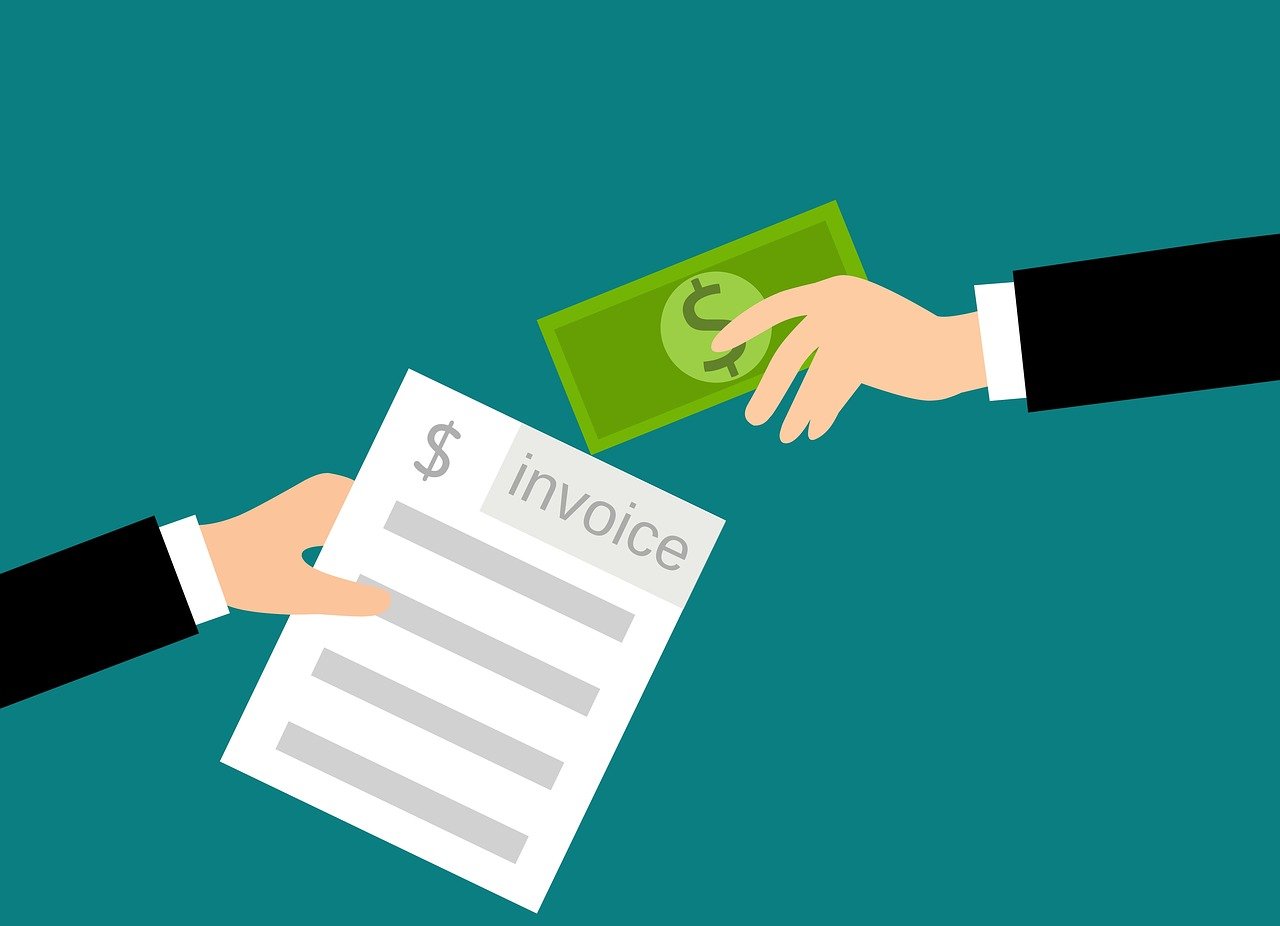

How Invoice Discounting Helps Improve Cash Flow in Businesses
In the modern business environment, maintaining a healthy cash flow is essential for survival. Many companies struggle with the timing of invoice payments, leading to cash flow gaps. Invoice discounting provides a solution to this pressing issue by allowing businesses to access funds tied up in outstanding invoices. This financial practice involves borrowing against unpaid invoices, thus converting them into readily available cash quickly. Suppliers retain control over their sales ledger, ensuring customer relationships remain intact. Additionally, invoice discounting is more flexible than traditional loans, enabling businesses to tailor their funding to match specific needs. This financial option is generally less time-consuming and easier to implement than traditional lines of credit or loans. Businesses can utilize the cash flow generated from invoice discounting for various operational expenses, thus enhancing overall financial health. As companies grow, they often face increased capital requirements; invoice discounting can alleviate some of these pressure points. Ultimately, through effective cash flow management, businesses can invest in growth opportunities and increase their competitiveness in the market.
Moreover, invoice discounting allows businesses to focus on their core operations without worrying about delayed payment from clients. By providing immediate cash access, companies can settle their debts promptly, avoiding late fees and interest charges from suppliers. This practice enhances supplier relationships and fosters trust, leading to better payment terms and discounts in the long run. Invoice discounting also eliminates the need for businesses to chase clients for payments, thereby saving valuable time and resources. This time saved can be redirected towards strategies for growth, innovation, and customer satisfaction. Furthermore, this financial solution can be particularly advantageous for smaller businesses or startups. These companies often lack the financial buffer to weather cash flow fluctuations, making invoice discounting an attractive option. The simplicity and speed of securing funds against invoices mean they can operate smoothly even when clients are late to pay. Additionally, reputable invoice discounting providers often offer financial advice and support, contributing to better financial management. Companies utilizing invoice discounting can thus cultivate a more proactive approach to their cash flow management.
Benefits of Invoice Discounting
One of the most significant benefits of invoice discounting is the improved cash flow it provides. Companies no longer have to wait for 30, 60, or even 90 days for clients to settle their invoices. Instead, they can receive a considerable percentage of the invoice amount almost immediately upon issuance. This rapid access to funds helps ensure that businesses can invest in necessary operations, such as inventory replenishment, equipment purchases, or hiring new staff. Furthermore, having a steady cash flow can help mitigate the risks associated with economic downturns or sudden market shifts. By effectively managing their accounts receivable through invoice discounting, businesses can also experience lower borrowing costs compared to traditional financing methods. The ability to selectively discount invoices can further tailor financing according to current project demands. Additionally, invoice discounting can enhance a company’s credit rating by demonstrating consistent cash flow management. For companies operating in competitive markets, demonstrating financial stability is crucial. This financial tool ultimately empowers businesses to be agile and responsive to changing market conditions.
Furthermore, businesses involved in invoice discounting typically experience a greater level of transparency regarding their financial positions. By collaborating with reputable financial partners, they gain insights into their cash flow cycles and outstanding receivables, resulting in more informed decision-making. This is vital for maintaining robust cash flow management strategies. Additionally, many discounting providers offer tech-driven solutions for tracking invoices and payments. This technology integration simplifies the process, allowing businesses to monitor their financial flows in real-time. Such transparency can also help identify potential risks associated with specific clients, providing insights into payment behaviors. Knowing when to discount certain invoices can improve overall financial outcomes. It also allows firms to respond better to customer requests when they have sufficient cash flow. Having real-time data on cash flow and outstanding invoices can also inform resource allocation strategies. Consequently, companies can better assess when to invest in new projects versus saving for future needs. Overall, this enhanced visibility strengthens financial governance and promotes growth.
Challenges and Considerations
While invoice discounting presents several advantages, it is crucial for businesses to consider potential challenges and assess their own financial health. One common misconception is that invoice discounting is the same as factoring; however, they differ in terms of control over customer relationships. Companies using invoice discounting maintain control over their clients and the collection process. Additionally, the cost of invoice discounting can vary significantly from one provider to another. Businesses must carefully review fees and interest terms to avoid damaging their profit margins. Moreover, if a business heavily relies on invoice discounting, it may indicate underlying issues with its operations or customer payment behaviors. This dependency can affect long-term financial stability. Companies should strive to address root problems, ensuring that invoice discounting remains a short-term solution rather than a permanent fixture in their financial strategy. It is essential to create a balanced approach to cash flow management, integrating invoice discounting as one of several options available. Understanding the risk-reward ratio can help firms leverage this tool effectively.
In conclusion, the effective deployment of invoice discounting can transform cash flow management within businesses, particularly those grappling with invoice payment delays. The importance of immediate access to funds cannot be overstated, as it allows for smoother operations and investments in growth opportunities. Moreover, cash flow generated through invoice discounting equips businesses to handle other financial obligations without strain. Suppliers benefit as well, as timely payments encourage better business relationships and favorable negotiations. Companies leveraging this financial tool exhibit enhanced operational agility, which is essential in the ever-changing business landscape. Furthermore, with the right financial partner, businesses can gain insights and transparency into their cash flow dynamics, aiding strategic decision-making. By weighing the benefits against challenges, organizations can align invoice discounting with their overall financial strategies. Implementing this tool thoughtfully can lead to sustained growth and stability in various industries. Ultimately, successful businesses will utilize effective cash flow management strategies, positioning themselves for long-term success in their respective markets. Embracing innovative financial solutions like invoice discounting sets a foundation for operational excellence and resilience.
Final Thoughts on Invoice Discounting
As businesses continue to navigate the complexities of today’s economic landscape, invoice discounting offers a viable solution for improving cash flow and optimizing financial management strategies. Its adaptability makes it suitable for various sectors and company sizes. Companies that can effectively utilize invoice discounting can explore new opportunities unburdened by traditional financing constraints. On a broader scale, invoice discounting not only benefits individual businesses but can also stimulate economic growth through increased spending. When businesses gain access to the cash tied up in unpaid invoices, they can reinvest within their sectors, contributing to job creation and higher productivity levels. Additionally, as the financial environment becomes more competitive, businesses that employ invoice discounting can gain an edge over competitors who may struggle with cash flow issues. Thus, it becomes clear that harnessing effective cash flow management tools is crucial for long-term success. In summary, embracing financial solutions like invoice discounting, tailored to the unique needs of a business, represents a proactive step towards a thriving future.
For businesses exploring invoice discounting, it’s advisable to conduct thorough research into potential providers and their offerings. Partnering with reliable financial institutions or fintech businesses that specialize in this area is essential. Companies should evaluate providers based on their fees, flexibility, service quality, and technological capabilities. Engaging with a partner that demonstrates a deep understanding of cash flow dynamics can enhance the benefits of invoice discounting. Businesses should also assess their own internal processes to ensure successful integration of this financial tool. Developing strong invoicing and payment protocols will enhance the effectiveness of invoice discounting. By minimizing discrepancies and delays in invoice approvals, companies can maximize cash flow outcomes. Furthermore, maintaining strong communication channels with clients can also streamline the payment process, benefiting both parties. As businesses leverage the opportunities presented by invoice discounting, they should continuously monitor their cash flow performance. This assessment will enable them to make informed financial decisions moving forward, ultimately contributing to sustained growth. Leveraging invoice discounting as a financial strategy can empower businesses to manage their resources more effectively and respond agilely to evolving market conditions.