
The Importance of Cost Management in Project Management
Cost management plays a critical role in project management, contributing significantly to the success of projects. A key aspect of a project manager’s responsibility is to ensure that the project is completed within the allocated budget. Effective cost management involves planning, estimating, budgeting, and controlling costs so that the project can be completed within the approved financial constraints. When managed properly, costs ensure that resources are allocated efficiently, helping avoid overspending and budget overruns. Moreover, it facilitates better decision-making as project managers have a clear picture of resource allocation and expenditure. Cost management also aids in risk management, identifying potential financial pitfalls and mitigating them before they escalate into significant issues. By implementing proven cost management strategies, organizations can optimize their spending, ensuring that every dollar spent contributes to attaining project goals. As organizations face stiff competition, mastering cost management can provide a competitive edge by maximizing returns on investment. To sum up, effective cost management is a cornerstone of successful project management, ensuring projects remain within budget while meeting their objectives.
Furthermore, successful cost management contributes to stakeholder satisfaction, which is essential for the longevity of any project or organization. Stakeholders, including clients and team members, are keen on understanding how finances are allocated and whether their expectations will be met within the budgetary constraints. Clear communication about costs and funding can foster trust among stakeholders. Utilizing financial reporting tools and dashboards can provide stakeholders with the transparency they need, allowing them to track expenditures against the project budget in real time. This can minimize skepticism, as stakeholders are more likely to remain content when they feel their financial interests are being safeguarded. Cost management also encourages accountability, as project teams must justify spending decisions, promoting a culture of financial responsibility. By instilling strong cost management practices, organizations can align their project goals with financial expectations, cultivating a more favorable environment for collaboration and success. Effective cost strategies reduce the chances of disputes and misunderstandings among stakeholders. As a result, project managers who prioritize cost management can enhance overall project performance while building credible relationships with all parties involved.
Cost Estimation Techniques
In project management, various cost estimation techniques are employed to provide accurate forecasts of project expenses. The chosen technique depends on the project’s nature, scope, and available data. One common method is the analogous estimating technique, where costs from similar past projects are reviewed to inform current estimates. This method is beneficial since it allows quick calculations but may lack precision. Alternatively, parametric estimating uses statistical relationships between historical data and other variables to predict costs. This can yield more accurate results when sufficient historical data is available. Bottom-up estimating, where team members detail their expenses based on specific work packages or tasks, offers the most accuracy but can be time-intensive. Regardless of the technique used, regular updates and adjustments to estimates are vital for maintaining accuracy throughout the project life cycle. Engaging the project team in the estimation process can lead to more reliable outcomes as they are familiar with the specific requirements. Ultimately, selecting the appropriate cost estimation techniques is vital for establishing a realistic budget to facilitate effective cost management in project execution.
Beyond just estimation, budget management is equally crucial in cost management. Budgeting sets the financial boundaries for the project, ensuring that costs do not exceed predetermined limits. A well-structured budget takes into account all phases of the project, from initiation to closure, and includes contingencies for unforeseen expenses. Regular budget reviews during project execution can help identify variances between planned and actual spending. When these discrepancies arise, project managers should analyze the causes and implement corrective actions if necessary. Engaging team members in monitoring the budget can increase accountability and promote awareness around spending. Furthermore, utilizing technology, such as budgeting software or financial management tools, allows for real-time tracking of expenditures, making it easier to maintain control. Effective budget management enables project managers to adjust their strategies, ensuring that resources are directed where they are most needed. Additionally, when budgets are managed well, it enhances the overall health of the project, leading to a higher likelihood of success. In conclusion, balancing budget management with proactive cost management measures significantly contributes to project success.
Monitoring and Controlling Costs
Monitoring and controlling costs is an ongoing process in project management that ensures expenditures are kept in check throughout all phases. It involves the continuous assessment of project expenses against the budget to confirm alignment with the financial plan. This management process aids in identifying any deviations early on, allowing for timely corrective actions to be taken. Techniques such as Earned Value Management (EVM) can provide valuable insights into cost performance, enabling project managers to evaluate both the scope and schedule of the project. Regular financial reports can serve as vital communication tools, offering stakeholders a clear understanding of project fiscal health. By establishing a cost baseline, project managers can identify trends and patterns that indicate spending issues. Moreover, fostering a culture of cost awareness among team members can yield better results, as everyone becomes accountable for their respective contributions to overall expenditures. Ultimately, proactive monitoring and controlling of costs can minimize the risks of running over budget while ensuring that project objectives are still achievable. Consequently, it plays an integral role in maintaining project quality and timeliness, which are critical elements of project success.
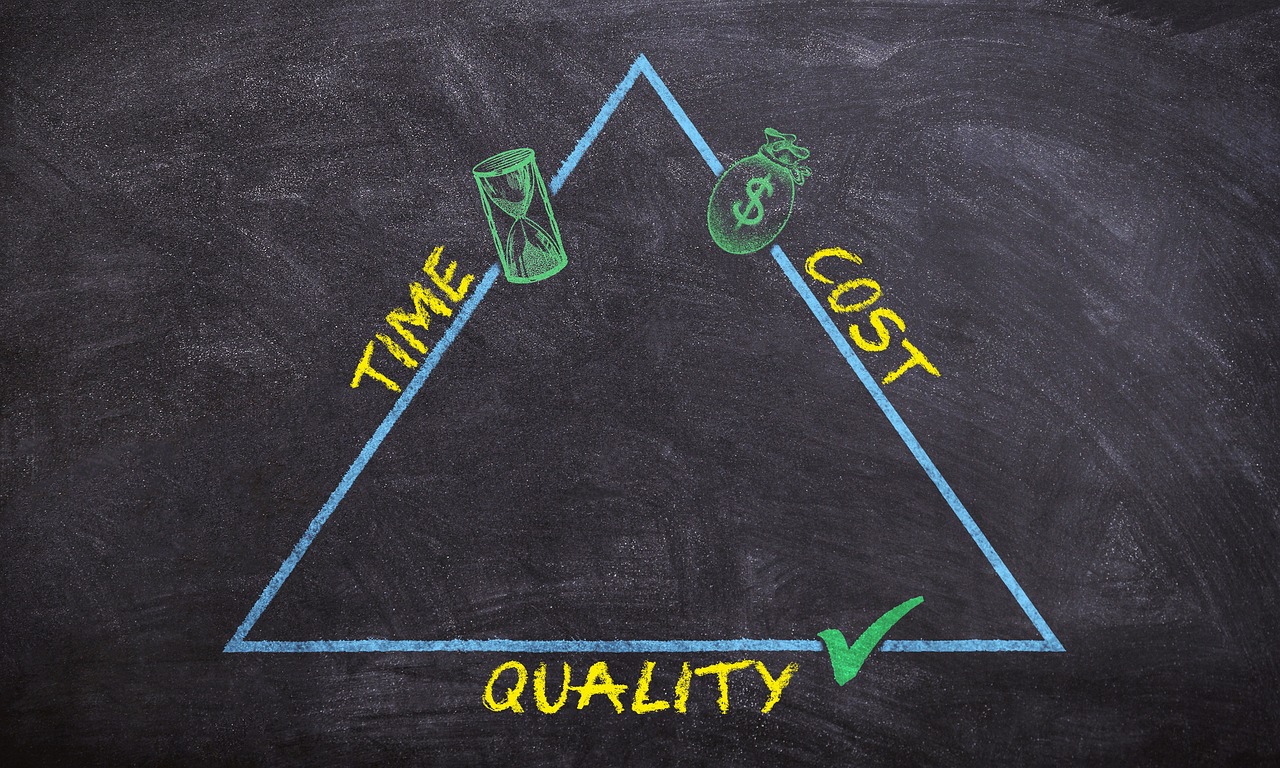
In addition to monitoring and controlling costs, integrating cost management with other project management knowledge areas can enhance overall effectiveness. The interconnectedness of project scope, quality, and risk management allows for a more holistic approach to cost management. Scope changes often lead to changes in costs; hence, project managers must maintain close communication with stakeholders regarding potential impacts on their budget. Adapting quality standards to meet cost constraints also requires careful consideration to avoid sacrificing project integrity. Furthermore, addressing risks during the planning phase can help in identifying potential cost drivers and creating buffers in the budget accordingly. Collaborating with cross-functional teams ensures that various perspectives are considered when making budget-related decisions. This integrated approach leads to improved resource allocation and better risk management, ultimately resulting in a higher success rate for projects. By viewing cost management as interconnected with other project aspects, project managers can create a more robust framework to support informed decision-making and strategic planning for future endeavors. As a result, projects are more likely to achieve their intended outcomes while adhering to budgetary guidelines.
Conclusion
In conclusion, the importance of cost management in project management cannot be overstated. It serves as a foundational pillar that influences project success and stakeholder satisfaction. By effectively planning, estimating, budgeting, and controlling costs, project managers can ensure their projects remain financially viable and strategically aligned with organizational goals. Employing diverse cost estimation techniques and engaging team members fosters a culture of responsibility around budgeting. Constantly monitoring and adjusting financial projections in response to project dynamics further strengthens the financial integrity of projects. Integrating cost management with other project management areas can yield improved decision-making and resource allocation, significantly enhancing project outcomes. Given the competitive nature of today’s business landscape, mastering cost management is not merely an advantage; it is a necessity for organizations striving for success. As challenges persist, organizations must ensure they develop strong cost management capabilities to navigate complexities and achieve their project ambitions. Investing in training and tools that reinforce cost management best practices greatly contributes to overall project success, setting the stage for continuous improvement in performance and efficiency across all projects.