
Navigating Export Controls: A Guide for Businesses
Understanding export controls is crucial for businesses involved in international trade. Export controls ensure compliance with national and international law, which helps avoid serious penalties. These regulations govern what goods and services can be exported, the countries they can be exported to, and who can receive them. Companies must familiarize themselves with these laws to mitigate risks associated with non-compliance, which can include hefty fines and loss of licenses to operate. Depending on the nature of the products or technology involved, businesses might also need to apply for export licenses before shipment. Moreover, organizations should keep detailed records of their export activities to demonstrate compliance during audits or inquiries. Engaging in export compliance training is vital, as it educates employees about relevant laws and best practices. It’s important to use accessible resources, such as government websites, industry associations, or compliance specialists. By doing so, businesses can implement effective strategies to manage their export activities responsibly. An internal compliance program can help facilitate adherence to these regulations within the organization, ensuring that employees understand their roles in maintaining compliance. Fostering a culture of compliance can safeguard the business’s reputation and operations.
To effectively navigate export controls, companies must first identify the applicable regulations based on the goods traded. Key regulations in the U.S. include the Export Administration Regulations (EAR) and the International Traffic in Arms Regulations (ITAR). Understanding these regulations requires a thorough review of the products, customers, and destination countries involved in transactions. Businesses must also classify their products correctly under these regulations to determine if an export license is necessary. Additionally, keeping abreast of updates and changes in export control regulations is essential. The legal landscape can shift rapidly due to geopolitical events and changes in government policies. Attending training workshops and engaging with legal experts can help organizations stay informed. Utilizing online tools and databases can also facilitate compliance monitoring effectively. Another vital aspect is implementing robust internal controls to prevent unauthorized exports or shipments to restricted parties. Maintaining a comprehensive list of prohibited entities and countries is crucial. Employees should receive training to recognize red flags during transaction reviews. Ensuring the accuracy of export documentation is also paramount for compliance, as mistakes can lead to violations. Adopting a proactive and informed approach will mitigate risks significantly.
Importance of Training Programs
Export compliance training programs are paramount for organizations engaged in international trade. These programs equip employees with necessary knowledge about legal requirements and best practices governing exports. Through effective training, businesses can reduce the likelihood of inadvertent violations, which could lead to expensive penalties or reputational damage. Training should cover the fundamentals of export regulations, including the various classifications, licensing requirements, and restricted parties’ lists. Additionally, employees should understand the consequences of non-compliance, including potential criminal charges. Interactive sessions, case studies, and real-life scenarios can enhance learning experiences and retention. Tailoring programs to specific roles within the organization ensures that all employees receive relevant guidance applicable to their functions. Following training, companies should evaluate employee understanding through assessments to gauge comprehension levels. Regular refresher courses can also ensure that employees stay updated on regulatory changes and emerging issues in export compliance. Beyond curricular training, fostering a culture that prioritizes compliance encourages employee accountability. Open communication channels for reporting compliance violations or uncertainties should be established. By advocating for thorough training and a strong compliance culture, businesses bolster their operational integrity.
In addition to employee training, organizations should also implement a comprehensive export compliance policy. A well-structured policy serves as a framework for guiding employees’ actions while managing export transactions. The policy should outline company objectives regarding compliance and delineate responsibilities among employees across various levels. Establishing clear procedures for screening customers, managing export licenses, and documenting transactions can enhance overall compliance. Furthermore, conducting periodic audits is an effective strategy to identify potential vulnerabilities and rectify them before they escalate. Documentation practices should be rigorous to maintain transparency and facilitate audits. Ensuring that all export transactions are documented accurately helps demonstrate compliance to regulatory authorities. Engaging with external compliance consultants can bolster these efforts by providing expert insights and recommendations tailored to the industry. Leveraging technology, such as compliance management software, can streamline processes and enhance compliance accuracy. As businesses grow, scalability becomes necessary to maintain compliance effectively across operations. Continuous evaluation and adaptation of compliance policies will help organizations remain agile in an ever-evolving regulatory landscape. By developing and implementing a thorough compliance policy, organizations can navigate export controls more efficiently.
Engaging with Authorities
Maintaining open communication with export control authorities can be beneficial for businesses navigating compliance requirements. Establishing relationships with government representatives fosters trust and provides clarity on regulatory interpretations. Businesses can request guidance or clarification on issues they are uncertain about, helping to mitigate legal risks. Additionally, authorities may offer training sessions or workshops that can be invaluable for companies seeking to enhance their compliance programs. Staying connected with industry organizations can further provide resources and networking opportunities. These connections can lead to insights on best practices, emerging trends, and regulatory changes that affect trade practices. It’s also advisable for businesses to stay informed about new laws and amendments that could impact their operations. Subscribing to newsletters or alerts from regulatory bodies can ensure that companies receive timely updates. Engaging in advocacy efforts on trade compliance issues can also lend a voice to businesses. Advocating for clear and fair regulations can impact policy changes positively. Working collectively with other industry stakeholders can elevate compliance concerns to higher authorities. By proactively engaging with authorities and industry groups, companies can build strong compliance foundations while contributing to meaningful trade discussions.
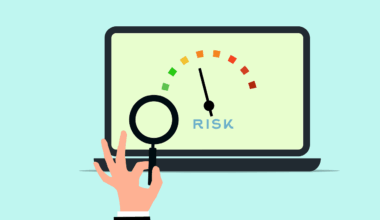
One critical aspect of export compliance is conducting risk assessments to identify vulnerable areas within business operations. Organizations should regularly evaluate their processes, products, and trade routes to determine potential risks associated with non-compliance. This enables businesses to allocate resources effectively to higher-risk areas, thus streamlining compliance efforts more efficiently. Establishing a risk management framework is essential in proactive strategy planning. Businesses should adopt a checklist system that includes all regulatory requirements, tracking compliance status with each exporter and transaction. Moreover, identifying and monitoring trade partners and related entities can prevent inadvertent violations, as due diligence is a crucial component of compliance. Companies should also consider potential reputational risks associated with non-compliance, as public perception can greatly influence business success. Regularly reviewing partnerships and engaging in background checks ensures that organizations are not inadvertently involved with sanctioned entities. Employees should be trained to recognize patterns of risk and report them promptly. This proactive approach not only minimizes risks but also fosters a culture of accountability and diligence within organizations. By prioritizing risk assessments, businesses equip themselves with the knowledge needed to navigate export controls successfully.
Conclusion
Ultimately, navigating export controls requires a multi-faceted approach that includes training, effective policies, and ongoing communication. As businesses engage more in global markets, understanding and adhering to regulatory requirements become vital. Building a culture of compliance, combined with robust employee training programs, enhances organizational resilience against potential violations. Regular assessments, open communication with authorities, and collaboration within the industry further solidify compliance efforts. Furthermore, fostering a risk-aware culture ensures that employees recognize their responsibilities and obligations. By investing in compliance initiatives, businesses not only protect themselves from penalties but also enhance their overall market reputation. An organization known for its ethical practices will gain trust from partners and clients alike. As regulations evolve, companies must remain agile and ready to adapt their policies accordingly. This adaptability will ensure long-term success in international trade. In conclusion, a proactive and comprehensive approach to export compliance can provide businesses with the necessary tools to thrive in the global marketplace while avoiding pitfalls associated with regulatory failures.
Lastly, utilizing technology can greatly enhance export compliance efforts. Businesses should explore software solutions designed to automate various aspects of compliance management. Such tools can streamline processes related to document generation, screening, and reporting. Additionally, analytics capabilities within these platforms can provide insights into compliance patterns and highlight areas for improvement. Incorporating technology allows for better tracking of transactions, reduces errors, and enhances overall efficiency. Businesses can drastically cut down the time spent on compliance tasks, thus focusing their resources on core functions. As trade regulations continue to evolve, embracing technological advances will be pivotal. Organizations should stay informed about new compliance tools and technologies that emerge in the market. Achieving compliance excellence requires ongoing education and adaptation to tools available. Regular updates and training on technological resources ensure that employees can effectively utilize them. Ultimately, combining technology with strong compliance practices creates a formidable foundation for navigating export controls. By harnessing technological advancements, businesses can ensure that they remain compliant with evolving regulations while enhancing operational success. This commitment to compliance not only safeguards the business but also contributes positively to the global trading environment.