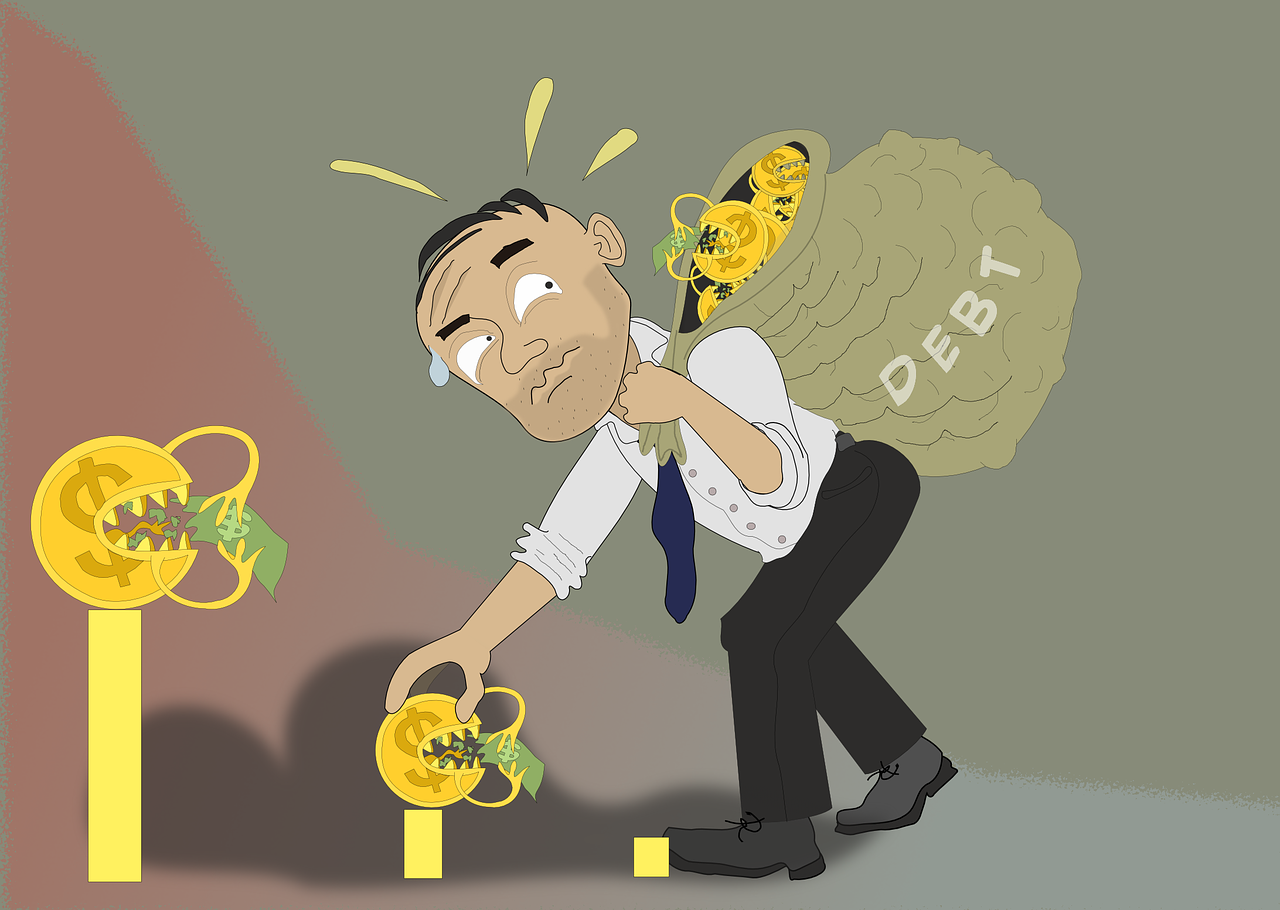

Unsecured Debt Collection: What Borrowers Should Expect
Understanding unsecured debt is crucial for borrowers who may ultimately face collection situations. Unsecured debt refers to loans not backed by collateral, such as credit cards, medical bills, or personal loans. As a borrower, knowing what to expect during the collection process is essential. When debts become delinquent, collection agencies may intervene. These agencies typically attempt to collect unpaid debts by contacting borrowers through various means, including phone calls and written notices. It’s important to recognize that although these agencies are seeking payment, borrowers still retain rights under the Fair Debt Collection Practices Act. This federal law protects consumers from harassment or abusive practices during debt collection. Therefore, it’s crucial to keep abreast of these rights. This knowledge may help reduce stress and confusion throughout the collection process. Borrowers who feel overwhelmed should consider seeking professional financial advice to better understand their options and potential consequences regarding their debts. Understanding their financial situation can also help them make informed decisions about repayment or negotiating debts.
In the context of unsecured debt collection, the lack of physical collateral poses unique challenges both for creditors and borrowers. With no assets securing the debt, lenders often rely on legal measures to recover funds owed. Various pathways, such as defaulting loans, may lead to lawsuits, wage garnishments, or bank levies. These outcomes highlight the importance of maintaining open communication with creditors when falling behind on payments. Often, lenders may offer payment plans or settlements that allow borrowers to tackle their debts more effectively. For instance, establishing a repayment plan can prevent the escalation of the collections process and may preserve the borrower’s credit rating. However, it’s critical to address the debt promptly to avoid further complications. Prolonged neglect could lead to more invasive collection tactics or damage the borrower’s credit score significantly. Regularly reviewing one’s financial situation can ensure that borrowers remain aware of their obligations and any changes in lender policies. Seeking out educational resources can also foster better-informed decisions during challenging economic times.
Dealing with Unsecured Debt Collectors
When faced with unsecured debt collectors, it’s essential to be prepared and knowledgeable about how to respond. First, borrowers should verify the legitimacy of the debt and determine whether the collector is authorized to collect on behalf of the creditor. Upon receiving any communication from a collector, borrowers should find out details about the debt, including the original lender, outstanding balance, and how it was incurred. This verifies the collector’s claims and prevents falling victim to scams. If the debt is valid, borrowers must decide how to approach repayment. Successful negotiation may position borrowers to seek lower payments or settle for less than what’s owed. Understanding the power of negotiation can lead to more favorable terms or eliminate the debt altogether. It’s advisable to document communication with collectors, as this can serve as evidence should disputes arise later. Furthermore, keeping detailed records of payment history can support negotiations and validate claims made to debt collectors. Being proactive can alleviate further complications and help maintain one’s financial stability.
Borrowers should also consider the emotional impact of dealing with unsecured debt collections and how it affects their overall well-being. The stress of owing money can lead to anxiety, sleepless nights, and strained relationships. It’s vital for borrowers to recognize these feelings and address them. Engaging in self-care practices can mitigate the emotional burden associated with debt collection. Finding a support network or discussing concerns with a trusted friend or family member can promote a sense of relief and understanding. Furthermore, seeking assistance from credit counseling agencies can provide educational resources and debt management strategies to alleviate stress. These organizations commonly offer workshops, financial education, and tailored strategies designed to help individuals regain control of their finances. Having a clear plan can empower borrowers and reduce feelings of helplessness. When borrowers feel supported, the overall debt recovery process becomes more manageable and less daunting. Therefore, maintaining emotional health during challenging financial times should be a priority as borrowers navigate their unsecured debt situations.
The Role of Legal Resources
Legal resources can play a vital role in understanding consumer rights during unsecured debt collections. Borrowers dealing with harassment or illegal collection practices should consider consulting with a lawyer who specializes in consumer credit or debt relief. These professionals can provide guidance about the Fair Debt Collection Practices Act and other applicable laws. In cases of abusive practices, legal intervention may be necessary to halt persistent harassment or wrongful lawsuits. Borrowers need to be aware of the various resources available, such as local advocacy groups and legal aid organizations. These groups often offer free or low-cost legal assistance to help borrowers navigate their financial difficulties. Access to legal resources can encourage borrowers to take action and advocate for their rights confidently. Individuals should document all instances of miscommunication or misconduct by debt collectors, as this information may become useful for legal proceedings. Awareness of legal rights empowers borrowers to confront issues assertively and ensures they do not succumb to illegal practices that may harm their financial health.
One essential consideration in unsecured debt collection is the potential impact on credit scores. Unpaid unsecured debts can lead to negative reports that significantly damage a borrower’s credit history. Consequently, individuals should actively monitor their credit reports and address discrepancies or outdated information. Understanding how credit scores operate, along with the factors influencing them, allows borrowers to make informed decisions regarding debt management and recovery. Payments made in a timely manner can positively reflect on credit scores, whereas defaults may linger for years. Therefore, working toward timely payments can establish a healthier credit profile. Many financial institutions also provide tools and services to assist borrowers in improving their credit scores. Engaging with these services can create a path for recovery from previous mistakes. Ultimately, a favorable credit score can lead to better borrowing opportunities in the future, which benefits long-term financial planning. Knowledge and engagement in repairing credit can empower borrowers throughout their debt recovery journey, especially with unsecured debts that can otherwise hold them back.
Concluding Thoughts on Unsecured Debt
Navigating unsecured debt collections can be challenging but understanding the process equips borrowers with the tools to address their situations effectively. Recognizing the nature of unsecured debts, the role of debt collectors, and the rights protected under the Fair Debt Collection Practices Act fosters confidence in handling precarious financial circumstances. Borrowers should prioritize proactive communication with creditors, seek legal counsel when necessary, and take steps to understand the impact of unpaid debts on their credit scores. Stress management is also essential, as emotional well-being plays a crucial role during financial recovery. Reaching out for assistance from credit counseling services or legal professionals can create valuable pathways to reestablish financial health. The knowledge gained from these experiences can guide borrowers in avoiding similar pitfalls in the future. By focusing on their financial literacy and understanding unsecured debts, borrowers can build a strong foundation for improved financial resilience. Ultimately, staying informed about rights and options within unsecured debt situations allows borrowers to navigate their paths toward financial freedom with greater clarity.
In conclusion, unsecured debt collection remains a significant area of concern for borrowers struggling with repayment. By acquiring knowledge about the debt collection process, understanding their rights, and maintaining open communication with creditors, borrowers can manage their financial obligations effectively. The importance of emotional well-being and accessing resources cannot be overstated, as support systems enhance resilience during challenging times. Awareness of the potential impact on credit scores adds another vital layer to the recovery process. By prioritizing timely payments and considering negotiations with collectors, borrowers can find themselves on the road to recovery. Engaging with professionals, whether they be legal advisors or credit counselors, provides valuable guidance in navigating unsecured debts. The path to financial health is multifaceted, requiring a thorough understanding of both the opportunities and risks involved in unsecured debt scenarios. As borrowers move forward, empowering themselves with knowledge will remain paramount. Embracing strategies to manage debts responsibly will yield positive results, proving that informed choices can make all the difference in securing a financially stable future.