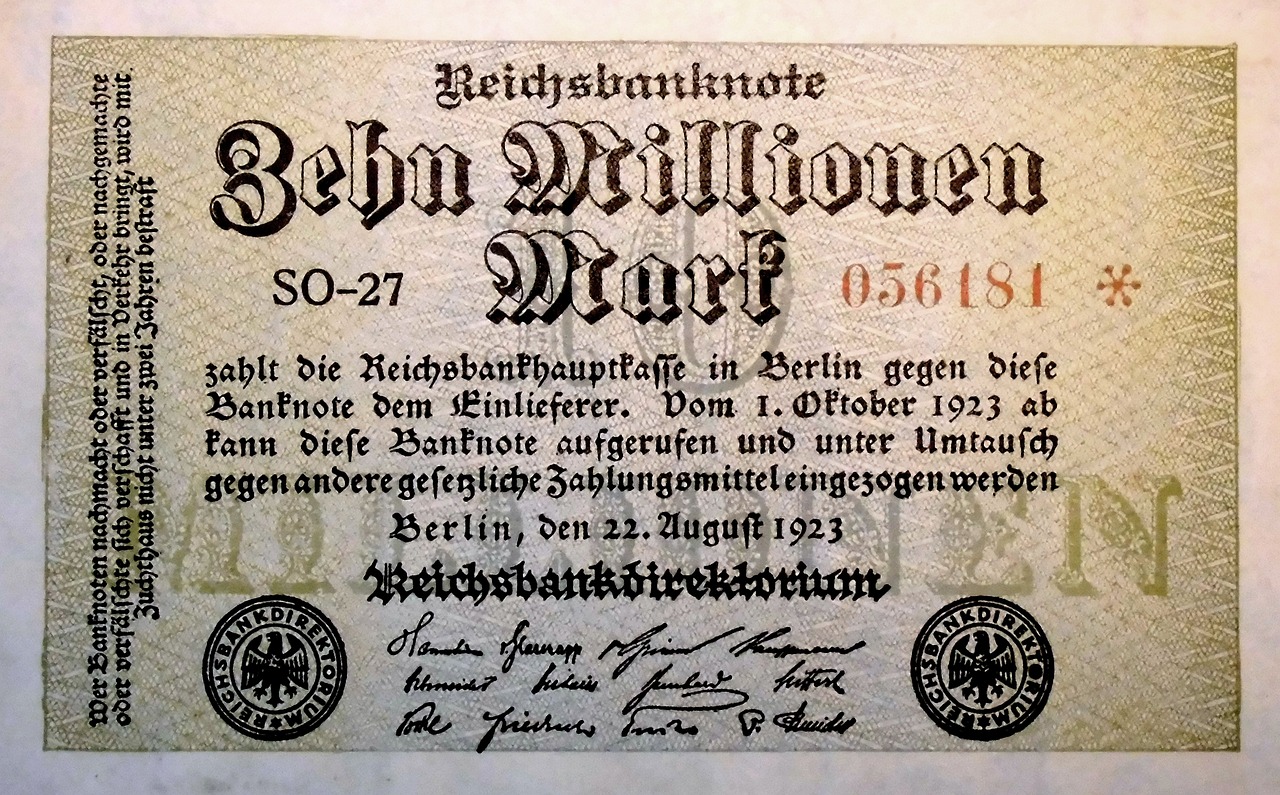

The Effect of Inflation on Global Insurance Underwriting Practices
Inflation is a persistent economic challenge affecting various sectors, including global insurance and reinsurance markets. As inflation rates increase, the costs of services and claims tend to rise, necessitating adjustments in underwriting practices. Underwriters must carefully assess the implications of inflation on policy pricing and coverage. A key effect is the recalibration of risk assessment models used in underwriting, as inflation can impact the actual value of insured assets. When inflation is not adequately factored in, the underwriting process can either underprice policies or create excessive premiums that may alienate clients. Additionally, claims costs, influenced by inflation, can escalate, thus modifying the underwriting strategies. Insurers may need to enhance their analytics capabilities to account for the fluctuating inflation rates and maintain profitability. Furthermore, collaboration with actuaries and economists becomes crucial to foresee future trends. The interconnectedness of global markets means that inflation in one region can inadvertently influence others, thus requiring a broad perspective in underwriting. Global insurers must discern how inflation affects their portfolios, policyholders, and ultimately, their bottom lines in a highly competitive environment.
Inflation’s impact on underwriting extends beyond mere costs; customer expectations are also evolving. Policyholders are becoming increasingly aware of how inflation affects their coverage, prompting insurers to communicate transparently about adjustments. Clients expect clear explanations regarding premium increases and coverage modifications driven by inflationary pressures. This shifting dynamic necessitates underwriting practices that balance profitability with customer satisfaction. Insurers may find themselves needing to adjust their communication strategies, providing more educational resources about inflation and its implications. By fostering a better understanding among policyholders, insurance firms can build trust and retain clients despite price adjustments. Additionally, underwriting guidelines must evolve, taking into consideration client feedback and changing market conditions. Insurers might consider offering flexible coverage options or inflation-indexed policies to meet clients’ needs. This proactive approach can enhance customer loyalty and competitive advantage in the marketplace. Technological advancements also play a significant role, as automation and data analytics can streamline the underwriting process while accommodating inflationary adjustments. This dual focus on technological integration and customer engagement is essential in navigating the complex landscape shaped by inflation in the global insurance industry.
Reinsurance Implications
The reinsurance sector also faces significant transformations due to inflation. As primary insurers adjust their underwriting practices, reinsurers must evaluate the resultant risk profiles and their pricing models. The chains of risk transfer can become more intricate as underlying inflation affects loss estimates and premium settings. Reinsurers may encounter increased scrutiny over their pricing structures, as treaty negotiations reflect the heightened costs associated with inflation. Adjustments in the terms of reinsurance contracts could be necessary to align with market expectations. Additionally, reinsurers may need to reassess the adequacy of their loss reserves in light of inflation’s impact on claims. Adjusting to these changes requires robust forecasting models that accurately gauge future loss scenarios. Insurers and their reinsurers should collaborate to ensure both parties have a comprehensive understanding of the inflationary risks at play. This cooperation can foster a more sustainable approach to risk management amidst increasing inflation. Moreover, regulatory bodies may impose new standards, further complicating the landscape for reinsurers. In an environment of rising prices, remaining adaptable will be paramount for the reinsurance sector to thrive.
Another critical aspect of rising inflation involves regulatory and compliance frameworks in insurance. Regulatory agencies are often wary of how inflation affects market stability and consumer protection. Insurers must ensure compliance with updated regulations, which may mandate adjustments in price assessment procedures and risk disclosures. These changing regulatory landscapes can create challenges for underwriting, as insurers must remain nimble in adapting to new compliance standards. Some jurisdictions may introduce specific inflation-linked requirements, compelling insurers to disclose how inflation impacts premiums and coverage limits. Insurers need to invest in compliance technologies that can accommodate these evolving regulations. The costs associated with compliance can add to the overall operational overhead, thus requiring underwriters to balance their pricing strategies against financial viability. In addition, consumers’ rights related to disclosures and adjustments should be more prominent during inflationary times. Proper education on obligations and transparent communication channels will prove beneficial. By aligning underwriting practices with regulatory expectations, insurers can enhance trust and credibility in the marketplace. This alignment becomes increasingly important as the global economic landscape shifts due to inflationary pressures.
Adapting Underwriting Strategies
Adaptability is crucial in the face of inflation’s challenges. Insurers need to develop underwriting strategies that are resilient to economic shifts driven by inflation. A comprehensive analysis of market trends and consumer behavior is essential to inform these strategies. Insurers may consider using micro and macroeconomic indicators to forecast inflation impacts accurately. Using data analytics tools can help underwriters glean insights about emerging risks and adjust their coverage offerings accordingly. Tailoring products to meet the needs of specific demographics can also improve customer engagement and retention during inflationary periods. Moreover, insurers should explore reinsurance structures that provide additional cushioning against unpredictable loss scenarios intensified by inflation. Reinventing traditional approaches and leveraging innovative technologies such as artificial intelligence can lead to more efficient underwriting processes. Insurers could benefit from adopting lean methodologies that streamline their workflows. Continual training and upskilling of underwriters concerning market changes can further enhance operational efficiency. Through these adaptive strategies, global insurers can position themselves for long-term success. Proactively responding to inflation’s effects allows them to maintain their competitive edge while ensuring financial solidity.
In conclusion, the pernicious effects of inflation on global insurance and reinsurance practices demand a multifaceted response from market participants. Insurers must remain vigilant to the changes that inflation brings about in risk assessment, pricing, and regulatory compliance. By adopting innovative strategies and utilizing technology effectively, insurers can better withstand the challenging economic landscape. Transparent communication with policyholders is essential in mitigating dissatisfaction due to necessary premium adjustments. Understanding customer expectations and actively involving them in the decision-making process will also enrich client relationships. Furthermore, a constant reevaluation of underwriting practices ensures that insurers remain aligned with market conditions and regulatory requirements. Reinsurers must engage in continuous dialogue with their primary counterparts, ensuring that risk-sharing arrangements are equitable and adaptive to inflation pressures. The interplay of inflation, risk management, and customer relations will define the future of the industry. As the global economy continues to evolve, so must underwriting practices adapt to better meet the challenges posed by inflation. Finding sustainable solutions is vital for the long-term health of both insurers and their clients in an inflationary environment.
The future trajectory of insurance underwriting amidst inflation requires a concerted effort from the entire industry. Collaboration between insurers, reinsurers, and regulatory bodies will be essential in developing frameworks that support sustainable practices. Such frameworks should facilitate the sharing of data and best practices, enhancing the overall resilience of the insurance ecosystem. By acknowledging inflation’s effects comprehensively, insurance stakeholders can devise collective actions that mitigate risks and encourage stability. Additionally, engaging in cross-industry dialogues could yield innovative approaches to managing inflation. This can include the introduction of inflation-linked products that meet evolving consumer needs. Moreover, the establishment of forums for knowledge sharing among industry experts can foster continuous learning and adaptability. Insurers should also explore partnerships with fintech solutions that streamline their operations, aligning pricing strategies with real-time economic indicators. A strategic focus on adaptation will not only benefit the insurers but also ensure customers receive fair coverage in inflationary times. Embracing these opportunities for collaboration and innovation positions the global insurance industry to thrive, even in challenging economic climates shaped by inflation.
Innovation in products and services remains a linchpin for insurers amidst an inflationary context. As underwriting practices shift, it’s vital that insurance products evolve concurrently to meet market demands. Offering value-added services, such as inflation protection riders, can cater to consumer interests while keeping profitability in check. Furthermore, insurers could leverage technology to customize policies that respond flexibly to changes in economic conditions. Emphasizing customer-centric design and benefits can enhance product appeal, ultimately leading to better retention. Tailoring communication to highlight the advantages of these innovative offerings will also play a decisive role in fostering client relationships. Insurers should be proactive in educating their clients about how their products can shield them from inflation-related risks, promoting understanding and trust. Additionally, exploring alternative distribution channels could expand access to innovative insurance offerings, making them more appealing to consumers. Insurers must remain agile and responsive to the evolving landscape of inflation and its impacts. Ultimately, this commitment to innovation not only strengthens market position but also enhances client satisfaction in a challenging economic environment.