
Cybersecurity as a Strategic Business Risk
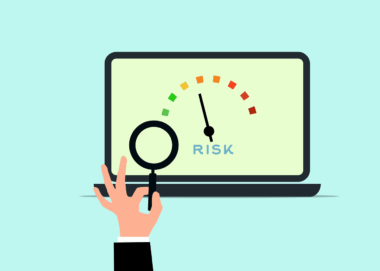
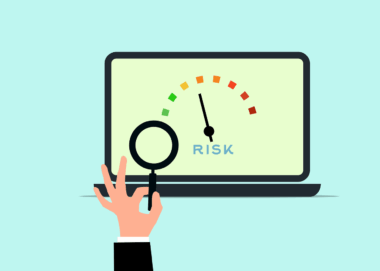
In today’s interconnected digital landscape, organizations are increasingly recognizing cybersecurity as a critical aspect of strategic risk management. Cyber threats have evolved significantly, becoming more sophisticated and pervasive. This necessitates a shift in perspective, viewing cybersecurity not merely as an IT issue but as a fundamental business concern. With data breaches and cyberattacks becoming commonplace, the potential financial and reputational damage is immense. Companies must proactively assess their cybersecurity posture within the larger context of risk management strategies. This involves understanding the specific threats that pertain to their operations and taking a holistic approach to safeguard assets.
Organizations should prioritize cybersecurity training for employees at all levels. Awareness and education programs help build strong cybersecurity hygiene, cultivating a culture of security within the organization. Additionally, implementing robust security measures is paramount. This includes utilizing advanced technologies such as AI-driven threat detection systems and regular audits to identify vulnerabilities. Regularly updating security protocols ensures adaptability to emerging threats, which can significantly mitigate risks. Collaboration with cybersecurity experts can provide invaluable insights into best practices, enhancing overall security posture.
The Financial Implications of Cyber Risk
Considering the financial implications of cyber risk is essential for organizations. The cost of data breaches extends beyond immediate losses; it impacts customer trust, market reputation, and may even lead to regulatory fines. Companies must quantify potential risks to integrate them into their financial planning processes. Tailored insurance policies can safeguard against specific cybersecurity threats, providing an additional layer of protection. Continuous financial risk assessment related to cybersecurity is critical, enabling organizations to allocate resources effectively. Doing so not only reinforces defenses but also positions the company favorably in the marketplace.
The role of leadership in addressing cybersecurity as a strategic business risk cannot be overstated. Executives must actively engage in discussions around cybersecurity to emphasize its importance. Involving C-suite leaders in cybersecurity initiatives ensures alignment with business goals. Additionally, establishing a dedicated cybersecurity team can enhance accountability, ensuring that relevant measures are implemented and regularly monitored. This team should work closely with IT departments and risk management teams, fostering a unified approach that integrates cybersecurity into overall business strategies.
Regulatory Compliance and Cybersecurity
Organizations must navigate various regulatory frameworks that mandate stringent cybersecurity measures. Compliance with regulations such as GDPR and HIPAA is essential to avoiding legal ramifications. Regular assessments ensure that businesses align with evolving regulatory requirements. This not only protects companies from potential legal actions but also contributes to a stronger security posture overall. By prioritizing compliance, organizations demonstrate their commitment to safeguarding client information, thereby enhancing trust and customer loyalty. Failure to comply can lead to severe consequences, including substantial fines and damage to reputation.
Incorporating cybersecurity into the corporate culture promotes proactive behavior among employees. Engaging team members in cybersecurity discussions fosters an environment where security is a shared responsibility. Employees should understand their role in protecting sensitive information, as human error often contributes significantly to breaches. Regular simulations and drills can prepare staff for potential incidents, enhancing response capabilities in real situations. Moreover, encouraging feedback on security practices creates a dynamic environment in which employees feel empowered to contribute to organizational security efforts, further mitigating risks.
Future Trends in Cybersecurity
The future of cybersecurity is poised to experience transformative changes. As emerging technologies like quantum computing and AI evolve, so too do the threats that accompany them. Organizations must stay ahead of these evolving trends to mitigate risks effectively. Implementing innovative security solutions, such as biometric authentication and advanced encryption methods, can enhance defenses. Forward-thinking companies are already exploring decentralized security protocols that utilize blockchain technology for data protection. Keeping abreast of these trends is essential for navigating a rapidly changing threat landscape, ensuring long-term resilience.
Investment in cybersecurity technology is vital for organizations to safeguard their assets. The return on investment (ROI) for cybersecurity initiatives is substantial when considering the potential costs associated with breaches. Allocating adequate resources for cybersecurity tools and staff is crucial to maintaining a robust defense. Furthermore, organizations that prioritize cybersecurity can differentiate themselves in the marketplace, attracting customers who value data protection. Ultimately, integrating cybersecurity into strategic risk management is not just beneficial but essential for long-term success in the digital age.