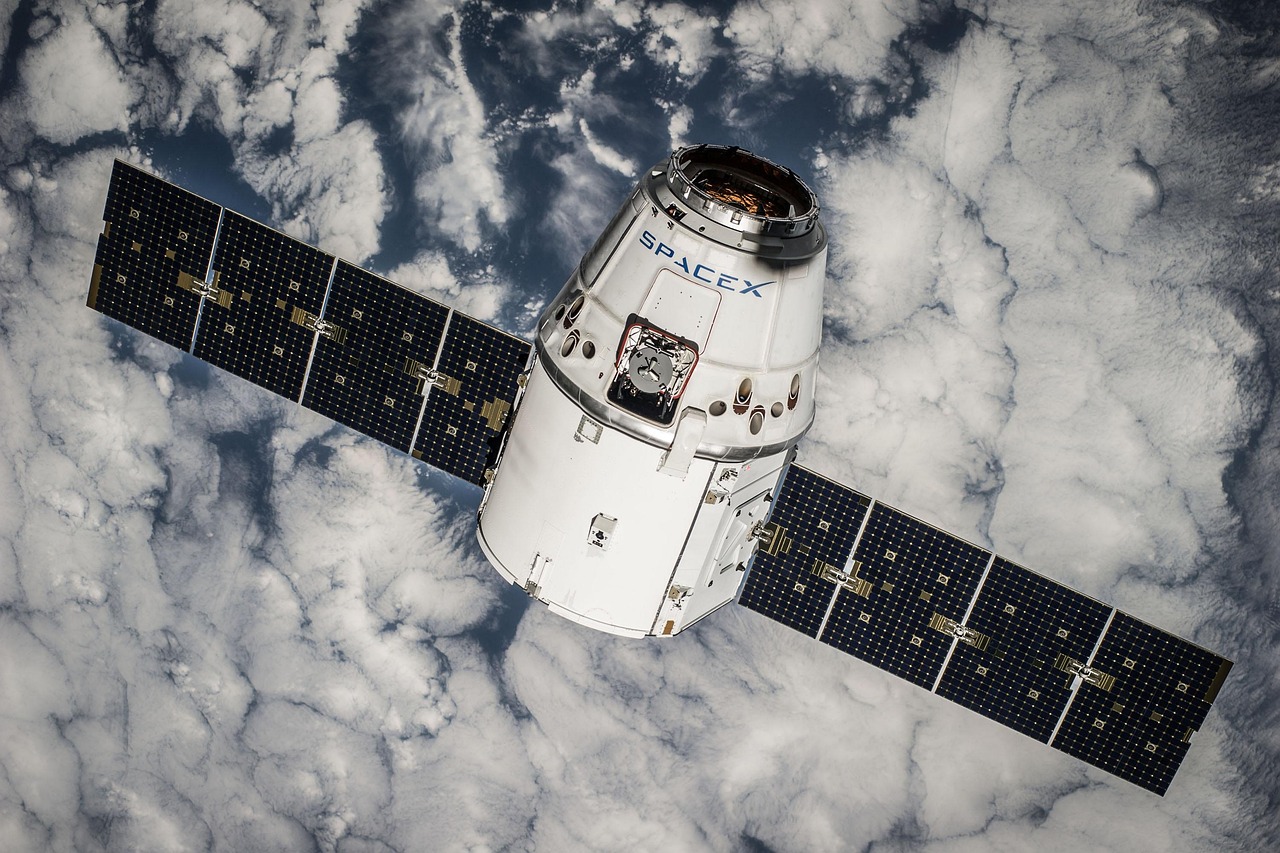

SpaceX’s Starlink Project: Venture Capital and Satellite Internet
The success of SpaceX’s Starlink venture illustrates an evolving landscape of satellite internet service that capitalizes on venture capital investment. This project emerged in response to the increasing demand for high-speed internet access globally, particularly in rural and underserved areas. Starlink aims to deploy thousands of small satellites in low Earth orbit, creating a constellation that provides expansive coverage and exceptionally low latency internet. Funded predominantly through significant contributions from various venture capital firms, Starlink achieved remarkable progress quickly. Investors recognized the potential for high returns given the expanding digital economy, especially with the shift toward remote work and digital services. SpaceX is not only building technology; it is revolutionizing how internet access is perceived and delivered globally. Additionally, the ability to provide internet service in remote areas would stimulate local economies and increase educational access. As Starlink continues to grow, the venture capital model exemplified here showcases the synergy between innovative technology and strategic financial backing, paving the way for future successes in the sector.
The significant influx of capital backing Starlink has enabled SpaceX to pursue ambitious goals in record time. Initial funding rounds attracted major players interested in new technology, and venture capitalists viewed the satellite internet market as a lucrative opportunity. To illustrate, the project’s first round raised over $1 billion, further catalyzing expansion plans. With that money, SpaceX was able to launch a significant number of satellites, enhancing the service’s reach immediately. The multitiered approach to capital reconstruction allowed for a blend of equity financing and debt options, reducing financial risk while maximizing operational capacity. This model demonstrates an essential strategy for startups in the aerospace and tech sectors, where upfront costs are substantial. It is also noteworthy that the project’s publicized interest influences regulatory advancement, assisting in acquiring necessary permissions from government entities. As Starlink continues its deployment, it serves as a case study on how venture capital can propel technology-driven projects. The blend of innovative thinking and astute financial management signifies a venture that might alter how we function in an increasingly connected world.
Moreover, the global ramifications of Starlink’s success raise questions about the future of internet access equity. Using advanced technology to bring connectivity to the undeserved, Starlink has the potential to bridge the digital divide. Offering services in remote areas can lead toward economic growth and provide educational opportunities to communities previously cut off from modern digital resources. The competitive edge that Starlink has could catalyze changes in international telecommunication policies as governments strive to ensure that all citizens have equal access. Companies like SpaceX are driving innovation in this area, prompting traditional telecommunications companies to adapt and enhance their offerings. In this context, Starlink provides not merely a lucrative investment opportunity but also a social good, fostering a more harmonious global communication framework. By examining how venture capital plays a role in the deployment and expansion of satellite internet, we can infer valuable lessons relevant for future technological endeavors. Understanding this interaction will help guide new ventures embarking on similar paths, optimizing for both profit and societal impact.
Challenges Faced by Starlink
Despite evident successes, Starlink faces multiple challenges that need addressing to sustain its trajectory. Concerns about satellite congestion and space debris have raised alarms among regulators and astronomers alike. With thousands of satellites planned, the risk of collisions increases, potentially creating hazardous space debris, which can jeopardize both existing and future missions. Furthermore, the environmental impact of rocket launches must also be taken into consideration, stirring interest from conservation groups and environmental agencies. The regulatory landscape is complex, with SpaceX needing to navigate a myriad of rules concerning radio frequencies and orbital slots as it deploys globally. These hurdles necessitate continuous lobbying efforts and strong relationships with regulatory bodies. Additionally, as Starlink places itself as a competitor against established internet providers, customer acquisition efforts must factor in consumer perceptions regarding reliability and price points. Transitioning users from traditional ISPs to satellite internet can be daunting, requiring significant marketing strategies. As these challenges arise, it remains to be seen how effectively SpaceX will manage risk while continuing to innovate in the rapidly evolving satellite communications sector.
Furthermore, the competition landscape is evolving, as various entities recognize the lucrative market of satellite internet services. Major telecommunications companies have initiated their projects in response, heightening the competition for Starlink. Rivals aiming at lower deployment costs and speedy launches seek to undercut SpaceX’s market share. These newcomers have the potential not only to drive innovation but also to place pricing pressure on Starlink’s service. The established market players possess substantial resources and customer bases, which could complicate SpaceX’s efforts to achieve saturation and retain user loyalty. Investors have to monitor these developments closely, as they have implications for the long-term viability of their investments. Alongside market pressures, technologies such as 5G are being rolled out by traditional ISPs that could impact Starlink’s appeal for urban users, emphasizing the need for continued marketing to maintain relevance. In short, while the path ahead appears promising due to its unique offerings, it is vital for SpaceX to strategically navigate evolving competitive landscapes to sustain and enhance its market position.
As the venture progresses, emerging trends indicate that consumer preferences will influence how satellite internet services are perceived and adopted. Consumer behavior surrounding technology is always changing rapidly, with factors such as reliability, speed, and customer support driving choices towards providers. Starlink has attempted to respond to consumer needs by offering high-speed internet and promising low latency, a significant factor for a user base engaged in gaming and streaming. This willingness to embrace consumer desires results in a robust brand loyalty that could stabilize long-term profitability. Additionally, the pricing structure must remain competitive to sway potential users choosing between traditional broadband and satellite-based services. By continuously refining their service and understanding consumer demands, Starlink is well-positioned to dominate the market. Moreover, transparent communication regarding technical aspects and service availability will enhance customer trust, which is critical in a sector marred by skepticism toward new technologies. As the project unfolds, effective engagement with consumers will be pivotal in defining the company’s future success and ultimately, their investment’s return.
Investment Outlook for Starlink
Venture capitalists are viewing SpaceX’s Starlink project as more than just another high-tech investment; they see a visionary opportunity poised to reshape global communications. The substantial capital raised allows continuous development and the pursuit of groundbreaking solutions in internet provision. The broader implications of their success serve as a reference point for various sectors contemplating similar innovations within their industries. Potential returns from such successful ventures could encourage a fresh influx of capital into the satellite internet arena. Investors consider Starlink’s trajectory relatable to historical technologies that once altered perceptions of accessibility – similar to the rise of mobile phones and broadband technologies. Furthermore, the prospect of going public with such successful ventures could provide additional avenues for investors to realize returns, making it an attractive proposition in the ongoing capital race. Overall, the evolving investment landscape reflects the potential gains anticipated from the sustained growth of satellite internet services and indicates that financial backing may continue to flood into such projects. The forecast remains upbeat about Starlink as it capitalizes on global internet demands, positioning itself at the forefront of a transformative period.
Ultimately, the narrative of Starlink highlights an intersection between technological advancement and strategic investment. As the project charts its course through regulatory challenges, competitive pressures, consumer demands, and evolving market dynamics, it will encapsulate a wider commentary on the future of internet access. It symbolizes a shift toward satellite solutions in an increasingly interconnected world. Streamlined processes and investment will contribute to overcoming barriers facing rural regions who struggle with inadequate internet connectivity. The embrace of satellite internet has broader societal implications, demonstrating that venture capital can foster innovations with the potential to extend access globally. The story of Starlink is bound to inspire other entrepreneurs and innovators while emphasizing the importance of aligning social responsibility with profitable investment strategies. Additionally, as the project highlights emerging technologies, it may encourage more sustainable methods to ensure that space exploration can coexist with environmental considerations. The blending of finance, ethics, technology, and community impact epitomizes the comprehensive narrative surrounding Starlink, making it a horizon of possibilities not limited to just internet service.