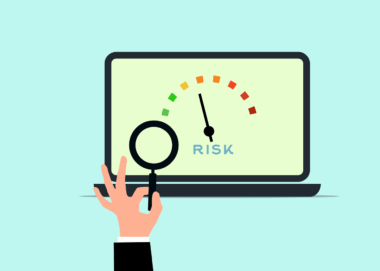

Data Risk Management: Essential Strategies for Financial Institutions
In today’s fast-paced financial landscape, data risk management has become a crucial priority for institutions worldwide. Financial organizations are increasingly reliant on vast amounts of data to conduct operations, make decisions, and maintain customer trust. As threats to data integrity and security proliferate, financial institutions must develop comprehensive strategies that address these risks. Effective data risk management should involve identifying potential vulnerabilities, implementing protective measures, and ensuring compliance with industry regulations. Moreover, fostering a culture of risk awareness among employees is essential to mitigate human errors that can lead to data breaches. Financial institutions need to not only protect their data but also to actively manage risks to build resilience. The increasing sophistication of cyber threats requires organizations to stay ahead of potential risks. Financial institutions must leverage advanced technologies, such as artificial intelligence and machine learning, to enhance their data risk management frameworks. In addition to technology, developing strong partnerships with cybersecurity firms can help tailor solutions that fit the unique needs of the institution. Empowering teams with knowledge and tools is vital for safeguarding sensitive information while providing client assurance.
To build a robust data risk management framework, financial institutions must first understand the different types of data they handle. This includes customer information, transaction records, regulatory compliance data, and more. Each category carries its own set of risks and requires attention to detail in managing security. Institutions should conduct regular risk assessments to evaluate data vulnerabilities and identify the necessary controls and safeguards. Organizations often benefit from adopting a tiered approach to data classification, allowing them to assign varying levels of protection based on data sensitivity. Proper training for employees is also crucial, ensuring they understand data handling practices. It promotes awareness of cybersecurity threats, such as phishing and insider threats. Moreover, it encourages the use of strong passwords, regular updates, and secure file sharing practices. Collaboration with IT security professionals to set guidelines is essential. Financial institutions should also consider establishing a data incident response team. This team would act swiftly should a data breach occur, minimizing damage and ensuring a comprehensive review afterwards. Continuous improvement of the data risk management framework is vital, adapting to emerging threats that accompany technological advancements.
Regulatory Compliance in Data Risk Management
Regulatory compliance plays a pivotal role in data risk management for financial institutions. Regulators establish guidelines to safeguard consumer data and ensure transparency while minimizing risks. Institutions must remain vigilant in complying with laws such as the General Data Protection Regulation (GDPR), the Payment Card Industry Data Security Standard (PCI DSS), and the Gramm-Leach-Bliley Act (GLBA). These regulations necessitate adequate security measures, including encryption, access controls, and audit logs. Violations can lead to heavy fines and severe reputational damage. Therefore, organizations should regularly review and update their compliance frameworks to address data management needs. In addition to adhering to regulations, financial institutions should embrace proactive compliance strategies to stay ahead of the curve. Monitoring changes in regulatory requirements will help ensure the institution adapts quickly. Data audits and assessments can uncover gaps, fostering a culture of accountability. By maintaining compliance, financial institutions not only protect themselves from potential liabilities, but they also instill customer confidence. Customers are more likely to trust institutions that prioritize data protection and demonstrate a commitment to responsible data management. A strong compliance strategy ultimately enhances the institution’s reputation in the market.
Another critical aspect of data risk management in financial institutions involves the creation of effective governance structures. Establishing clear roles and responsibilities ensures that data governance aligns with the overall business strategy. It is essential to have dedicated teams responsible for data management, ensuring that they work collaboratively across departments. C-suite executives, especially the Chief Data Officer (CDO), should play a proactive role in championing data risk initiatives. Regular meetings and communication across these teams will promote synergy and help identify emerging data risks promptly. Additionally, institutions should adopt standardized policies and procedures to streamline data management practices. This includes enforceable guidelines on data usage, data disposal, and data sharing. By fostering an environment of accountability and compliance, institutions can effectively manage risks. Another focus area is developing a strong vendor management program. Third-party relationships pose unique challenges and can introduce risks into an organization’s data ecosystem. Financial institutions must evaluate their vendors’ data management practices and ensure they align with the institution’s compliance obligations. Developing regular assessments will keep external risks in check while maintaining a secure data environment.
Leveraging Technology for Data Risk Management
Incorporating technology into data risk management strategies is essential for financial institutions to enhance their capabilities. Emerging technologies enable organizations to monitor data usage and detect anomalies in real-time, allowing for swift responses to potential threats. Tools like data loss prevention (DLP) software, encryption technologies, and access management solutions must be part of every comprehensive plan. Employing artificial intelligence and machine learning allows institutions to automate threat detection and decrease the response time to incidents. Furthermore, integrating technology provides analytics capabilities to assess the overall effectiveness of the risk management framework. This type of analysis can identify trends and inform decision-making processes, ensuring that strategies remain robust and relevant. Instituting a security information and event management (SIEM) system can offer deep insight into network activities, facilitating a proactive approach to threat identification and mitigation. Another technological enhancement is utilizing cloud services, which require strict data security protocols to protect sensitive information stored offsite. It is vital for institutions to work closely with their IT departments to ensure that cybersecurity measures keep pace with the rapid evolution of technology and cyber threats.
Financial institutions must also focus on stakeholder communication in their data risk management strategies. Engaging with stakeholders, including customers, employees, partners, and regulators, enhances transparency and reinforces trust. Institutions can use clear communication channels to relay key messages regarding data protection measures and incident response protocols. Regular updates regarding policies, procedures, and outcomes of audits will further cement this trust. Developing a customer-centric approach may involve direct feedback mechanisms to understand clients’ concerns about data security. Organizations may also conduct workshops and training sessions for employees, fostering a culture of accountability within the institution. Furthermore, building strong partnerships with regulatory bodies, industry associations, and cybersecurity experts creates valuable resources in staying informed about evolving risks. By collaborating effectively, stakeholders can share best practices and resources in addressing emerging data risks. Proactive engagement enhances the institution’s reputation as a responsible steward of customer data. Ultimately, a well-executed communication strategy will contribute significantly to the overall success of data risk management efforts. Empowering stakeholders through knowledge lays the groundwork for lasting relationships built on confidence.
Future Trends in Data Risk Management
Looking ahead, data risk management must evolve to keep pace with the shifting technological landscape. Financial institutions will increasingly rely on digital solutions, raising new data security challenges that require agile responses. The rise of decentralized finance (DeFi) and digital currencies brings unique risks, necessitating a reevaluation of existing risk management strategies. In addition, the growing utilization of big data and analytics leads to heightened scrutiny over privacy and compliance. Financial institutions must address the complexities of customer data handling in this dynamic environment. Moreover, as the Internet of Things (IoT) expands, it introduces various risks from connected devices. Institutions must understand the vulnerabilities tied to these devices in their risk management strategies. Machine learning will continue to play a pivotal role in predicting potential threats and fortifying defenses. Finally, organizations should prioritize continuous learning and adaptation in their data risk management practices. Staying informed about emerging risks, technologies, and regulations ensures financial institutions remain resilient against evolving challenges. A proactive and adaptive approach guarantees a strong foundation for data integrity, customer trust, and overall organizational success.
Instituting regular evaluations and enhancements to data risk management practices ensures that they evolve alongside changing market conditions. A forward-thinking strategy will prepare financial institutions to navigate the complexities of the data landscape successfully. Furthermore, the integration of data risk management into overall business strategy will ensure consistency across departments, promoting a culture of responsibility among employees. Continuous training initiatives can empower teams, offering them the knowledge and skills to handle data-related issues effectively.