
Tips for Efficient Packaging and Labeling for Export
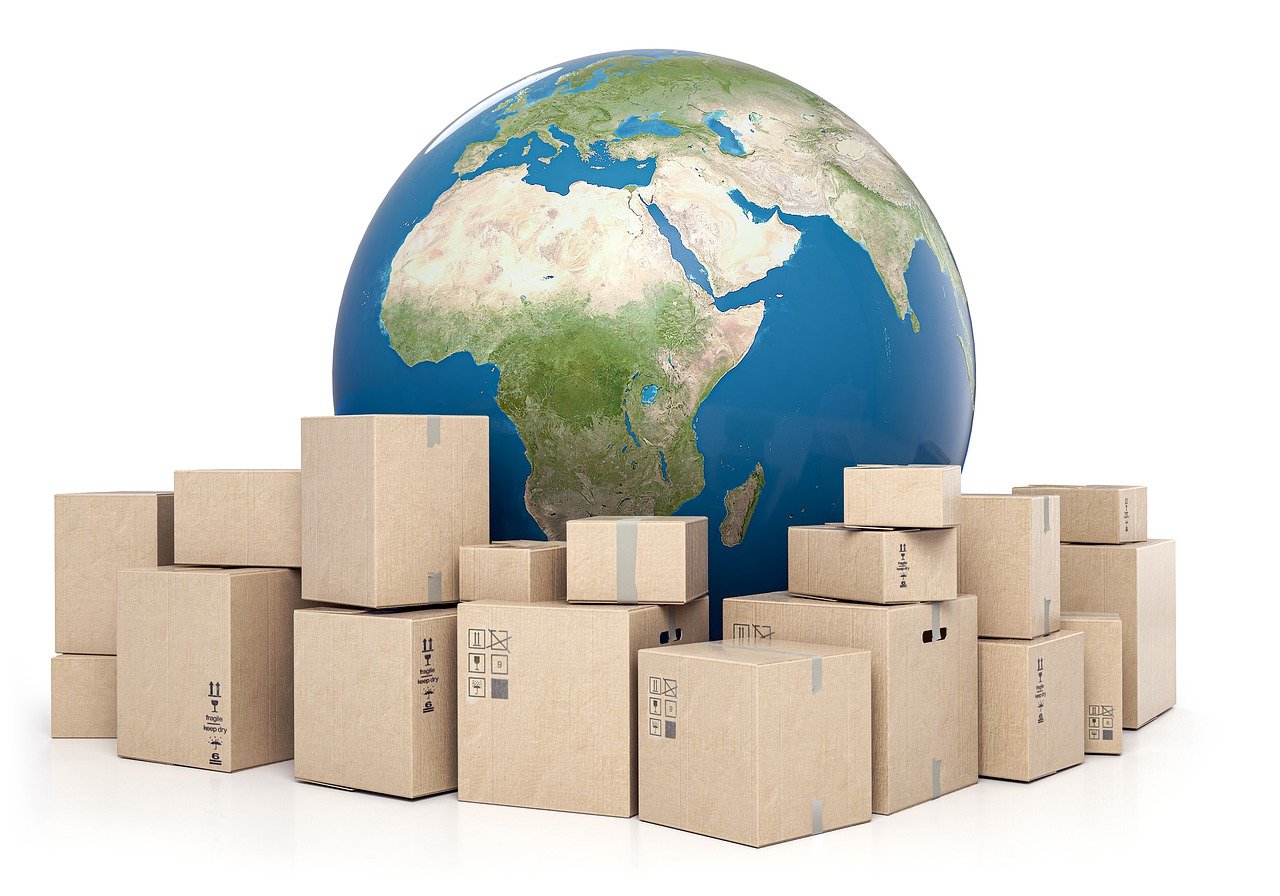
Effective packaging is a crucial part of international trade, especially in the import-export business. Proper packaging ensures that products reach their destination without damage, making it an essential consideration for exporters. When packaging products for export, always consider the mode of transportation. For instance, air transport requires lighter and more compact packaging, whereas sea shipping allows for bulkier containers. Utilizing materials that are durable yet lightweight can further enhance shipping efficiency, reducing transport costs. It’s also wise to conduct tests on package durability under varying conditions to ensure your products withstand the rigors of shipping. Moreover, a well-packaged product can improve customer satisfaction, which can result in repeat business. Choosing the right packaging materials not only protects the product but also reflects positively on your brand. Consider eco-friendly options that can improve your company’s image and appeal to an increasingly environmentally-conscious consumer base. Collaborating with reliable packaging suppliers who understand your product’s needs can streamline this process. Be proactive in vetting suppliers, ensuring they provide quality materials that can enhance your product presentation and overall customer experience.
The Importance of Labeling
Labeling is as critical as packaging in the export process, serving numerous functions that include compliance with regulations and effective communication with customers. Adhering to international labeling standards is vital, as incorrect labels can lead to delays, fines, or confiscation of products. Ensure that labels are clear, concise, and include all necessary information such as the product name, country of origin, and the manufacturer’s details. Symbols indicating handling requirements or hazards are also essential to prevent mishandling during shipment. Use high-quality printing methods to ensure that labels remain legible throughout the transportation process. Also, consider multilingual labeling to cater to diverse global markets; this demonstrates respect for your customers and enhances brand reputation. Utilizing QR codes or NFC technology can provide additional product details and promote interactivity. Consistency in your branding across packaging and labeling strengthens brand recognition, providing a professional image. Furthermore, investing in quality labels can help increase product visibility and appeal. Regularly updating labels to comply with changing regulations and consumer demands can also ensure ongoing success in the ever-evolving international marketplace.
Proper cushioning inside the package protects products from impact and movement during shipping. Using materials like bubble wrap, foam, or packing peanuts can effectively absorb shock. Additionally, a snug fit within the packaging minimizes potential damage during transit. Don’t overlook the significance of securing packages with quality tape; this simple yet effective method helps keep the contents safe. Make sure to reinforce corners and edges, which are the most vulnerable points. It’s crucial to weigh and measure your packaged products accurately, as proper weight and dimensions prevent unexpected shipping charges and delays. Consider the environmental impact of your packaging choices; consumers notice and appreciate sustainable practices. Explore biodegradable options or recycled materials that still provide durability and protection. Always label packages clearly with direction indicators to avoid mishaps. Implementing all these steps in packaging ensures that customers receive their orders in excellent condition, enhancing satisfaction and promoting your business reputation. Regularly reviewing and updating your packaging methods based on industry trends helps maintain a competitive edge. Efficiency in packaging not only benefits your customers but also enhances operational workflow and reduces overall costs.
Incorporating technology can significantly enhance your packaging and labeling processes. Utilizing automated packaging systems can increase efficiency and consistency while reducing labor costs. Software solutions can streamline the labeling process by managing inventory and integrating with shipping platforms. This allows for real-time tracking and reduces errors during the shipment process. Additionally, investing in high-quality printers specifically designed for labels can ensure clarity and durability, even under stress. Employing smart packaging technologies, such as temperature indicators or RFID tags, adds value to your offerings by providing customers with real-time data about their products. Tracking shipment conditions provides reassurance and fosters customer trust. Engaging with logistics partners that embrace technology can enhance your overall distribution capabilities. In an increasingly tech-driven world, your packaging strategy should evolve accordingly to stay relevant. Consumers are becoming more aware of advancements in technology and its integration into everyday products. Showcasing these innovative practices can set your business apart in a crowded market. Understanding the specific needs of each market segment can help tailor your packaging and labeling strategies appropriately.
When exporting fragile products, special care must be taken during both the packaging and labeling phases. Fragile items require extra cushioning and robust outer packaging to minimize the risk of damage. Using specific labeling, such as “Handle With Care” or “This Side Up,” informs handlers of the additional precautions necessary for safe transport. It’s wise to conduct a thorough risk assessment of fragile items to understand which materials provide the most effective protection. Consider adding shock indicators that notify upon impact, ensuring that any damages can be traced and addressed. Offering detailed handling instructions on the package can further enhance safety. From custom-sized boxes to extra cushioning materials, spend time considering which packaging methods work best for delicate shipments. Proper documentation, including insurance coverage for fragile goods, can safeguard against potential losses during transit. Emphasize the importance of training staff on packaging protocols to reduce human error. Additionally, sending out samples to your logistics partners to ascertain handling proficiency can promote smoother operational processes. Overall, a meticulous approach will help protect your fragile products and foster customer trust through guaranteed delivery.
To address the growing concerns over sustainability in international trade, it’s essential to optimize your packaging for eco-friendliness. Evaluate your materials carefully and choose recyclable or biodegradable options whenever possible. Packaging made from post-consumer materials reduces reliance on new resources, appealing to environmentally conscious consumers. Furthermore, optimizing package sizes helps minimize waste and reduces transportation costs, leading to a smaller carbon footprint. Working with suppliers dedicated to sustainability can enhance your brand reputation and establish customer loyalty. In addition to materials, assess the entire supply chain for inefficiencies that contribute to unnecessary waste. Proper training for staff regarding sustainable practices ensures everyone understands their role in this goal. Marketing your commitment to sustainability can attract a broader consumer base that aligns with environmental values. Consider creating a transparent supply chain, sharing your sustainability efforts with consumers to enhance brand loyalty. Regularly revisiting your packaging strategies to comply with evolving environmental regulations will keep you ahead of competitors. Sustainable practice not only aids in compliance but contributes to overall profitability by reducing costs in the long term. Ultimately, a well-thought-out approach will benefit both the planet and your business.
Finally, constantly reviewing and testing your packaging and labeling strategies will ensure ongoing success in the export market. Engaging in regular feedback sessions with customers can provide invaluable insights into areas needing improvement. Conducting market research can also highlight emerging trends and innovations essential for your packaging strategy. Be open to experimenting with new materials and technology that may enhance the customer experience. Testing packaging in real-world shipping environments allows for practical adjustments before launching products into international markets. Attending trade shows and industry events offers opportunities to observe competitors and learn best practices. Partnering with logistics experts can further streamline the export process, as they can provide expertise on packaging and labeling regulations across different countries. Always emphasize the importance of accurate information on labels to avoid customs issues and delays. Several online resources are available to aid in understanding specific country regulations. Creating a checklist for packaging requirements can facilitate compliance and improve organizational efficiency. By adopting an adaptive approach to packaging and labeling, you can ensure your products reach international markets effectively, fulfilling the demands of global customers while maintaining quality and brand integrity.
In conclusion, effective packaging and labeling significantly influence the success of your export business. Prioritize methods that enhance product protection while ensuring sustainable practices. By considering factors such as transportation methods, packaging materials, and technology integration, you can create a comprehensive strategy that meets regulatory requirements and customer expectations. Recognizing the importance of training and collaboration with suppliers and logistics partners will further solidify your operational foundation. Continuous learning and adaptation to market trends will ensure your business remains competitive in the ever-evolving landscape of international trade. Ultimately, finding the right balance between cost-efficiency and quality will build lasting relationships with your clients and enhance your business reputation. As you refine your processes and explore innovative solutions, remember that great packaging and labeling do more than protect products; they convey your brand’s commitment to quality and sustainability. With diligent attention to detail, your export business can flourish, reaching new heights of success while exceeding customer satisfaction. Embrace the journey of ensuring that every aspect of your packaging and labeling reflects the values of your brand. In a globalized economy, efficient packaging and labeling can distinguish your products in a crowded marketplace.