
Secure Data Access Controls for Financial Institutions
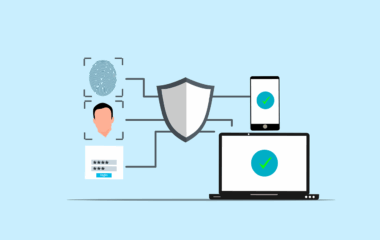
Financial institutions operate with the utmost need for secure customer data management. The exponential growth of cyber threats necessitates stringent data access controls. Effectively implemented access controls not only mitigate risks but also serve to comply with various regulatory frameworks. A robust data security strategy includes well-defined user roles and permissions. These roles should align with job responsibilities to ensure only authorized individuals can access sensitive data. Furthermore, adopting a need-to-know basis greatly minimizes unnecessary exposure to personal customer information. Institutions should routinely audit access logs to identify any anomalies. A proactive monitoring system can help detect potential breaches in real-time. Moreover, technologies such as multi-factor authentication (MFA) add an additional layer of security. This ensures that even if credentials are compromised, unauthorized access can still be thwarted. Financial institutions must prioritize regular employee training in security best practices. Educated staff can act as critical lines of defense against social engineering attacks, reinforcing the need for a security-conscious culture. By integrating these access control strategies, institutions can safeguard customer data, build trust, and ultimately ensure a secure banking environment.
Another critical aspect of secure customer data management is implementing strong encryption practices. Data should be encrypted both at rest and in transit, thus ensuring that customer information remains confidential and secure. Encryption protocols, such as AES, provide robust security measures that can thwart unauthorized access. Moreover, institutions must ensure that keys are managed securely to avoid potential vulnerabilities. Secure key management practices include using hardware security modules (HSMs) and regularly rotating encryption keys to minimize risks. Regulatory guidelines often require financial institutions to encrypt sensitive data, making it not just a best practice but a necessity. Furthermore, maintaining updated encryption standards and patching any vulnerabilities is essential for staying ahead of cyber threats. Continuous assessment of encryption methods helps ensure that they remain effective against emerging threats. Additionally, institutions should conduct regular training sessions for employees on the importance of encryption and its implementation. This fosters a culture where data security is a shared responsibility. By emphasizing strong encryption practices, financial institutions can significantly improve their data security and protect customer trust in an increasingly digital landscape.
Integrating Advanced Security Technologies
Integrating advanced security technologies is vital for maintaining the integrity of customer data in banking sectors. Utilizing artificial intelligence (AI) and machine learning can greatly enhance security measures. These technologies can analyze transactional data in real-time, identifying unusual patterns that may indicate fraudulent activities. By leveraging AI, financial institutions can significantly reduce false positives, thereby improving user experience and operational efficiency. Implementing biometric security measures, such as fingerprint or facial recognition, also strengthens access controls. These methods provide a more secure alternative to traditional password-based systems. Cloud-based solutions can also offer scalable security options, allowing institutions to adapt quickly to changing security landscapes. Furthermore, employing data loss prevention (DLP) technologies can help identify and protect sensitive data from unauthorized sharing or breaches. DLP systems can monitor data in use, motion, and at rest, providing a comprehensive approach to securing customer information. Regular system updates and patches are essential to safeguard against newly discovered vulnerabilities. Integrating these advanced security technologies ensures that customer data remains secure while enhancing overall security posture effectively.
Regular security assessments are crucial for maintaining robust data security in financial institutions. Engaging in penetration testing and vulnerability assessments helps identify potential weaknesses within the system. These proactive measures can detect vulnerabilities before they are exploited by malicious actors. Conducting security assessments should be a routine part of an institution’s security strategy, allowing for continual improvement. Collaborating with third-party security experts can provide fresh perspectives and insights regarding security practices. These experts can assist in refining access controls and recommend industry standards for improved security measures. Moreover, regulatory compliance audits are essential for ensuring adherence to regulations such as GDPR or PCI DSS. These audits not only serve to enhance security but also build customer trust. Institutions should maintain comprehensive records of security assessments and remediation steps taken to address identified issues. Regular updates and transparent communication about security practices with stakeholders can further reinforce trust. Ultimately, a commitment to regular security assessments aids in creating a resilient banking environment that can protect customer data against evolving threats.
Employee Awareness and Training
The role of employees in securing customer data cannot be understated. Proper training and awareness programs are vital for safeguarding sensitive information. Employees are often the first line of defense against data breaches, making their understanding of security protocols crucial. Institutions should implement comprehensive training programs covering topics like phishing awareness and secure password practices. Regular workshops and simulated phishing attacks can reinforce these concepts, ensuring that employees are prepared for real-world scenarios. A culture of security awareness helps build a vigilant workforce capable of spotting potential threats. Rewarding good security practices among employees fosters a sense of responsibility and engagement. Institutions must also establish clear communication channels for reporting security concerns. This encourages prompt reporting of suspicious activities that could compromise data security. Additionally, having an incident response plan in place ensures that employees know how to react if a breach occurs. Regularly revisiting training materials and updating them based on the latest threats reinforces the institution’s commitment to data security. Empowered with knowledge, employees can effectively contribute to maintaining secure customer data management.
Technology is constantly evolving, and financial institutions must stay ahead of the curve regarding data security. Implementing an adaptive security architecture will aid in addressing the complexities of securing customer data. This approach allows institutions to build robust security measures that evolve alongside emerging threats. Furthermore, incorporating threat intelligence enables proactive identification of vulnerabilities and risks. Financial institutions should collaborate with cybersecurity firms to gain detailed insights into threat landscapes. This collaboration can greatly improve the institution’s ability to defend against sophisticated attacks. Regular updates to security policies are also necessary to accommodate new technology trends and threat models. Investing in security automation tools can help streamline processes and reduce the potential for human errors. Moreover, creating redundancy in data storage can prevent data loss, even during a breach. In the event of a breach, having incident response protocols that include regular cybersecurity drills ensures the organization is prepared to respond swiftly and effectively. By promoting a culture of ongoing improvement and adaptation, financial institutions can effectively enhance their data security measures, ensuring secure customer management.
Compliance and Regulatory Requirements
Finally, compliance with regulatory requirements establishes a foundational framework for secure data access controls. Financial institutions face numerous regulations, including GDPR, HIPAA, and PCI DSS, that dictate how customer data is managed. Adhering to these regulations is paramount not only for legal accountability but also for maintaining trust with customers. Conducting regular compliance audits ensures that security measures are effective and aligned with current laws. This process should include reviewing policies and procedures against regulatory demands. Failing to comply with regulations can result in significant penalties, harming not only the institution’s reputation but its finances as well. Furthermore, engaging legal experts in data privacy can clarify obligations under various regulations, offering added assurance for compliance efforts. Institutions should also educate employees about their role in adhering to these regulations through targeted training programs. Transparency with customers regarding data use and privacy policies fosters trust and loyalty. A proactive approach to compliance ensures not just adherence to laws but also promotes best practices in data security, benefiting both the institution and its clients significantly.
Moreover, establishing a dedicated compliance team can help oversee data management strategies. This team should stay informed about evolving regulatory frameworks and propose necessary adjustments to existing practices. Regular updates to privacy policies reflecting changes in regulations indicate the institution’s commitment to customer rights. By prioritizing compliance, financial institutions can reduce vulnerabilities that lead to data breaches. Creating a culture of compliance also encourages employee responsibility, reinforcing data security at every level. Regular engagement with external regulatory bodies can provide valuable insights into industry trends and changes. Continuous improvement in compliance practices ensures that institutions remain agile and responsive to the dynamic security environment. By combining technology, employee training, and regulatory compliance, financial institutions can build a robust framework for secure customer data management.