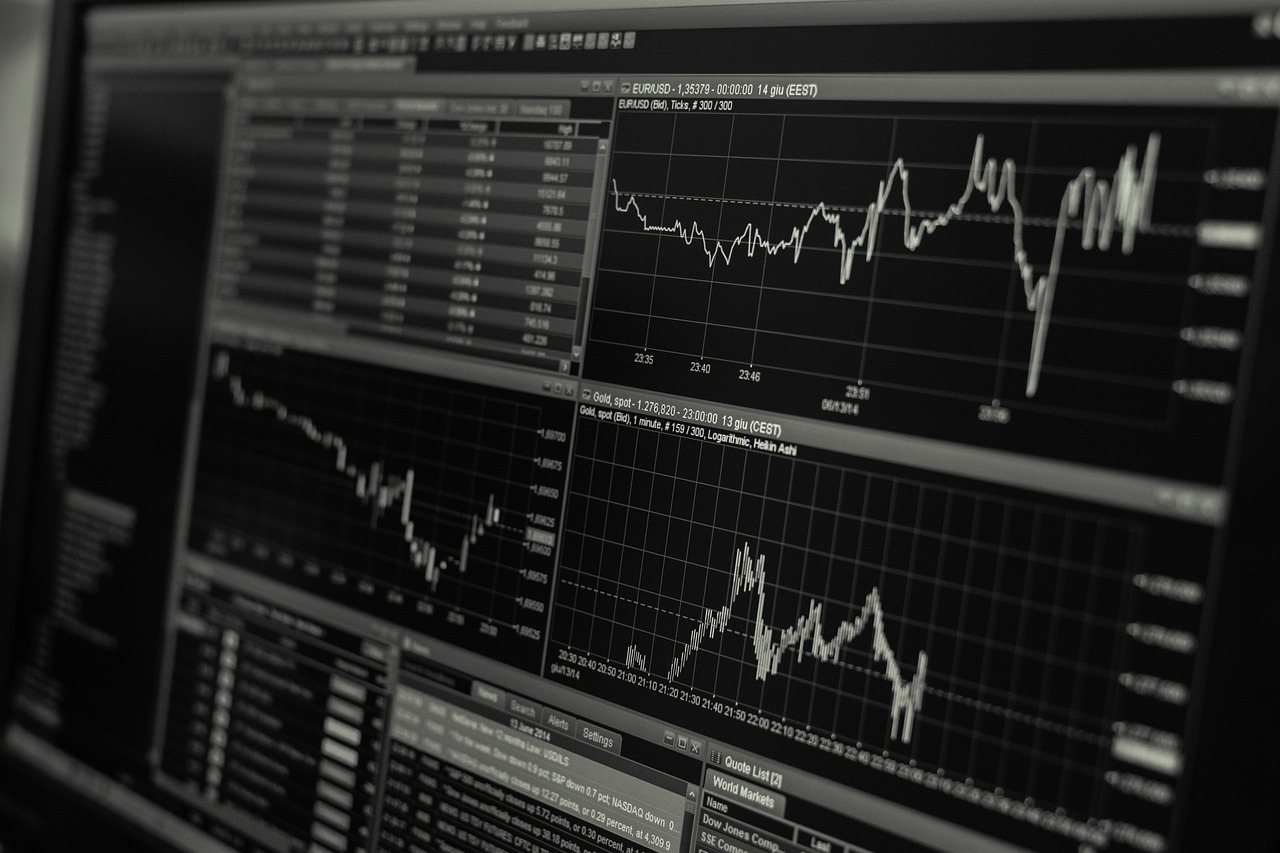

Market Indices and Their Role in Economic Indicators
Market indices are essential tools for investors and economists, providing a snapshot of market performance at any given moment. They represent a selection of stocks and can be categorized based on various criteria such as size, industry, or geographic area. The most recognized indices include the S&P 500, the Dow Jones Industrial Average, and the NASDAQ Composite. Each of these indices reflects the performance of a specific segment of the market, thereby helping investors gauge overall economic health. For example, a rising index might suggest increased investor confidence, while a declining index can indicate economic uncertainty. Analysts closely watch movement in these indices to predict potential trends in the economy, assisting policymakers in making informed decisions. The construction of these indices relies on complex methodologies that consider corporate earnings, market capitalization, and trading volumes. Understanding these nuances can enhance investor strategy and risk assessment in financial markets. By monitoring the movements of these indices, stakeholders can better align their investment strategies with broader economic indicators, allowing for improved financial planning and decision-making.
One crucial aspect of market indices is that they serve as benchmarks for mutual funds and exchange-traded funds (ETFs). These investment vehicles often aim to replicate the performance of a particular index, making it easier for investors to diversify their portfolios without picking individual stocks. Fund managers use these benchmarks to gauge their performance against the overall market, enabling effective evaluation of their investment strategies. In the long run, indexing often proves to be a cost-effective method for investors looking for consistent returns without the complexities associated with active management. Notable benefits include lower expense ratios and minimal capital gains distributions, making them tax-efficient compared to actively managed funds. Index funds typically follow a passive management approach, requiring less frequent trading, which can help minimize transaction costs. This simplicity appeals to new investors, providing an accessible way into the stock market while reducing risks associated with stock picking. Overall, market indices thus play a critical role in establishing standards for fund performance, subsequently influencing investor decisions and market trends.
Types of Market Indices
Market indices can be classified into several types, each serving a unique purpose in the finance world. Broad market indices encompass a wide array of stocks, representing the entire stock market, such as the Wilshire 5000. Sector indices focus on specific industries, allowing investors to analyze performance across sectors like technology, healthcare, or energy. Size-based indices categorize stocks according to market capitalization, where large-cap, mid-cap, and small-cap indices help investors gauge company performances. Global indices, like the MSCI World Index, encompass multinational stocks, giving insights into economic performance across multiple countries. Each type functions as a vital tool for investors, offering different perspectives and insights based on market movements. Growth indices specifically track companies expected to grow at an above-average rate compared to their sector, while value indices focus on undervalued stocks that could yield positive returns. By understanding these distinctions, investors can better tailor their strategies to harness potential opportunities fully. Ultimately, the diversity of market indices allows for greater flexibility when tracking financial performance and making investment decisions.
Market indices are often paralleled by various economic indicators, such as Gross Domestic Product (GDP), unemployment rates, and inflation levels. These indicators can either reinforce or contradict the messages conveyed by indices, providing a more comprehensive picture of economic health. When investors observe a bull market reflected in indices but simultaneously notice rising unemployment, they may recalibrate their investment strategies. Alternatively, during times of recession, indices may show volatility, while economic indicators like consumer spending may remain stable. By integrating data from indices and macroeconomic indicators, investors can better forecast financial outcomes as they relate to broader economic conditions. This synergy empowers companies to make data-drive decisions, aimed at optimizing growth. Policymakers also benefit from this interconnected analysis, allowing them to enact financial and fiscal policies that may stimulate the economy. Consequently, thriving economies typically see robust performance in market indices, whereas economic downturns correlate with declining indices. Understanding the relationship between indices and economic indicators is fundamental, enabling stakeholders to make informed financial decisions.
The Impact of Global Events
Global events such as geopolitical tensions, natural disasters, and pandemics can significantly influence market indices, resulting in abrupt market fluctuations. For instance, events like the COVID-19 pandemic caused unprecedented volatility, leading indices to experience drastic declines. This level of unpredictability often forces investors to reassess their portfolios rapidly, considering risk management strategies. In contrast, positive global developments, such as trade agreements or economic stimuli, can result in surges within market indices, as investor confidence typically heightens. Understanding how indices react to these global developments is essential for investors aiming to swiftly pivot their strategies. Moreover, indices can serve as reflection points, showcasing how investor sentiment is affected by outside influences and media coverage. It’s crucial for market participants to stay updated on global news and events, as these can directly impact investment outcomes. Investors should remain aware of their sectors and the potential implications of major happenings. By incorporating global perspectives, investors can enhance their decision-making processes, ultimately contributing to better long-term investment outcomes.
Trading volumes associated with market indices further add layers of analysis for investors. High trading volumes can indicate significant market interest or confidence, while low volumes can suggest caution. Volume analysis complements price data, allowing for a broader understanding of market dynamics. Investors may look to volume trends to inform their decisions, using it to confirm price movements or detect reversals. Additionally, the correlation between price and volume helps gauge the strength of a price movement, suggesting whether it is sustainable or likely to reverse. Technical analysts often combine volume with price action, employing various tools and indicators to visualize market patterns. Understanding the importance of trading volumes is crucial for avoiding false signals, making it a vital component of market analysis. Awareness of this relationship can enhance trading strategies, ensuring that participants make more informed decisions. Ultimately, analyzing both price movements and trading volumes helps discerning investors recognize market sentiment on a deeper level, equipping them to react appropriately to shifts occurring within indices.
Conclusion
In summary, market indices serve as essential barometers for both investors and policymakers looking to navigate the complexities of global markets. They provide insights into market performance and help highlight trends and economic sentiments. Understanding how indices operate in conjunction with various economic indicators allows stakeholders to make informed financial decisions. Moreover, the impact of global events and trading volumes plays a pivotal role in shaping investor strategies. By paying close attention to these dimensions, participants can enhance their market understanding and improve their investment outcomes. As the global economy continues to evolve, so too will the functions and roles of market indices, making ongoing education a necessity for investors. Staying abreast of trends in market indices can help investors recognize potential risks and opportunities, aligning their strategies to prevailing economic conditions. Ultimately, this knowledge forms the foundation for sound investment decision-making, creating value and steady growth over time. Therefore, continuous engagement with market indices is indispensable in today’s fast-paced financial environment, offering avenues for navigating investment opportunities.
Continuous engagement with market indices is indispensable in today’s fast-paced financial environment, offering avenues for navigating investment opportunities.