
Cross-Industry Comparison of Performance Management Software Effectiveness
Performance management software is essential for organizations looking to optimize their employees’ output and maintain organizational efficiency. With various tools available, evaluating their effectiveness across industries becomes vital. This includes examining key features, user interfaces, integration capabilities, and overall adaptability. Each sector may prioritize different functionalities based on specific needs, such as technology, healthcare, or manufacturing. Conducting a thorough comparison reveals noticeable strengths and weaknesses in tools ranging from SAP SuccessFactors to smaller and more niche solutions. Moreover, understanding how different sectors have benefited from these platforms can guide companies in selecting appropriate tools. Organizations require software that helps set realistic performance goals, track progress, and provide actionable insights. A better understanding of performance management solutions can foster alignment among team members and boost morale by recognizing individual contributions. Evaluating strengths and weaknesses can help businesses understand which functionalities will serve them best. Ultimately, the right performance management tool can enhance workforce productivity and lead to overall success, making it imperative for firms to make informed choices for their unique business environments.
The effectiveness of performance management tools often varies fundamentally across different sectors. For example, a performance management tool suitable for a tech startup may not necessarily address the needs of a highly regulated environment like healthcare. It’s crucial for organizations to customize these tools based on their requirements. Factors such as compliance needs, industry-specific KPIs, and user engagement significantly influence how well these systems perform. Moreover, some tools excel in employee engagement features, while others are geared towards comprehensive data analytics. To maximize the benefits of performance management tools, it’s essential for organizations to conduct thorough research and pilot programs. This will allow them to identify what works best for their structures. Organizations should also consider user feedback and stay updated with industry trends. Regularly revisiting the chosen software helps in adjusting to any operational shifts. In summary, investing in the right performance management tool requires a clear understanding of the specific demands of the specific industry you are operating within, ensuring that the tool implemented generates meaningful results over time and encourages employee growth, engagement, and development.
Comparative Analysis of Popular Performance Management Tools
Some well-regarded performance management tools include Lattice, Workday, and 15Five. Each brings unique attributes to the table, allowing organizations to choose according to their own specific performance evaluation needs. Lattice stands out for its user-friendly interface and features that encourage ongoing feedback and coaching. Its focus on employee growth and well-being aligns with modern HR practices. In contrast, Workday provides robust analytics and integrates well with financial management systems, making it ideal for larger enterprises. On the other hand, 15Five emphasizes employee engagement with check-in features that promote continuous communication. Understanding the strengths of these tools can significantly enhance organizational decision-making processes. Reviews and testimonials play a crucial role in guiding organizations toward their optimal selection. However, companies need to evaluate the specific functionalities needed and how they align with company culture. If employee engagement is a top priority, Lattice may serve better. For extensive data usage, Workday could be the best fit. Finally, budget considerations also play a critical role in selecting a suitable performance management tool while exploring potential features offered by each option available in the marketplace.
Moreover, the integration capabilities of performance management software play a crucial role in selecting the right tool. Companies must ensure that the tool chosen can seamlessly integrate with existing HR systems and technologies. This prevents unnecessary complications and data silos, facilitating a smoother transition between various business processes. The ability to share data among platforms enhances the overall effectiveness of performance reviews, employee engagement activities, and development plans. Furthermore, mobile accessibility is becoming increasingly important, allowing remote employees to engage with performance processes actively. Many modern apps offer performance management functionalities designed specifically for mobile use, increasing engagement across the organization. It helps to create a culture of performance feedback and continuous improvement, which benefits both employees and employers. Ultimately, the integration of robust performance management tools can streamline administrative workloads and allow HR teams to focus on strategic initiatives that drive overall business performance. Understanding the degree of compatibility with other systems is critical in ensuring that organizations harness the full potential of performance management solutions in use.
The Importance of Customization in Performance Management
Customization of performance management tools is essential for maximizing their effectiveness. Each organization possesses unique culture and structures that drive performance outcomes. The capacity to customize software according to specific team goals, potential, and performance indicators helps align individual aspirations with organizational objectives. Some tools offer extensive customization options, allowing companies to set tailored evaluation metrics and feedback forms. In doing so, organizations can ensure that all employees understand expectations and have clarity regarding their roles in achieving company goals. Customization not only enhances user satisfaction but also promotes a sense of ownership among employees. Engaged employees become more productive when they feel their contributions matter in driving the organization forward. Utilizing customized performance management tools enhances accountability and creates more meaningful performance assessments. As organizations navigate their own paths toward performance excellence, they must prioritize their customization strategies while selecting a compatible tool that reflects company culture. This approach leads to measurable improvements in performance outcomes, making performance management software a critical aspect of workforce management that businesses must not overlook.
In addition, organizations should ensure they invest in ongoing training and support for users of performance management tools. Having capable platforms is only one aspect of ensuring success; the other component lies in effective implementation and user engagement. Many companies fail to utilize their systems fully due to insufficient training or a lack of understanding about the available features. Building a culture where employees are encouraged to utilize feedback mechanisms is crucial to achieving high performance. Providing comprehensive training sessions and continuous support can break down barriers to adoption and drive home the value of these performance management systems. Consequently, organizations that foster a supportive environment promote better engagement with these tools. Employee resources such as manuals or quick reference guides assist in maximizing the adoption rates of performance management software solutions. Ultimately, the organizations that prioritize proper training, and ongoing support, coupled with effective tool selection, create a formidable framework for fostering a high-performance culture.
Evaluating the Success of Performance Management Tools
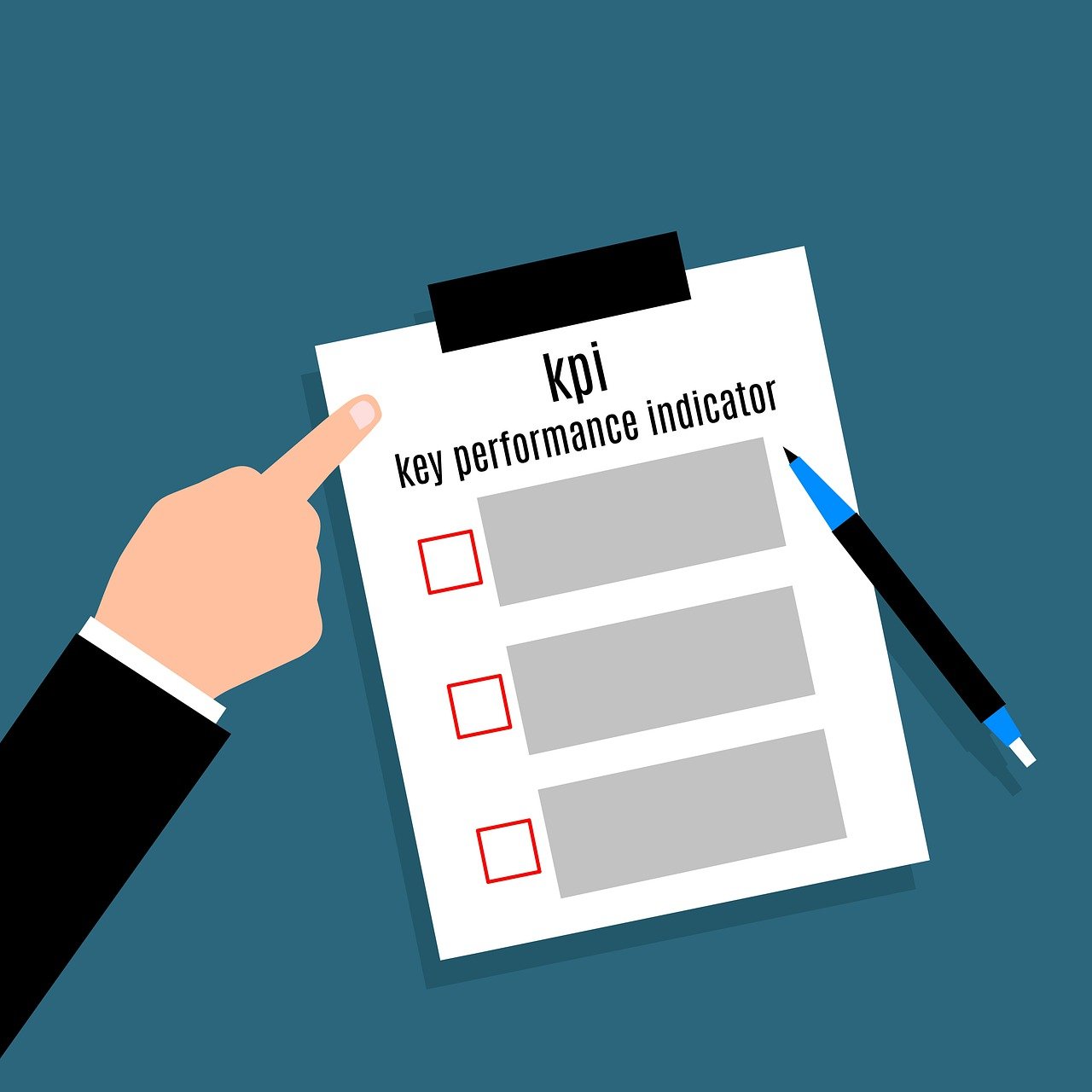
Evaluating the success of performance management tools requires systematic analysis following implementation. Organizations must assess how effectively these tools have contributed to achieving performance objectives and overall employee satisfaction. Key performance indicators (KPIs) can help gauge performance outcomes and identify areas for improvement. Metrics such as goal completion rates, employee engagement levels, and the quality of feedback provided can paint a complete picture of how the tools are performing. Analyzing feedback from employees regarding their experience with the tools can uncover valuable insights. Organizations should gather both quantitative data and qualitative feedback to interpret results accurately. Evaluative measures can reveal the positive impact of these tools on team morale and engagement. Regularly reviewing and refining tool performance helps organizations stay in line with evolving business needs. This adaptability helps not only to enhance the effectiveness of performance management systems but also to foster a resilient workforce. By keeping a finger on the pulse of performance management tool efficiency, organizations ensure their timely alignment with business objectives, employee engagement, and operational efficiency.
Through careful analysis of different performance management systems, companies can gain a competitive edge in their industries. Understanding weaknesses in existing processes allows organizations to make informed decisions about investing in new tools. Sector-specific adaptations and workforce needs significantly influence performance management systems’ overall effectiveness. Sound evaluation methods will provide organizations with opportunities to refine their approach, leading to more robust employee performance. Utilizing analytics can help identify trends regarding workplace behavior and performance, allowing organizations to address any emerging issues proactively. Ultimately, the long-term goal of investing in performance management software should revolve around enhancing not just employee productivity but also fostering an environment conducive to professional development. Companies should strive to remain agile and adaptive in their approach to performance management. This means continually refining and adapting their tools for the changing dynamics of their work culture. Most importantly, organizations excited about leveraging performance management systems must foster a culture of open communication and continuous feedback. This ensures that every team member feels valued, leading to sustainable growth and success for both the employee and the organization as a whole.