
Building an Effective Digital Marketing Funnel for Business Growth
In today’s fast-paced digital world, building an effective digital marketing funnel is vital for business growth. A strategic funnel helps in guiding potential customers from the awareness stage to making a purchase. Initially, businesses must concentrate on creating a strong online presence that attracts the target audience. Optimizing websites for search engines is a crucial tactic. Furthermore, integrating a content marketing approach can increase visibility and engagement. Local SEO plays a significant role as well, allowing businesses to reach local customers effectively. Social media platforms can also be utilized to create buzz and connect with audiences genuinely. Monitoring website traffic and user behavior using analytics allows for adjustments in strategies. Email marketing proves effective in nurturing leads, providing value through newsletters, offers, or exclusive content. Cumulatively, these elements work together to form a streamlined path to conversion, enhancing overall business growth. All stakeholders must understand the importance of each stage for optimal execution. Each segment should contribute to a clear objective, ultimately leading to higher return on investment and market share.
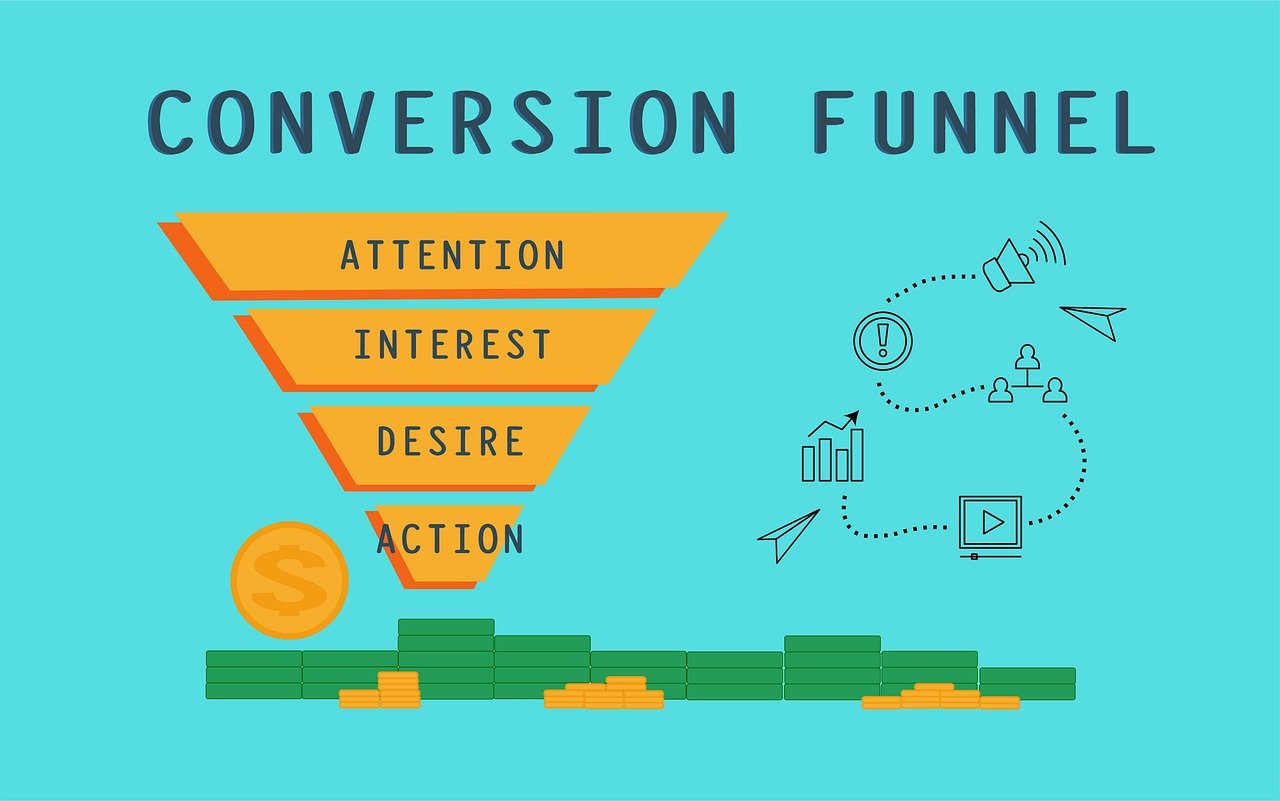
Understanding the stages of a digital marketing funnel can significantly impact overall strategy and success. The funnel generally consists of three main stages: awareness, consideration, and conversion. In the awareness stage, businesses should focus on attracting visitors to their content through compelling advertising. Providing interesting and informative content makes it more likely that visitors will engage and return. The consideration phase is where potential customers compare options, so providing them with adequate resources is paramount. Utilizing customer testimonials and case studies can significantly influence decisions during this phase. After consideration, the conversion stage is pivotal. This is where leads turn into customers, ideally through calls to action that encourage them to make a purchase. An optimized landing page increases chances for conversion significantly, ensuring a smooth transition from interest to action. Incorporating retargeting strategies can convert lost opportunities, reminding those interested about the products or services. A successful digital marketing funnel empowers businesses to seamlessly facilitate customer journeys. Understanding customer behavior across these stages can significantly improve sales and brand loyalty, translating strategic efforts into business success.
Creating Compelling Content for Each Stage
The success of a digital marketing funnel is deeply tied to the content utilized at each stage. Starting with the awareness stage, compelling content will engage users efficiently. Blog posts, social media updates, and informative videos can capture attention and spark interest. Infographics can simplify complex data, making information more accessible. During the consideration stage, more in-depth content is needed. E-books, comparison guides, and webinars can provide valuable insights. High-quality visuals and clear messaging will resonate with the audience, ensuring they see the company’s value. Satisfied customers can become brand advocates, sharing experiences through reviews or social media posts. As prospects transition to the conversion stage, persuasive content must close the deal. Landing pages should highlight benefits and provide strong calls to action. If applicable, offering free trials or discounts can aid decision-making. Even after conversion, it’s crucial to develop nurturing content. Post-purchase emails emphasizing customer satisfaction build lasting relationships. By delivering tailored content throughout the funnel, businesses can maintain engagement, unraveling more complex relationships between customers and their brands for sustained success.
Utilizing multiple channels to deliver content is essential for a well-rounded marketing approach. Virtual platforms such as email, social media, and search engines can ensure businesses reach their target audiences effectively. Each distribution channel requires tailored messaging to resonate with specific user preferences. For instance, LinkedIn may attract B2B clients, whereas Instagram is excellent for visually-driven marketing. Additionally, consistency across platforms builds brand identity, contributing to overall effectiveness. Employing techniques like A/B testing within each channel enables businesses to identify which approaches achieve better results. Collecting performance data allows for ongoing insights into customer behavior, adjusting strategies as necessary. By analyzing data gathered from various channels, marketers identify patterns that inform future content direction. At every stage of the funnel, social proof plays a significant role as well. User-generated content, reviews, and ratings can influence undecided customers. By integrating social proof throughout the funnel, prospects are reassured of their decisions, increasing conversion rates. Finally, leaving room for improvements is vital. Digital marketing is an iterative process that thrives on testing, adaptation, and commitment to innovation over time.
Measuring Success in Your Digital Marketing Funnel
After establishing a marketing funnel, measuring its success is crucial. Understanding key performance indicators (KPIs) will illuminate the funnel’s effectiveness. Common digital marketing metrics include traffic conversion rate, email open rates, and cost per acquisition. Monitoring these metrics over time helps businesses identify strengths and weaknesses within the funnel. Furthermore, retaining existing customers is often more cost-effective than acquiring new ones. Tracking customer lifetime value allows businesses to assess the return on investment for their marketing efforts. Regularly revisiting strategies and metrics can ensure growth remains a priority. Conducting A/B tests on different elements of the funnel helps deduce the best-performing strategies. A/B tests could range from email subject lines to landing page designs. Beyond empirical data, surveys will provide qualitative insights. Asking customers for feedback on their experiences creates opportunities for improvement. Recognizing and acting upon these insights ensures continual optimization. Customer journeys rarely follow a linear path, underscoring the importance of analyzing drop-off points within the funnel. By optimizing these areas, businesses improve conversions, contributing to their overall growth ambitions.
Engagement tactics also play a crucial role within the digital marketing funnel. Interactive content can make the process more engaging for prospects, attracting them to the brand’s values and mission. Quizzes, polls, and surveys can extract valuable insights while keeping audiences involved. This builds relationships between customers and brands and encourages sharing across platforms. Offering innovative solutions to user problems establishes authority in the industry and increases brand trust. Reputation management through proactive online presence further strengthens customer connection. Businesses should openly address feedback and respond to reviews, enhancing public perception. Moreover, utilizing follow-up emails ensures previous visitors remain informed, reinforcing valuable connections. Personalization is a key tactic; customers enjoy tailored experiences that resonate with their preferences. Implementing automation tools to segment email lists based on behavior leads to better-targeted campaigns. Engaging users beyond the purchase can prompt future visits, sustaining customer loyalty. From the beginning to the end of the funnel, consistently offering value should be the priority. Remaining adaptive is essential, as trends continue changing the landscape of digital marketing.
Final Thoughts on Digital Marketing Strategies
To sum up, constructing an effective digital marketing funnel is paramount for business growth in today’s market. By understanding the unique stages within the funnel, businesses can tailor their strategies to nurture potential clients effectively. As covered earlier, engaging content plays a vital role in guiding customers, ensuring they progress along the funnel seamlessly. Moreover, businesses must leverage multiple distribution channels while monitoring their performance consistently. This necessitates an agile approach to testing and refining tactics, remaining innovative at all times. Each aspect of interaction, from awareness to conversion, is linked, reinforcing the importance of an integrated strategy. Personalized experiences, engagement techniques, and effective follow-up methods will further enhance customer satisfaction, edging towards loyalty. By prioritizing consumer insights, businesses can continue adapting to meet evolving audience expectations, cultivating long-term relationships. Thus, a comprehensive understanding of digital marketing strategies proves critical, positioning companies for success. Ultimately, building an effective digital marketing funnel will enable businesses to unlock growth potential and achieve sustainable objectives. Commit to fostering connections and continually evolving tactics, and your digital marketing efforts will surely yield impressive results.