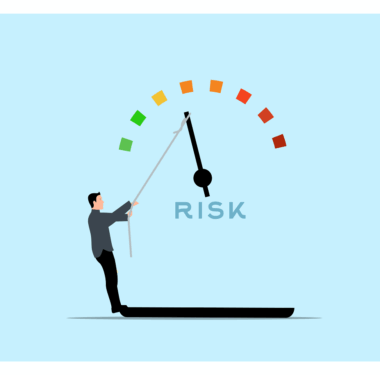

Monitoring Credit Limit Utilization for Risk Reduction
As businesses navigate the dynamic financial landscape, monitoring credit limit utilization becomes essential. Effective management reduces risk while optimizing cash flow. Organizations must assess how much credit customers use against their authorized limits frequently. By analyzing this metric, firms can make informed decisions and mitigate potential losses. Moreover, tracking utilization enables timely identification of customers who may be exceeding their limits. These situations often signal financial strain, making intervention critical. Implementing a robust credit management strategy comprises diverse metrics and KPIs. By embracing technology like automated dashboards, companies can streamline the monitoring process. Key data visualizations, such as charts and trends, facilitate quick analysis. This operational efficiency aids in recognizing patterns, allowing for proactive management of credit lines. Establishing thresholds for alerts can further guide decision-making. Companies should train their finance teams to respond effectively to these alerts and make strategic adjustments. As firms advance their monitoring capabilities, understanding the implications of high utilization will be key. This understanding leads to smarter credit decisions, ensuring long-term sustainability and growth while minimizing exposure to credit risk.
Regularly monitoring credit limit utilization can significantly boost an organization’s financial health. Consistent assessments can capture trends and identify at-risk customers. Such insights are beneficial as they offer an overview of potential credit defaults. Addressing high utilization proactively allows for better risk management. Managing credit limits effectively means continually evaluating the balance between risk tolerance and customer needs. Organizations must create policies that align with their risk appetite. Employees should understand these policies to exercise discretion in managing accounts. Moreover, a well-structured credit management framework empowers departments to analyze data comprehensively. For instance, segmenting customers based on industry, payment history, and duration can yield actionable insights. These insights will inform meaningful adjustments in credit strategies. In addition, consistently engaging with customers can support better insights into their financial situations. Developing healthy relationships opens channels for communication regarding credit needs and risks. It is also beneficial to implement regular credit reviews for ongoing evaluation. These reviews ensure that credit limits align with the customers’ current financial health and market conditions. Such an approach cultivates a win-win situation, fostering trust while managing risk effectively.
Understanding the impacts of credit limit utilization on overall cash flow is critical for sustainability. High credit utilization ratios may hinder liquidity, affecting the operational capability of companies. Conversely, low utilization could signify under-utilized resources that could drive profits. Therefore, striking the right balance becomes indispensable. Firms should focus not only on maximum limits but also on usage efficiency. A holistic view should include assessing the potential for repeat purchases and delivery performance. Strong analytics enable organizations to visualize how credit affected cash flow. Adjustment of payment terms might be necessary in cases of high utilization, facilitating better cash flow management. Tracking these metrics can reveal opportunities for upsell or cross-sell initiatives. For example, companies can offer increased credit to loyal customers who demonstrate responsible usage. These measures can deepen relationships and enhance loyalty as they build customer trust. Clearly articulated credit policies can also set the expectations for customers. Such clarity encourages compliance, thus minimizing misuse. By prioritizing transparency and proactive communication, organizations can reduce delinquency rates, fostering a healthier credit environment.
Strategies for Reducing Risk through Utilization Monitoring
Businesses can adopt several strategies to enhance credit limit monitoring and reduce associated risks. First, developing a clear credit assessment process is essential. This involves conducting thorough background checks before granting credit. Insights derived from financial statements, credit reports, and even customer interviews can be beneficial. Another effective approach is the integration of analytics and machine learning. These technologies can proactively identify spending patterns, enabling firms to adjust credit policies promptly. Adopting real-time monitoring tools also contributes to enhancing risk management. Companies can benefit from setting automated alerts when customers approach their credit limits, thus enabling timely responses. Establishing tiered credit limits based on customer performance is another valuable strategy. This recognizes the variable risk levels posed by different customer segments and enhances resource allocation. Additionally, enhancing communication with clients fosters early warning systems for potential credit-related issues. Regularly scheduled reviews ensure that credit terms remain appropriate amidst changing circumstances, such as economic conditions or customer behavior. Implementing ongoing education for employees on recognizing warning signs also proves vital. Informed staff can respond effectively, enhancing the overall credit management strategy.
Another crucial aspect of effective credit limit utilization monitoring is the role of technology. Organizations should consider investing in credit management software that consolidates data across various platforms. This integration allows for comprehensive insights, improving assessments of credit utilization trends. Reporting functionalities within these systems enable businesses to generate summaries of credit exposures effortlessly. Moreover, cloud-based tools improve accessibility, facilitating remote monitoring processes for finance teams. The incorporation of AI and predictive analytics can also enhance the process. These innovations predict customer behavior, helping businesses anticipate credit risks more accurately. Automation reduces manual intervention, streamlining credit assessments. Using dashboards or graphic representations of credit data allows for quick decision-making. Management can focus on high-risk customers first, addressing issues before they escalate. Furthermore, outsourcing credit management processes could be an option for some companies. By collaborating with specialized firms, businesses can leverage external expertise. This strategy allows organizations to concentrate on core functions while enhancing credit risk capabilities. Recognizing that credit management technology continues to evolve is essential. Staying current with trends and innovations will enable firms to make the most of their credit utilization monitoring efforts.
The Importance of Training and Development
Investing in staff training regarding credit management practices is paramount for sustainable operations. Employees equipped with the right skills can effectively monitor credit limits and manage risks. Organizations should offer training sessions on best practices, compliance, and predictive analysis techniques. Such workshops can create a capable workforce ready to deal with evolving credit management challenges. It’s essential for employees to understand the significance of credit utilization metrics. This understanding empowers them to act on data insights creatively. Additionally, fostering a culture of continuous improvement helps ensure staff remain engaged with emerging trends in credit management. Utilizing case studies can be an effective teaching tool. Real-world examples provide context and underscore the consequences of poor credit decisions. Furthermore, role-playing exercises can simulate difficult conversations around credit limits. This approach cultivates negotiation skills and improves communication techniques among team members. Establishing a mentorship system can also aid professional development. Experienced employees can guide newer staff through complex scenarios and strategies. Incentive programs can motivate teams to meet credit management objectives and overall performance metrics. Recognition for outstanding efforts encourages continual growth and commitment across the organization.
Finally, monitoring credit limit utilization serves as a comprehensive approach towards long-term risk mitigation. Companies that prioritize these efforts are more likely to maintain robust financial health. A systematic approach enables organizations to adapt to market fluctuations and regulatory changes effectively. By embracing proactive measures, companies can protect themselves from economic downturns. Thus, placing a premium on credit management should be viewed not merely as a safeguard but as a strategic advantage. Implementation of these practices may initially require investment but often yields significant returns over time. Forward-thinking companies increasingly recognize that effective credit management is integral to overall business strategy. This recognition helps to create resilience amidst uncertainties. In essence, lowering credit risk potential will optimize cash flows and foster better supplier relationships. As firms navigate the complexities of credit utilization management, continuous evolution of practices will be key. Ultimately, businesses aiming for growth through careful credit practices can capitalize on opportunities without exposing themselves to undue risk. They can foster a stable financial future, unlocking pathways for sustained profitability across their operations.
Organizations must prioritize monitoring credit limit utilization for enhanced performance. Ultimately, fostering robust credit management practices ensures stability amid unpredictable market dynamics. With adequate measures in place, businesses can flourish, leveraging credit wisely. Implementing a comprehensive approach to credit utilization paves the way to informed decision-making. As data analytics continues to advance, organizations stand to gain deeper insights into credit trends. By combining this with strategic training and effective communication, firms can optimize their credit management efforts. Building a culture of awareness around credit risks leads to healthier business outcomes. A capable team that continuously monitors credit utilization can better predict challenges ahead. Enhancing relationships with customers and engaging stakeholders should become a priority. Such initiatives nurture trust and rapport, reducing potential conflicts over credit limits. As firms adapt their strategies, they can better meet their customers’ needs. Navigating the complexities of credit management remains an ongoing journey. Organizations competent in credit utilization stand to foster sustainability, secure stability, and encourage growth. Unquestionably, monitored credit usage reflects responsible operational management, allowing for a brighter financial future for all stakeholders involved.