
Business Cycles and Consumer Spending Patterns
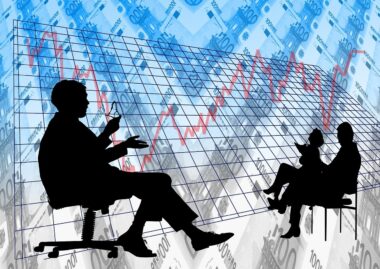
Understanding the intricate relationship between business cycles and consumer spending patterns is crucial for comprehending economic dynamics. Business cycles refer to fluctuations in economic activity, typically characterized by periods of expansion and contraction. During expansions, consumer confidence generally increases, leading to heightened spending on goods and services. Conversely, in times of recession, consumer spending often declines as households become more cautious with their finances. These cyclical movements influence various sectors, including retail, housing, and services, each responding uniquely to changing economic conditions. One key factor affecting consumer spending patterns is employment levels, which tend to correlate positively with increased spending. Higher employment typically leads to greater disposable income, fostering a propensity to spend rather than save. Additionally, credit availability plays a pivotal role; when lending conditions are favorable, consumers are more likely to borrow money to finance purchases. However, during downturns, tightening credit can exacerbate spending declines. Thus, policymakers often focus on stabilizing these cycles through monetary and fiscal policies to encourage spending and maintain economic momentum.
Impact of Economic Indicators
Economic indicators, such as GDP growth rates, inflation, and unemployment figures, significantly impact consumer spending behaviors and business cycles. GDP growth reflects the overall health of the economy and serves as a benchmark for potential consumer spending. When GDP rises, consumers may feel optimistic and increase discretionary spending on luxury items and services. In contrast, if inflation rates spike, eroding purchasing power, consumers may shift their focus towards necessities instead. Unemployment rates are equally revealing; high unemployment typically dampens consumer confidence and results in reduced spending. Conversely, low unemployment often correlates with robust spending patterns as people feel financially secure. Furthermore, the consumer confidence index provides insights into how consumers perceive their financial situation and the overall economic landscape. Positive consumer sentiment can encourage increased spending, while negative sentiments can lead to a contraction in consumer behavior. Moreover, government stimulus measures during economic downturns can temporarily boost consumer spending, mitigating the adverse effects of recession. Understanding these economic indicators helps businesses anticipate changes in consumer behaviors and adjust marketing strategies accordingly.
Another critical element in the relationship between business cycles and consumer spending is the role of interest rates. The central bank’s monetary policy directly influences interest rates, which in turn affects borrowing costs for consumers. When interest rates are low, borrowing money becomes more affordable, encouraging individuals to take out loans for big-ticket items like homes and cars. This boost in borrowing translates to increased consumer spending, propelling the economy forward. Conversely, when rates rise, consumers may face higher monthly payments and opt to delay or reduce their spending. For businesses, understanding these dynamics is vital. They must identify when to ramp up production or tighten budgets based on anticipated consumer demand, which is closely tied to interest rate fluctuations. Additionally, different consumer segments react differently to interest rate changes. For instance, affluent households may be less affected by rate hikes compared to lower-income households, who rely more heavily on credit. Effective businesses apply these insights to their pricing strategies and stock management, aligning them with broader economic trends and consumer expectations.
The Psychological Factors of Spending
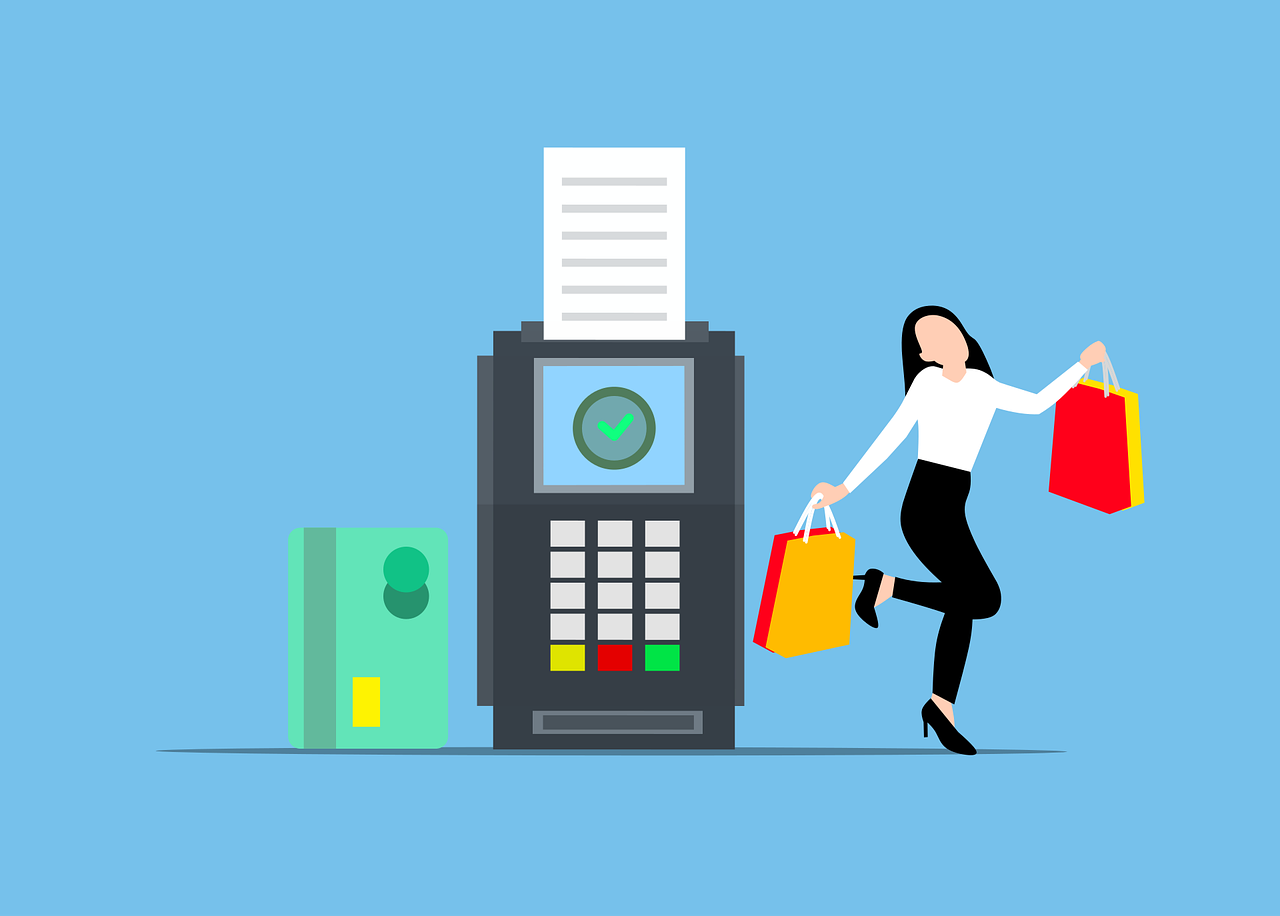
Consumer spending patterns are also influenced by psychological factors and social trends, illustrating the complexity of economics. Behavioral economics teaches us that consumer decisions are not always rational; emotions and perceptions heavily sway purchasing behaviors. For example, during times of economic prosperity, individuals may feel more confident, leading to impulsive buying behaviors and increased spending on luxury goods. Conversely, anxiety during economic downturns might cause consumers to prioritize savings over expenditure, reflecting a more risk-averse behavior. Social influences, including peer behavior and marketing strategies, can also play a substantial role in shaping these patterns. Social media, in particular, has become a powerful tool for brands to influence consumer spending by creating trends and promoting products. The desire to compare oneself to others can lead to increased spending, regardless of an individual’s actual financial stability. Understanding these psychological nuances allows businesses to tailor their marketing strategies effectively. They can create campaigns that tap into consumer emotions, fostering a sense of urgency or exclusivity that motivates purchasing behaviors, especially during economically favorable periods.
Seasonal trends also significantly influence consumer spending patterns as businesses adapt to changing consumer behaviors throughout the year. For instance, holiday seasons typically witness a surge in spending, fueled by cultural traditions and marketing campaigns. Retailers often prepare for this seasonal uptick by offering promotions and incentives, ranging from discounts to bundled products. The back-to-school season is another period characterized by heightened spending, as families allocate budgets for educational products, clothing, and supplies. Conversely, periods of economic uncertainty can dampen these seasonal spikes in spending, as consumers may prioritize essential items over luxury purchases. Businesses must remain alert to these cyclical trends to maximize their revenue. During off-peak seasons, companies might pivot their marketing strategies by focusing on clearance sales or targeted advertising campaigns to maintain consumer interest. Additionally, effective inventory management during these cycles ensures that businesses remain competitive, optimizing stock levels in alignment with expected demand. By analyzing historical spending patterns, businesses can forecast seasonal trends more accurately, allowing them to anticipate changes and implement proactive measures to enhance profitability.
Long-Term Implications of Consumer Behavior
The long-term implications of consumer spending patterns during various business cycles are profound and can shape economic policies. Economic theories suggest that prolonged periods of recession can lead to significant shifts in consumer behavior. People who experience financial hardship may develop a more cautious approach to spending, prioritizing savings and essentials. This shift can create lasting changes in consumer priorities, affecting demand for luxury goods and services over time. Businesses must adapt to these evolving consumer preferences by reevaluating their product offerings and adjusting marketing strategies accordingly. Additionally, an increased focus on sustainability and ethical consumerism has emerged in recent years. Consumers are now prioritizing brands that align with their values, showing that economic cycles can foster a lasting change in purchasing behaviors. This trend can drive businesses to embrace sustainable practices and rethink marketing narratives to appeal to eco-conscious consumers. To remain competitive, organizations should continuously investigate consumer preferences, varying from economical constraints to ethical considerations, to shape future strategies that acknowledge these societal shifts.
Finally, understanding the nexus between business cycles and consumer spending patterns highlights the importance of economic resilience. Economic events, such as financial crises or pandemics, can significantly disrupt spending behaviors and alter how consumers approach their finances. Policymakers play a crucial role in fostering economic resilience through strategic interventions, such as implementing stimulus packages or support programs for small businesses. These measures help to stabilize consumer confidence and encourage spending during tough times. Moreover, businesses that prioritize customer relationships and build brand loyalty can weather economic downturns more successfully. By understanding the local economy and consumer sentiment, businesses can create tailored experiences that resonate with consumers. Leveraging technology, businesses can collect data to paint a clearer picture of consumer behaviors, enabling them to make informed decisions in three key areas: product development, marketing strategies, and customer service. As economic conditions change, developing flexibility and adaptability becomes essential for businesses to thrive. In conclusion, recognizing the interdependence of business cycles and consumer spending empowers stakeholders to navigate economic fluctuations effectively.