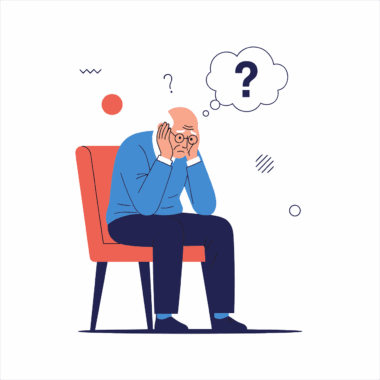

Tips for Maintaining Emotional Resilience in Retirement
Retirement represents a major life transition that can significantly affect your mental health. With the end of a structured work life, many retirees find themselves facing uncertainty, leading to feelings of anxiety or isolation. It is crucial to proactively enhance emotional resilience during this period. Establishing a daily routine can provide structure and a sense of purpose. Engaging in hobbies, physical activities, or volunteer work can improve mental well-being and create opportunities for social interaction. Consider pursuing new interests that promote mental stimulation, such as learning a new language or skill. Building a robust support network is also essential; engage with friends and family, and consider joining community groups where you can connect with others who share similar experiences. Regularly planned social events can help mitigate feelings of loneliness. Embrace mindfulness practices, such as yoga or meditation, which can enhance mental clarity and emotional balance. A healthy diet, proper sleep, and regular exercise are also vital components of maintaining overall well-being during retirement.
Recognizing the signs of emotional distress is vital for retirees. Many may experience mood swings or increased levels of stress due to the drastic life changes associated with retirement. It is important to talk about these feelings openly without stigma. Seeking professional help is not a sign of weakness; rather, it reflects a commitment to your mental wellness. Therapists can offer coping strategies tailored to retirees, helping you navigate the emotional landscape of this life stage. Support groups can also provide communal understanding and foster a sense of belonging, which is often vital during retirement transitions. Taking proactive steps towards mental health can prevent feelings of isolation from manifesting into more severe mental health challenges. Journaling can also be a beneficial tool; documenting your thoughts, goals, and daily activities can help process feelings and create a more positive mental space. Furthermore, embracing the joys of retirement while remaining vigilant about emotional well-being can lead to a fulfilling and rich personal experience. Remember to celebrate small achievements, and prioritize self-care regularly.
Engaging with a Community
Social engagement is key for maintaining emotional resilience in retirement. Many retirees lose daily social interactions they had during their work life, making it vital to actively seek out social connections. Joining clubs, pursuing group hobbies, or volunteering within your community can provide opportunities for meaningful engagement. Consider taking courses at a local community center or adult education institution; it will not only keep your mind sharp but also help you meet new people. Scheduling regular meetups with friends or family can help maintain those vital relationships that contribute to emotional well-being. Utilize technology to stay connected with loved ones, leveraging video calls or social media platforms to enhance relationships that may otherwise diminish due to distance. Establishing a strong support system is paramount during this phase, enabling retirees to share experiences and offer mutual encouragement. Sporting events, book clubs, or even art classes can become a source of joy and laughter while building strong connections. Maintaining an engaged, vibrant social life will help to create balance for your emotional health.
Another essential strategy is to focus on personal growth. Retirement provides a unique opportunity to explore interests and passions that you may not have utilized during your working years. This newfound freedom can be invigorating, but it also requires self-exploration. Embrace new activities that spark joy, such as learning to paint, gardening, or traveling to new places. Finding ways to challenge yourself positively can enhance self-esteem and provide a sense of accomplishment. Reflection on past experiences can yield insights; consider how your work life shaped you and what areas you are passionate about today. Furthermore, setting achievable goals—whether it’s achieving a fitness milestone or completing a new project—can help maintain motivation and engagement in daily life. Remember, it’s about enjoying the journey of growth rather than solely focusing on end results. Surround yourself with inspiring people who motivate you to continue evolving, as positive influences nurture emotional resilience. Be sure to regularly assess your personal growth journey, celebrating milestones no matter how small.
Creating Healthy Routines
Establishing consistent daily routines greatly supports emotional well-being during retirement. Structured daily habits can serve as anchors amid the unpredictability of newly free time. Consider incorporating regular exercise routines into your schedule, whether it’s a morning walk, yoga session, or joining a fitness class. Exercise has well-documented benefits on mental health, reducing anxiety and depression while enhancing overall mood. Also, practice self-care by prioritizing well-balanced meals and setting aside time for relaxation. Whether it’s reading a book, practicing meditation, or enjoying a leisurely bath, self-care activities reinforce resilience. Establishing a balanced routine that incorporates physical activities, relaxation time, and social engagement fosters an emotional support system. Encourage variability in your routine, allowing room for spontaneity, as it enriches life and encourages flexibility. Sharing routines with friends or family can create a fun challenge, encouraging one another through activities such as walking or cooking classes. Regularly adjusting routines keeps them fresh and enjoyable, thereby enhancing your quality of life and ensuring emotional balance.
Mindfulness plays a crucial role in emotional resilience throughout retirement. Practicing mindfulness encourages individuals to focus on the present moment rather than dwelling on past regrets or future worries. Engage in mindfulness exercises such as meditation, deep-breathing techniques, or simple grounding exercises, which can help improve emotional clarity. Consistently practicing mindfulness can also refine self-awareness, allowing retirees to recognize emotional triggers and allow room for thoughtful responses. Nature walks can intertwine mindfulness and enjoyment, creating a deeper appreciation for everyday life. Listening to calming music or participating in creative hobbies like painting or knitting can deepen your mindfulness experience. Additionally, explore digital mindfulness resources, such as apps offering guided meditation or breathing exercises. Making mindfulness part of your daily routine can changes how you perceive stress and anxiety, making you more resilient. As you develop mindfulness, aim to foster an attitude of acceptance towards life changes associated with retirement. Cultivating positivity in everyday experiences can significantly enhance emotional well-being in this blissful chapter of life, thus leading to greater fulfillment.
Conclusion
In conclusion, maintaining emotional resilience in retirement is essential for enjoying this new phase of life. While it is natural to experience challenges, focusing on social engagement, personal growth, and establishing healthy routines promotes mental wellness. Recognizing emotional signs, seeking support, and developing mindfulness can improve overall quality of life. Embrace retirement as an opportunity for growth, connection, and adventure. Implementing these strategies can significantly enhance your emotional resilience and create a more rewarding retirement experience. Strive to remain active in both body and mind while fostering connections with others. Celebrate the joys and new explorations this stage presents. Remember that adaptability is key; staying open to new experiences, friendships, and perspectives helps cultivate resilience. Reach out for support when needed, and do not hesitate to ask for guidance. Retirement can be a beautiful time filled with fulfillment; with the right mindset and action, it leads to a lifetime of emotional well-being. By taking constructive steps, retirement can be one of the most enriching phases of life.