
The Role of Multimodal Transportation in International Logistics
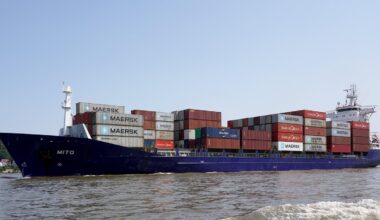
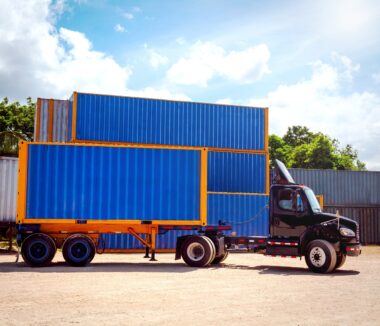
Multimodal transportation plays a significant role in the realm of international logistics by enhancing the efficiency of global supply chains. This mode of transport utilizes multiple methods of transportation, such as air, sea, and land. By combining these transport functions, businesses can optimize their shipping processes to meet various logistical challenges. Reduced shipping times and costs are among the most notable benefits. Firms can tailor their transportation strategies by selecting the best combinations of modal services suited to their specific needs. For instance, combining sea freight with rail transport can significantly reduce costs while leveraging the strengths of both transport modes. Moreover, multimodal transportation minimizes the complications related to the handling of cargo, ensuring a smoother transit for goods. Technologies such as shipment tracking also manage operations more effectively. Thus, multinational corporations profit from better product availability and improved customer satisfaction through streamlined logistics. As global trade continues to expand, understanding the intricacies of multimodal transportation becomes even more crucial for companies aiming to remain competitive on an international scale.
One of the most significant advantages of multimodal transportation is its ability to offer flexibility in logistics planning. Companies can choose their routes, adjust their schedules, and select the most cost-effective modes based on current conditions and demands. Flexibility is paramount in international logistics, where delays and unforeseen challenges frequently arise. This adaptability allows for more resilient planning, empowering businesses to respond promptly to changes in demand or resource availability. Furthermore, shippers can strategically select points of origin and destination to maximize efficiency. This flexibility not only enhances overall logistics efficiency but also improves risk management. Businesses can minimize potential disruptions by having alternative routes and transport modes at their disposal. Multimodal transportation also utilizes hub-and-spoke models that can help consolidate smaller shipments into larger volumes, reducing per-unit shipping costs. Another notable benefit includes reduced carbon footprints, as companies use trains and ships efficiently. In an era of increasing eco-awareness, this aspect is gaining traction as businesses strive toward sustainability. Ultimately, the enhanced flexibility and adaptability of multimodal systems are vital for success in international logistics landscapes.
Cost Efficiency and Sustainability
Cost efficiency is another primary focus for businesses utilizing multimodal transportation in international logistics. By combining different modes of transport, companies can achieve significant savings. For example, shipping goods via ocean freight is extensively cheaper than using air cargo. However, air transport can be faster for perishable goods requiring urgent delivery. This strategic selection of transportation types leads to reduced expenditure while still satisfying customer demands. Additionally, multimodal transportation promotes sustainability by minimizing overall energy consumption. Transporting goods by train, for instance, is generally more eco-friendly than road freight. Therefore, multimodal systems that prioritize sustainability can lead to a lower environmental impact. Companies adopting these practices can enhance their corporate responsibility profiles, showcasing their commitment to greener logistics solutions. In the long run, sustainability can also lead to financial incentives, as eco-conscious consumers increasingly prefer businesses that prioritize environmental welfare. Enhanced cost-efficiency and environmental responsibility are becoming critical aspects in global markets, pushing more companies to integrate multimodal transportation into their logistics strategies. This evolution marks a positive trend toward sustainable international logistics practices and improved profitability.
Another key aspect of multimodal transportation is innovation in technology. As digital tools evolve, logistics processes become more robust and efficient. Real-time tracking technologies and sophisticated analytics platforms allow businesses to monitor shipments throughout their journey. By providing accurate information on when and where items will arrive, companies enhance their operational effectiveness. This transparency is essential in a world of heightened customer expectations, as well as meeting regulatory requirements. Technology also assists in route optimization, determining the quickest and most cost-effective paths for shipments. These advances facilitate data-driven decision-making, contributing to enhanced shipping methodologies. Companies can analyze and respond to trends, preventing delays or potential issues before they arise. Furthermore, the integration of artificial intelligence and machine learning into logistics systems aids in predicting demand and managing inventory. Consequently, businesses utilizing these innovations can anticipate market fluctuations and save costs effectively. Overall, technology empowers the multimodal transportation system, ensuring logistics are seamless and efficient. As the logistics landscape transforms through technology, organizations must embrace these advancements for continued success in international trade.
Challenges in Multimodal Transportation
Despite the numerous advantages, challenges exist within multimodal transportation in international logistics that businesses must address. One significant issue is the coordination between various transport modes and companies. Effective communication among freight forwarders, carriers, and logistics teams is critical for ensuring seamless transition between transport modes. Any miscommunication can lead to delays, increased costs, and negative customer experiences. Furthermore, regulatory differences between regions may complicate logistics processes, as each mode might have its own compliance requirements. Consequently, businesses must stay well-informed and adaptable to navigate these complexities. This can necessitate investments in training and technology to ensure all parties understand their roles and responsibilities. Additionally, technological disruptions such as cyber threats or system failures can impact logistics operations. Companies must adopt robust cybersecurity measures and develop contingency plans to mitigate the potential fallout of such incidents. While the benefits of multimodal transportation are substantial, businesses must remain vigilant in confronting these challenges to harness the potential of international logistics fully. Effective planning, continuous improvement, and innovation are essential to counter these challenges.
Moreover, understanding market trends is paramount for the successful implementation of multimodal transportation. As global trade continues to evolve, businesses must stay abreast of shifts in market demands and customer expectations. Monitoring these trends can help organizations adjust their logistics methodologies accordingly, enhancing service quality. For instance, the rise of e-commerce has led to increased demand for quicker shipping solutions, prompting businesses to explore new logistics avenues. Multimodal transportation systems can adapt to this growing expectation by providing faster delivery through combined transport methods. Furthermore, evaluating competitor strategies and innovations allows organizations to remain competitive within their sector. To this end, businesses should invest in market research and analysis to identify opportunities for improvement. Networking with industry professionals can also yield invaluable insights into best practices and upcoming trends. Emphasizing this knowledge empowers companies to make informed decisions, enhancing their logistics operations. In today’s rapidly changing environment, organizations must prioritize a proactive approach to remain competitive and innovative, using multimodal transportation strategically within their logistics plans.
The Future of Multimodal Transportation
As the landscape of international logistics evolves, the future of multimodal transportation appears promising. Emerging technologies such as blockchain and the Internet of Things (IoT) are expected to create greater transparency and efficiency. These advances will enhance coordination among various stakeholders involved in the logistics supply chain. For instance, blockchain technology can provide secure, tamper-proof transaction records, streamlining documentation processes and fostering trust among partners. As a result, financial transactions will become more efficient, reducing administrative burdens. Additionally, the integration of IoT systems enables real-time data sharing among various modes of transport, allowing companies to make more informed decisions quickly. As digital innovations continue to reshape logistics, the multimodal sector will likely adapt, offering expanded capabilities and seamless operations. Furthermore, societal and environmental expectations will intensify, encouraging the adoption of eco-friendly practices. In this context, organizations prioritizing sustainable multimodal transportation will differentiate themselves and appeal to the conscious consumer base. Overall, the future of multimodal transportation in international logistics encompasses exciting developments that promise to drive efficiency, sustainability, and profitability.
In conclusion, the role multimodal transportation plays in international logistics is pivotal for optimizing supply chain processes. The benefits, including improved efficiency, cost savings, flexibility, and sustainability, are essential for businesses looking to compete on a global stage. Technologies are reshaping how logistics operate, facilitating better decision-making and real-time tracking of shipments. However, organizations must also navigate the challenges that accompany multimodal systems, such as coordination among stakeholders and regulatory compliance. Staying informed of market trends and adapting accordingly can provide companies with a competitive edge. As the landscape of logistics continues to evolve, embracing multimodal transportation will be vital for businesses aiming for long-term growth and success. By developing innovative approaches and leveraging technology, companies can enhance their operational frameworks. Ultimately, the effective integration of multimodal transportation into logistics strategies opens numerous opportunities for businesses, positioning them for future prosperity in the competitive world of international trade. Through resilient planning and a commitment to sustainable practices, companies can ensure they meet the demands of modern consumers, reinforcing their market positions.