
How to Use Web Analytics to Improve Customer Experience
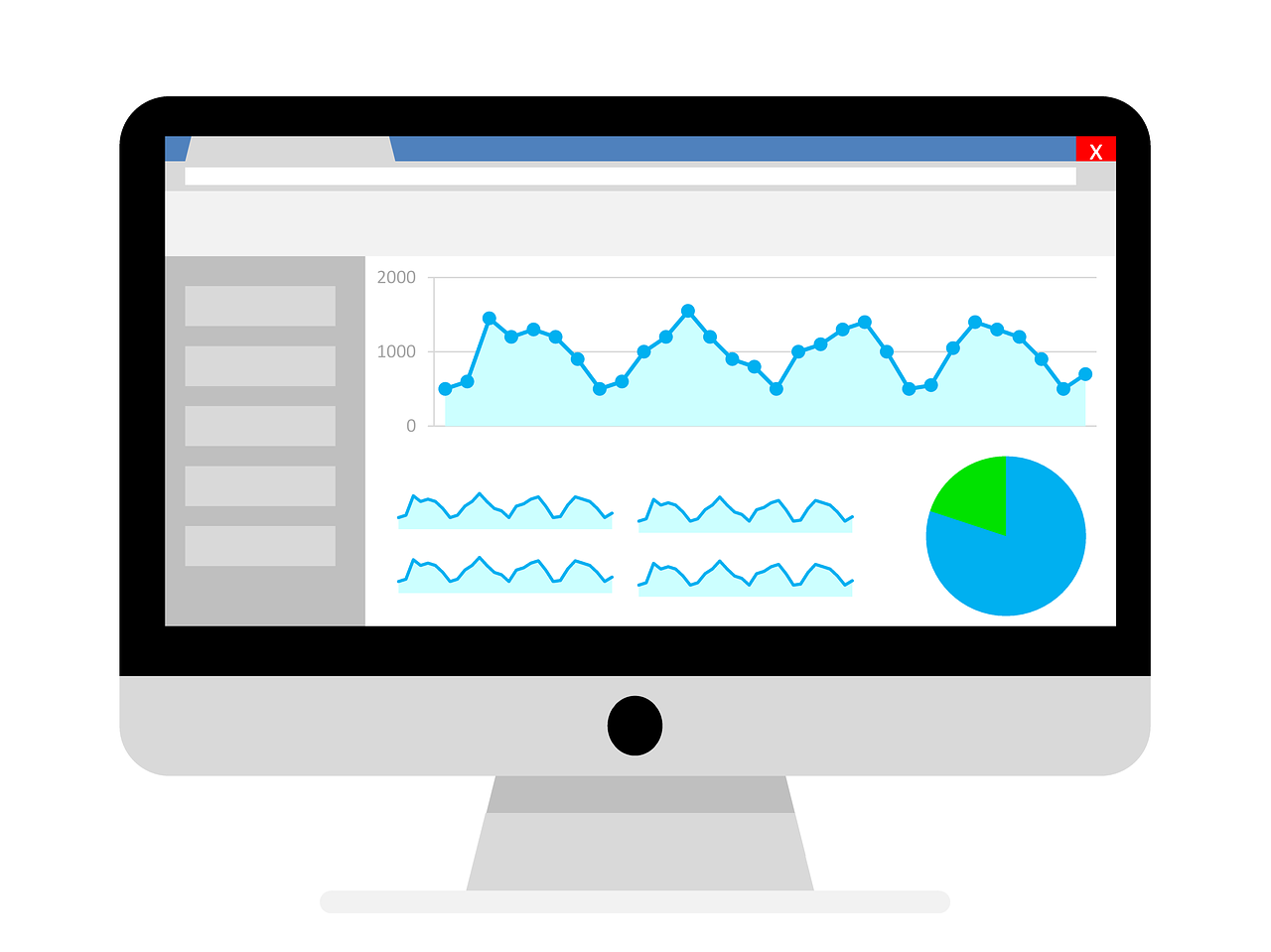
Web analytics plays a crucial role in enhancing customer experiences by providing actionable insights. Companies can track user behavior across their websites to identify pain points and areas for improvement. By leveraging this data, businesses can deliver more personalized and relevant content to their visitors. Understanding user demographics and their interaction patterns allows for tailored experiences that meet their preferences. Web analytics tools like Google Analytics provide crucial data such as bounce rates, average session duration, and page views that indicate how effectively a site is engaging its audience. Marketers and site owners can use this information to refine their strategies, ensuring they attract and retain more customers. Focusing on customer journeys across various touchpoints can reveal where customers drop off. By analyzing this journey, businesses can implement improvements to enhance user satisfaction and minimize confusion. Techniques like A/B testing can also be utilized, allowing companies to experiment with different layouts or content to see what resonates better with their audience. With an emphasis on data-driven decision-making, web analytics empowers organizations to create a more compelling customer experience.
To implement effective web analytics, organizations need to set clear objectives. By defining key performance indicators (KPIs), businesses can measure the success of their web analytics efforts. Knowing what to track is essential; this may include metrics like conversion rates, click-through rates, and customer engagement levels. Once KPIs are established, teams can continually monitor progress and make necessary adjustments. Furthermore, integrating tools across various platforms enables seamless data collection. Tools such as heatmaps offer visual representation of user interactions, revealing which areas of a site attract the most attention. This information is invaluable for optimizing layouts and ensuring key messages are highlighted appropriately. Additionally, setting up goals and funnels in web analytics platforms offers deeper insight into customer paths. Understanding these paths lets businesses refine their marketing strategies, ensuring they engage customers more effectively. Regular reporting on analytics can foster a culture of data-centric decision-making within an organization. By sharing insights with teams, everyone can contribute to improving the overall strategy. Ultimately, the goal is to create a cohesive experience that addresses customer needs at every stage of their journey.
Using Customer Feedback Alongside Analytics
While web analytics provides quantitative data, incorporating customer feedback adds qualitative insights that enrich the understanding of customer needs. Direct feedback can reveal deeper reasons behind certain user behaviors identified through analytics. Surveys, comment sections, and social media interactions serve as platforms for obtaining customer opinions and preferences. Analyzing feedback can help organizations adjust their content and features significantly. Combining this data with behavioral analytics makes it easier to identify trends and optimize user experiences accordingly. For instance, if users report difficulty locating information, it may indicate the need for better navigation structures or additional links. Addressing such issues not only improves usability but also boosts overall satisfaction. Businesses can implement follow-up surveys post-purchase to gather insights on user experiences. This proactive approach demonstrates that organizations genuinely value customer input and are willing to act on it. Iteratively refining a website according to both analytics and feedback results in continuous improvement. Educating teams about the importance of blending these insights further enhances the organization’s ability to deliver superior customer experiences that foster loyalty.
Segmentation is another critical aspect of using web analytics effectively for customer experience enhancement. By grouping customers according to specific criteria such as demographics or past purchasing behavior, businesses can generate tailored marketing efforts. Targeted messaging based on these segments can significantly improve engagement rates and conversion. Web analytics allows for real-time monitoring of these segments, providing the flexibility to adjust strategies as necessary. Additionally, understanding the lifetime value of different segments can optimize budget allocations across marketing channels. In turn, companies can invest more in channels that best serve their most valuable customer segments. Another use of segmentation is creating personalized experiences. Based on customer profiles, businesses can deliver customized content, offers, or product recommendations. This level of personalization increases the likelihood of repeat visits and purchases as customers feel more aligned with a brand that understands their needs. Furthermore, maintaining an ongoing analysis of these segments ensures strategies don’t become outdated. The digital marketplace is dynamic; customer preferences change rapidly, and organizations must keep pace. Thus, employing segmentation effectively empowers brands to remain relevant and responsive to user needs, leading to better overall satisfaction.
Tracking Customer Journeys
Mapping and tracking customer journeys through web analytics provide insight into user interactions with a website over time. Visualization of user paths reveals how visitors navigate a site and can highlight sticking points that require attention. By identifying drop-off points, organizations can work to improve these particular elements to encourage conversions. Understanding how users travel from initial interest to final purchase helps illuminate areas for improvement throughout the buyer’s journey. Utilizing funnel analysis can effectively demonstrate the steps required for users to complete specific actions, allowing businesses to enhance the customer’s experience at every stage. By simplifying crucial steps in the conversion process, customers may feel less friction, resulting in higher rates of completion. Moreover, having an accurate representation of customer journeys allows brands to set realistic expectations and communicate more effectively. Sharing these insights with stakeholders also promotes collaborative efforts toward refining the user experience. Understanding the stages where users may be experiencing difficulties leads to informed decision-making regarding website adjustments and feature priorities. Continuous evaluation of customer journeys ensures ongoing relevance and satisfaction as market dynamics evolve and customer needs change.
In web analytics, mobile optimization is increasingly crucial due to the rise of mobile users. Evaluating user experiences on various devices ensures that websites function effectively across multiple platforms. As mobile accessibility becomes standard, not optimizing for smartphones or tablets can negatively impact customer satisfaction. Analytics can identify users accessing sites from different devices, allowing organizations to tailor experiences accordingly. Testing mobile versions of websites is essential to verify that they load quickly, are user-friendly, and contain all vital information. Additionally, responsive design is crucial for accommodating various screen sizes. Web analytics can facilitate optimization efforts by tracking mobile user behavior and comparing it with desktop experiences; discrepancies can indicate areas needing focus. A/B testing different mobile formats ensures effective design choices are made. Customers gravitate toward sites that provide a seamless experience across devices; those that don’t may risk losing visitors. Implementing data-backed mobile strategies boosts overall traffic and fosters loyalty. By prioritizing mobile optimization in web analytics, companies can create inclusive experiences that accommodate all users, thereby enhancing overall customer satisfaction.
Conclusion
In conclusion, harnessing the power of web analytics can dramatically enhance the customer experience. With the ability to gather essential data on user interactions, businesses can identify areas for significant improvement. By incorporating both quantitative analytics and qualitative feedback, organizations gain a holistic view of user needs and preferences. Implementing effective segmentation and tracking customer journeys provides organizations further insight into their audiences, allowing for targeted efforts. Continuous optimization based on this data leads to improved user experiences and increased satisfaction. Recognizing the importance of mobile optimization ensures that users on all platforms have enjoyable experiences. Tracking key metrics not only aids organizations in identifying areas needing attention but also helps foster a culture of data-driven decision-making. Working iteratively to enhance customer experiences ultimately benefits both organizations and their clientele. Companies that prioritize understanding and responding to customer behaviors through analytics will likely see improved loyalty and retention. The shift towards data-driven marketing is essential for any business looking to succeed in today’s competitive landscape. Forward-thinking organizations recognize that the key to longevity in the market lies in continuously improving their customers’ experiences through informed decision-making fueled by analytics.
Implementing the strategies outlined in this article requires a culture that embraces change. Organizations should encourage teams to explore new tools and technologies that can augment their analytics efforts. Leadership must be supportive in fostering an environment where data insights drive decisions. Consistent training and workshops can help familiarize employees with the latest trends and developments in web analytics. Additionally, empowering employees to analyze data promotes a sense of ownership, ensuring these insights translate into actionable strategies. As web technology evolves quickly, staying updated on the latest practices and technologies is vital. By committing to ongoing education, businesses can refine their approaches and remain agile in the face of change. Utilizing partnerships with analytics experts could further enhance organizational capabilities, offering opportunities for advanced strategic recommendations. Collaboration between teams allows for sharing insights and collective brainstorming on improving customer experiences. Through dedication and innovation, businesses can navigate the complexities of customer expectations and technology. Ultimately, the key lies in leveraging web analytics data to build a more dynamic, engaging, and efficient customer experience.