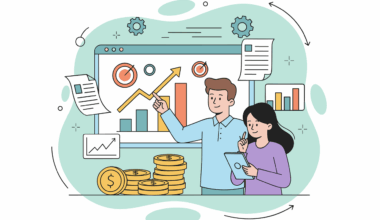

How to Forecast Your Income for Better Financial Decisions
Forecasting your income is a vital aspect of effective financial planning. This process requires analyzing various income sources including salaries, investment returns, and any side jobs you might have. Understanding these streams allows you to create a realistic budget that reflects your actual financial situation. Begin by listing your consistent income sources, both fixed and variable. For fixed sources, such as salary or pension, it’s easier to estimate future income. In contrast, variable sources like freelance work can fluctuate and should be approached creatively. Detail each income stream, assigning expected values based on previous trends. For instance, if you anticipate a 10% increase in your salary next year, factor that into your estimates. It can also be beneficial to communicate with a financial advisor to ensure that you are not overlooking any potential income opportunities. In addition to your income, consider expenses when forecasting. An accurate income forecast can significantly influence your savings rate, investment choices, and overall financial security.
Once you have gathered your estimated income data, the next step involves analyzing historical trends. Understanding past income patterns help you project future scenarios. To do this, review past years of financial statements or income reports. This data will provide insights into the consistency and volatility of your earnings. Identify any seasonal fluctuations that may occur, such as increased income during holiday seasons or slower periods in the year. Additionally, consider broader economic factors that may impact your income. For example, changes in industry trends or unexpected global events can dictate income stability. By employing data analysis techniques or software, you can easily visualize these income streams. It’s also advisable to create a spreadsheet for clarity; categorize the data to make adjustments as needed. Using historical income data enables you to confront potential income challenges ahead of time. This way, you can implement strategies to mitigate risks, such as diversifying income sources or pursuing professional development opportunities. This proactive approach will eventually lead to more informed financial decisions that align with your long-term goals.
Utilizing Financial Tools for Accurate Forecasting
In our digital age, numerous tools and software can assist in income forecasting. These extend beyond basic spreadsheets to advanced financial modeling software. Utilizing these technologies not only streamlines operation but also enhances accuracy. Popular financial forecasting tools allow you to simulate various income scenarios and visualize their effects on your overall financial health. Understanding how income affects other financial aspects is crucial. For instance, an increase in income might allow for higher saving potential or investments in assets. Tools like financial calculators or budgeting apps can also be integrated into your planning process, simplifying calculations. They can help track your inflows and outflows, ensuring that budget allocations reflect realistic outcomes. Always remember to adjust these forecasts as necessary — income predictions should evolve with your financial situation. Regular updates to your income forecasts will keep your financial strategy current and relevant. When utilizing such tools, be sure to research and choose options best suited to your needs. This research may include reading user reviews, testing free versions, or consulting financial experts.
As you move forward with your income forecasts, it’s crucial to factor in both short-term and long-term goals. Setting realistic financial targets can guide your overall planning process. For example, if you plan to make a significant purchase, such as a home, you should estimate how your current income supports this long-term goal. Break down these goals into actionable steps that align with your income predictions. This will involve assessing your ability to save effectively and finding ways to incrementally increase your income. Short-term goals may include saving for vacations or emergencies, while long-term goals might encapsulate retirement savings or educational funds. Balancing these diverse objectives while staying true to your income forecasts requires a disciplined approach. Upon establishing these goals, continually monitor progress. Use regular check-ins to adjust savings rates and investment plans. Monthly assessments could ensure you remain aligned with your projected income while pivoting when necessary. This alignment between your goals and your income forecast enables you to prioritize effectively, accountable fiscal responsibility, and an improved strategic vision.
Adjusting for Unexpected Changes
Income forecasting should not be static; it requires regular adjustments. Life can present unforeseen changes — job loss, economic downturns, or health emergencies can all impact your income. Recognizing these possible variations, having a financial buffer built into your forecasts is prudent. This buffer can allow for unexpected disruptions without derailing your financial plans. To manage these uncertainties, consider a contingency plan. A contingency fund, typically consisting of three to six months’ worth of living expenses, can provide peace of mind during hard times. Make it a priority as you forecast future income. Review any existing contingency plans and refine those in alignment with your income predictions. This proactive approach prepares you for sudden changes while maintaining financial stability. Understanding market trends or economic changes is also vital. Keeping up with relevant news can enable you to foresee potential impacts on income and adjust accordingly. Staying responsive enhances your resilience, allowing for better financial decisions based on current circumstances rather than blind ambition. Flexibility in adjusting forecasts, paired with continued education, equips you to handle life’s uncertainties gracefully.
As you refine your income forecasting techniques, consider incorporating feedback systems. Over time, understanding how well your forecasts align with reality provides insights for improvement. Regularly compare your predicted income against actual income records to measure the accuracy of your forecasts. Keeping an income journal detailing changes and adjustments will offer a record for future reference. This documentation promotes a learning mindset, allowing you to identify successful strategies and potential pitfalls. Adjustments based on this feedback equip you as a more knowledgeable decision-maker. Additionally, collaborating with trusted advisors, mentors, or financial professionals can provide external perspectives. Many financial experts can assist in refining your forecasting process. They can offer tailored advice based on your unique financial circumstances. Seeking external validation can refine your methodology and challenge existing assumptions, ultimately enhancing the effectiveness of your planning. Consistent reflection leads to smarter predictions over time, which is crucial for fostering financial growth. Strive to engage in this ongoing learning process, making it part of your financial lifestyle.
The Role of Professional Guidance
Lastly, don’t underestimate the value of seeking professional guidance for income forecasting. Financial experts, such as accountants or certified financial planners, can provide personalized services that cater to your unique needs. Their expertise can often save time and prevent costly missteps in the planning process. Engaging a financial advisor helps navigate complex tax laws or investment opportunities that may not be immediately apparent. When selecting a financial professional, ensure they understand your circumstances and future goals thoroughly. Look for individuals with experience relevant to your financial needs. The right advisor can also introduce advanced forecasting techniques and best practices tailored to your specific situation. Ideally, access to financial counseling will enhance your overall strategy, ensuring accuracy and timeliness in income forecasting. Importantly, trust your instincts when collaborating with professionals. Establish a comfortable working relationship where you feel respected and heard. Regularly revisit your financial strategy and forecasts. With continued professional support and guidance, you’ll remain on course to make better financial decisions based on accurate, realistic income projections.
Maintaining a focus on income forecasting will empower you to make informed financial decisions. Through careful planning and analysis, it’s possible to shape your financial future significantly. Conversations with mentors, tracking income trends, and adjusting to real-time economic shifts all contribute to an informed approach. Your income forecasting journey doesn’t have to be overwhelming. Equip yourself with the right tools and strategies, continuously seek improvement, and stay flexible in your planning efforts. By doing so, you’ll build a robust financial strategy capable of adapting to whatever life brings. In particular, remember that well-informed projections can lead to better savings rates, investment yields, and overall financial stability. Focus on developing actionable strategies rooted in solid research and best practices of income planning. Prioritize regular review sessions to analyze the longevity of your financial decisions. Celebrate small wins along the way, as they contribute to larger financial victories. Finding balance requires ongoing diligence and a commitment to personal finance. Take proactive steps to ensure your financial decisions directly reflect income forecasts. This will lead to meaningful advancements towards achieving your financial aspirations and creating lasting security.