
The Role of Media in Inflating Market Bubbles
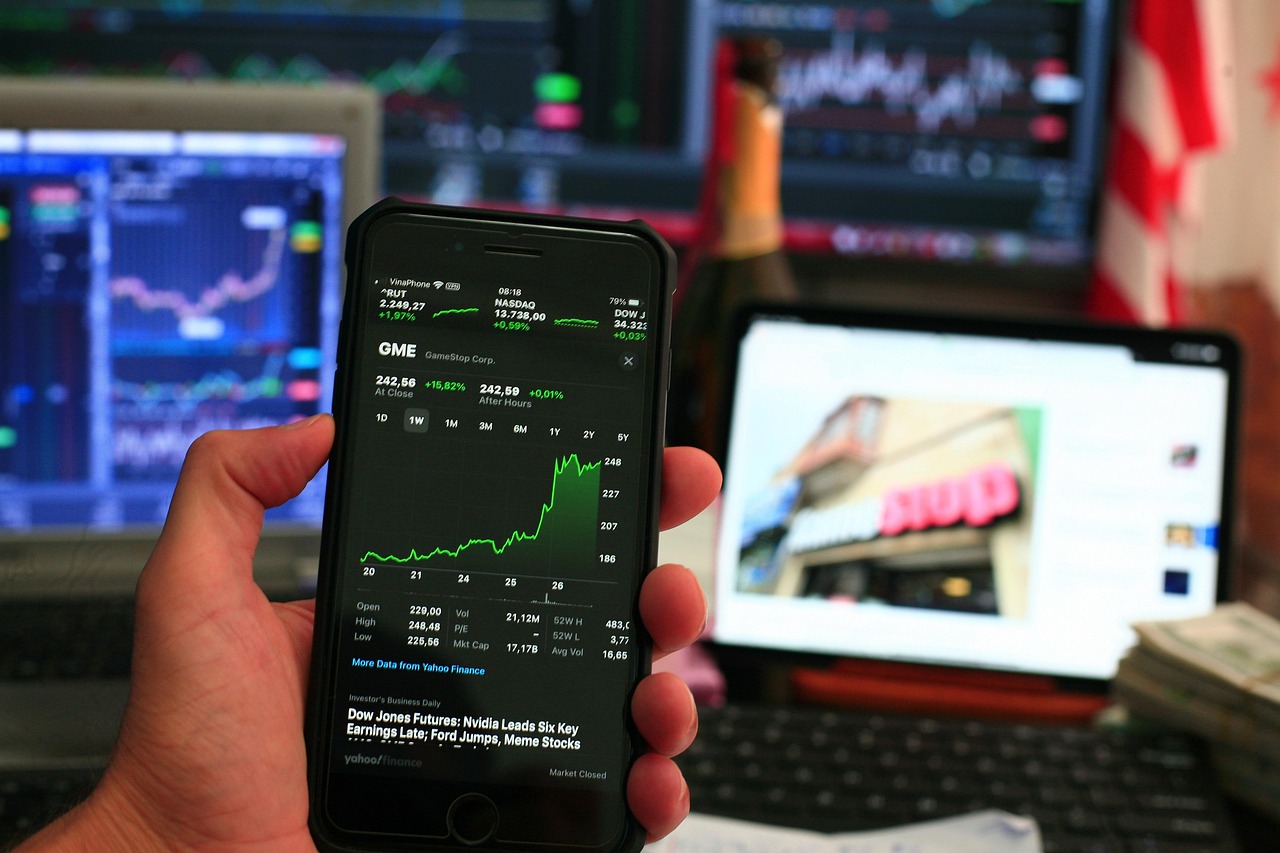
The media plays a significant role in shaping public perception and can greatly influence market dynamics. Market bubbles occur when asset prices significantly exceed their intrinsic value, often bolstered by hype and excessive media coverage. The increase in digital media consumption has amplified this phenomenon. Traditional outlets and social networks provide platforms for rapid dissemination of information, creating a feedback loop of excitement and speculation among investors. Media can amplify positive sentiments, which leads to increased buying, further inflating asset prices. Furthermore, when negative information surfaces, rapid selling can occur, leading to a bubble burst. Therefore, understanding media’s impact becomes essential for comprehending market behavior.
Media coverage often creates an atmosphere of fear of missing out (FOMO), which motivates investors to act irrationally. This phenomenon is exacerbated by sensational headlines that can portray market events in a misleading way. For example, during a market bubble, reports may focus heavily on rising prices and success stories, overshadowing signs of caution. This result is that many investors, especially retail ones, may neglect fundamental analysis, relying instead on trending narratives. It is crucial to recognize that unchecked enthusiasm can drive markets to unsustainable levels, making substantial consequences inevitable once reality sets in.
The Influence of Social Media
Social media platforms have transformed the way information spreads, accelerating the potential for market bubbles. Investors are now more connected than ever, leading to widespread sharing of insights, opinions, and tips. These platforms enable individuals to quickly react to news and market changes, leading to rapid price fluctuations. Viral trends can cause new stocks or cryptocurrencies to surge without rational basis. Furthermore, influencers can sway market sentiment simply by sharing their views. This creates an overwhelming sense of urgency in the market, as followers aim to capitalize on perceived opportunities that could lead to inflated asset prices.
Moreover, the phenomenon of echo chambers can further distort perceptions. Individuals often follow like-minded users who reinforce their beliefs, creating a bubble of collective optimism. This atmosphere clouds judgment and discourages critical thinking, making it easy to overlook essential market indicators. The consequences can be dramatic, as many investors can be blindsided by sudden corrections when enthusiasm wanes. Furthermore, the celebrity culture surrounding investing adds another layer of complexity, where popular figures endorse investments, sometimes leading to significant price volatility without substantive backing.
Case Studies of Media Impact
Analyzing past market bubbles highlights the media’s influential role. For example, the dot-com bubble of the late 1990s saw an explosion of internet-related stocks driven by speculative news coverage. Major media outlets featured stories of rapid successes and unbounded potential, creating an environment ripe for irrational exuberance. Investors, fixated on headlines and not grounded in reality, propelled prices to untenable levels. When the bubble burst in 2000, many investors faced heavy losses, which could have been mitigated by a more discerning approach towards media narratives and a deeper understanding of market fundamentals.
Another example can be seen during the housing market bubble leading up to 2008. Media outlets were pivotal in promoting narratives that home prices would continue to soar indefinitely. Reports of massive returns on real estate investments galvanized many individuals to enter the market without adequate knowledge of the risks involved. As media coverage shifted towards the impending crisis, panic ensued, contributing to widespread financial ruin. The initial euphoria created by media coverage masked underlying economic issues, demonstrating how powerful narratives can distort reality and inflate bubbles dangerously.
Best Practices for Investors
For investors navigating media landscapes, adopting a critical approach is crucial. First, take time to evaluate news sources. Verify the authenticity of information before making any investment decision. Diversify sources to obtain balanced perspectives and avoid echo chambers. Additionally, employing fundamental analysis can serve as a wise counterbalance against sensationalized reporting. Remember to question the significance of headlines and ask whether they reflect true market conditions. Staying level-headed can prevent being swept away by hype and help maintain a clear perspective amid market fluctuations.
In conclusion, media plays a double-edged sword in market dynamics, capable of both enlightening and misleading investors. While it can spread valuable insights, it can also fuel irrational behavior leading to market bubbles. Awareness of media influence is paramount for making informed decisions in such an unpredictable environment. When armed with knowledge and critical thinking, investors can better navigate market conditions and protect themselves against the potential fallout of inflated expectations driven by media narratives. Vigilance and discernment become the keys to successful investing without succumbing to hype.