
Leveraging Data for Effective Marketing Strategies
In today’s world, businesses rely heavily on data to formulate effective marketing strategies. Marketing analytics is the process of measuring and analyzing marketing performance to maximize effectiveness. The data-driven approach allows marketers to understand consumer behavior, optimize marketing campaigns, and allocate budgets efficiently. By leveraging various tools and technologies, marketing professionals can extract valuable insights from vast amounts of data. In fact, data analytics can improve decision-making processes, helping marketers to develop tailored campaigns that resonate with their target audiences. Companies using marketing analytics see better returns on investment (ROI) from their marketing efforts because data helps identify what works and what does not. Businesses can track customer interactions across different channels, enabling them to create a unified customer experience. Moreover, marketing teams can optimize strategies by segmentation, targeting specific demographics with personalized messages. Thus, companies can not only improve engagement rates but also reduce wasted expenditure by focusing resources on the most effective strategies. Ultimately, harnessing data in marketing will allow businesses to stay ahead of the competition, adapt to market trends, and foster long-term customer relationships.
Understanding Customer Behavior Through Data
Understanding customer behavior is critical for devising effective marketing strategies. Marketing analytics play a significant role in this regard, providing critical insights into trends and consumer preferences. By analyzing data collected from various touchpoints, such as social media, website traffic, and email interactions, businesses can discern patterns in customer decision-making processes. The insights derived from this analysis allow marketers to tailor their communications and offers based on specific interests, enhancing the relevance of their messages. Using predictive analytics, companies can anticipate customer needs, thereby enhancing customer satisfaction and loyalty. Furthermore, this understanding helps in identifying the best times to engage with customers, leading to improved conversion rates. It’s essential to segment audiences based on the data obtained to deliver more personalized experiences. By aligning marketing efforts with customer needs, businesses not only enhance the effectiveness of their campaigns but also build trust with their audience. Additionally, keeping an eye on competitors can inform strategies, helping organizations to better define their unique selling propositions (USPs). Consequently, understanding customer behavior through marketing analytics is indispensable for achieving competitive advantage in today’s marketplace.
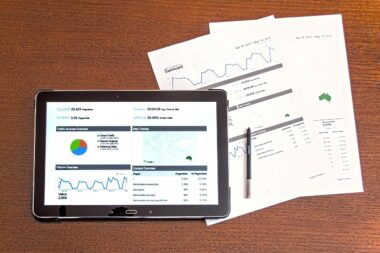
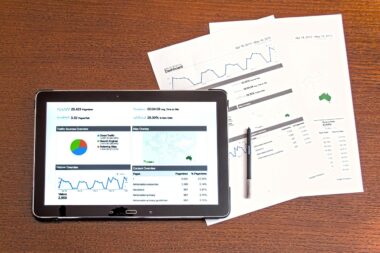
Another key benefit of utilizing marketing analytics is the ability to measure campaign effectiveness in real-time. Rather than waiting for after-the-fact reports, businesses can monitor the performance of their marketing initiatives as they unfold. This continuous monitoring enables swift adjustments to campaigns if they are not delivering the expected outcomes. The agility provided by real-time insights means that marketing strategies can be optimized on-the-fly, thus maximizing ROI. Marketers can identify which channels are performing well, which messages resonate most, and which designs generate the most engagement. Moreover, this flexibility leads to better resource allocation, ensuring that effective channels benefit from increased investment while less successful avenues can be refined or scaled back. Analytics tools provide dashboards that showcase key performance indicators (KPIs), enabling teams to visualize data clearly and effectively. By focusing on these metrics, marketers can prioritize initiatives that yield results. This data-centric approach helps organizations to create more impactful and measurable marketing strategies, ensuring they remain relevant. In essence, the capability to measure effectiveness on an ongoing basis revolutionizes how marketing functions and operates in a competitive landscape.
Personalization and Targeting in Marketing
Personalization has become a primary focus for marketers seeking to engage consumers effectively. In the age of big data, tailored marketing strategies based on analytics can dramatically increase consumer engagement. By analyzing customer data, marketers can create personalized experiences that resonate. Utilizing algorithms that suggest products or services based on previous interactions fosters deeper connections between brands and consumers. Effective targeting involves reaching the right audience at the right time, and marketing analytics provide critical insights into optimal targeting strategies. Marketers can segment their target audience based on demographic factors like age, gender, and location, as well as behavioral data reflecting past interactions. Through the strategic application of data analytics, brands can craft bespoke marketing messages that appeal directly to their consumers’ interests and needs. This not only enhances conversion rates but also amplifies customer loyalty and satisfaction. Additionally, personalized marketing facilitates the creation of relevant content that aligns with consumers’ preferences. Ultimately, data-driven personalization empowers marketers to transform how they engage with their customers, leading to more meaningful relationships and improved business outcomes.
Another essential aspect of marketing analytics is the ability to track and utilize various KPIs effectively. Key Performance Indicators are metrics that help marketers assess the success of their campaigns. Common KPIs include conversion rates, click-through rates, and customer acquisition costs. By continuously monitoring these metrics, organizations can determine which campaigns yield the best results. An emphasis on measurable performance allows businesses to streamline their marketing efforts and allocate resources to success-driven strategies. Furthermore, conducting A/B testing enables marketers to experiment with different approaches and refine their campaigns based on data-backed evidence. For instance, comparing different email subject lines or advertising copies can provide insights into what resonates with audiences. This iterative process of testing and learning ensures that marketing strategies evolve alongside changing consumer preferences. Marketing analytics also enables the tailoring of marketing messages across various platforms to increase relevance. By understanding the nuances of how different audiences engage on different channels, companies can create more impactful outreach strategies. Effective KPI tracking also translates to more strategic marketing investments, ensuring that budget allocations are data-driven.
Utilizing Technology and Tools
As businesses increasingly turn to data, it’s crucial to consider the role of technology and tools in marketing analytics. Emerging technologies such as artificial intelligence (AI) and machine learning are transforming the landscape of marketing analytics. These innovations allow organizations to analyze vast sets of data swiftly, uncovering insights that may not be immediately evident. Furthermore, marketing automation tools facilitate streamlined data collection and analysis, making it easier to implement analytics in everyday marketing practices. Platforms like Google Analytics and social media insights provide a wealth of data that can inform strategies. Moreover, many tools integrate various data sources, providing a holistic view of customer interactions and behaviors. They also support advanced reporting capabilities, enabling businesses to visualize data trends effectively. The significance of data visualization lies in its ability to communicate complex information in an easily digestible format. Leveraging technology enables marketing teams to work more efficiently, allowing insights to translate into actionable marketing strategies faster. Consequently, adopting technologies and tools that enhance marketing analytics becomes fundamental for organizations aiming for agile and responsive marketing practices in competitive environments.
In conclusion, leveraging data in marketing analytics is vital for developing effective marketing strategies. By understanding customer behavior, measuring campaign effectiveness, and employing personalization, businesses can significantly enhance consumer engagement and satisfaction. The technology and tools available today empower marketers to harness data to inform their decisions. As markets evolve, so too must marketing strategies, adapting to changing customer expectations and preferences. Embracing analytics allows for continuous improvement, ensuring that marketing efforts are effective and data-driven. Organizations that prioritize marketing analytics are better equipped to compete in an ever-changing landscape, consistently refining their strategies to current conditions. Additionally, by fostering a culture that values data, businesses can create a foundation that supports long-term growth and adaptability. A symbiotic relationship between data insights and marketing strategies paves the way for innovation and creativity within marketing teams. Ultimately, the evolution of marketing will rely on how effectively businesses leverage data for strategic decision-making. Thus, investing in marketing analytics is no longer optional; it is imperative for achieving sustained success and staying relevant in today’s marketplace.