
Digital Wallets and Mobile Banking: A Perfect Match
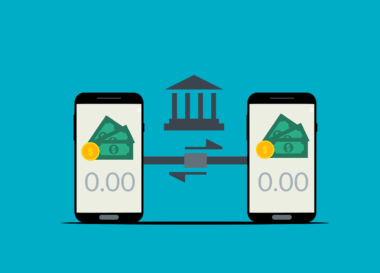
In today’s digital era, the rise of mobile banking and digital wallets has transformed the way consumers manage their finances. With technology advancing rapidly, more people are opting for convenient online banking solutions that offer seamless transactions and security. Digital wallets allow users to store money, make purchases, and send money effortlessly using their mobile devices. This fusion of services is designed to enhance user experiences while maintaining security and efficiency. Both digital wallets and mobile banking provide significant advantages, such as enabling users to monitor their spending habits, access financial services anytime, and anywhere. Furthermore, innovating technologies enable users to keep track of their transactions in real-time, making it easy to identify spending patterns. With the right digital wallet app, consumers can also benefit from loyalty programs, discounts, and cashbacks, adding more value to their everyday purchases. This seamless combination enhances customer engagement with financial products, thus boosting the financial technology sector overall. As consumer preferences shift toward mobile solutions, it becomes essential for banks and financial institutions to adapt to these changes.
Digital wallets not only facilitate transactions but also provide enhanced security and convenience. By using a digital wallet, users can make payments without exposing their sensitive banking information. The technology behind these wallets relies on encryption, tokenization, and biometric authentication, which significantly reduces the risk of fraud. Such advancements protect user data and contribute to building greater trust in digital financial services. When users no longer need to carry physical cards or cash, mobile wallets increase the speed of transactions and streamline the payment process. Additionally, these wallets are often linked to several accounts, allowing users to switch between payment methods seamlessly. Mobile banking apps play a crucial role in this ecosystem, allowing users to access their financial information and manage accounts from a single interface. With features such as account balance checks, fund transfers, and bill payments, banking apps have evolved into comprehensive financial tools. This consolidation of services empowers users to manage their assets better. As mobile technology evolves, we can expect to see even more innovative solutions arising within the fintech landscape.
Understanding Consumer Preferences in Mobile Banking
Understanding consumer behavior is essential for banks and fintech companies looking to innovate. Users are increasingly gravitating towards technology that enhances their lifestyle, prioritizes convenience, and ensures ease of use. With a large portion of the global population owning smartphones, mobile banking platforms must cater to various demographics, offering intuitive interfaces and clear functionalities. Customer feedback is a valuable resource in this regard; analyzing reviews and suggestions can lead to significant enhancements in app performance. Security remains a top concern for users, making safety features in mobile banking applications a priority. Recent surveys indicate that consumers prefer financial services that simplify transactions, while also providing alerts for suspicious activities. Moreover, the increasing importance of personal finance management tools is evident as users seek ways to optimize their budgets and savings. Financial institutions that integrate features like spending analytics, customizable spending limits, and automation of savings will likely resonate well with consumers. This adaptability enables banks to retain existing customers by addressing their concerns and meeting their evolving financial needs effectively.
Additionally, the adoption of advanced technologies like Artificial Intelligence (AI) and blockchain is revolutionizing mobile banking and digital wallet services. AI can enhance user experience through personalized recommendations and customer support via chatbots. By analyzing user data, AI algorithms can tailor financial advice, making it easier for users to make informed decisions. On the other hand, blockchain technology ensures secure peer-to-peer transactions by creating an immutable ledger of all transactions, minimizing fraud risks. As consumers become more aware of these benefits, they are likely to adopt mobile banking solutions that leverage these advancements. Fintech companies can further differentiate themselves by offering innovative features such as cryptocurrency wallets and integration with various payment platforms. Offering multi-currency support can also attract a broader audience as the world moves toward a more globalized digital economy. The rise of digital currencies makes it vital for financial institutions to embrace these changes. Emphasizing user-friendly interfaces and streamlined processes will ultimately encourage more individuals to explore the benefits of mobile banking and digital wallets.
Challenges of Integrating Digital Wallets with Mobile Banking
Despite the promising future of mobile banking and digital wallets, several challenges must be addressed by providers. One significant barrier involves regulatory compliance, as financial services must adhere to strict guidelines to protect consumers. These regulations vary across regions and can hinder the introduction of innovative solutions. Ensuring compliance adds layers of complexity for fintech companies, leading to potential delays in product launches. Consumer education also plays a crucial role in the adoption of these technologies; many individuals are still unsure how to utilize digital wallets and mobile banking effectively. A lack of understanding can lead to hesitations in fully embracing these solutions. Moreover, technical issues such as system outages or connectivity problems can discourage users. Ensuring reliable performance across platforms is critical to maintaining user trust. As the competition grows, companies must provide consistent user experiences and address customer concerns promptly. Finally, cybersecurity risks are an ongoing threat, making it essential for financial institutions to continually update and fortify their security measures. A proactive approach in addressing these challenges will determine the long-term success of integrating mobile banking with digital wallets.
As mobile banking and digital wallets continue to evolve, partnerships between banks and fintech companies will play a crucial role in shaping the industry. Collaborations can lead to more innovative solutions, accelerating the development of advanced features. For instance, banks can leverage fintech startups’ agility. Conversely, fintech firms gain access to the vast customer base and financial expertise of established banks. These synergies create a win-win situation that benefits consumers through enhanced services. Moreover, strategic partnerships can lead to better integration of digital wallets with existing banking infrastructure, allowing for a more cohesive user experience. In a competitive landscape, collaboration may turn out to be more advantageous than competition. As a result, customers may enjoy tailored experiences that meet their unique financial needs. This approach encourages the adoption of mobile banking solutions, fostering a culture of innovation in the sector. Emphasizing transparency and security will significantly impact consumer trust in these partnerships. Continuous improvements to enhance performance and address customer needs will position banks and fintech companies favorably within the industry.
The Future of Mobile Banking and Digital Wallets
Looking ahead, the future of mobile banking and digital wallets is undoubtedly promising. As technology continues to progress, consumers can expect to see even more innovative features and services. The growing trend towards contactless payments indicates that users value speed and convenience, prompting banks to refine their offerings. Voice-activated payments, augmented reality features, and enhanced rewards systems may redefine the customer experience even further. There is also a significant opportunity for financial institutions to explore sustainable finance options. Integrating ethical investing features within mobile banking apps can attract environmentally conscious consumers. Furthermore, the rise of artificial intelligence and machine learning will enable even smarter personal finance management tools, optimizing spending habits and investment strategies for users. As both industries continue to converge, successful implementation will depend on prioritizing trust and transparency. The unique combination of digital wallets and mobile banking aims to meet consumers’ comprehensive financial needs. By focusing on innovative solutions and addressing consumer concerns, the future landscape of financial technology will enhance accessibility and knowledge for users, making financial management more manageable and rewarding.
In conclusion, digital wallets and mobile banking form an unprecedented alliance that benefits consumers immensely. This partnership epitomizes convenience, security, and efficiency while transforming traditional banking models. As these technologies mature, consumer expectations will evolve. Financial institutions and fintech companies must be prepared to adapt and innovate. By prioritizing user experience, integrating advanced technology, and addressing challenges head-on, they can stay ahead of the curve. Financial institutions that acknowledge the shifting landscape can foster trust and loyalty among their customer bases. Additionally, as mobile solutions advance, educational initiatives become increasingly essential to help consumers understand and navigate these technologies confidently. This knowledge empowers individuals and encourages the adoption of financial tools that were once foreign to them. As we witness this transformation, it is crucial to remember that technology serves as a means of enhancing financial well-being. Ultimately, collaborative efforts between banks and fintech firms will pave the way for a more secure and engaging financial future. Together, they can unlock the full potential of mobile banking and digital wallets, leading to improved financial literacy and inclusivity for all.