
Legal Frameworks Governing Employee Privacy Rights
Employee privacy rights are significantly influenced by various legal frameworks that address monitoring practices in workplaces. These frameworks include federal, state, and international laws that aim to protect employees from unwarranted surveillance. In the United States, the primary legislation, such as the Electronic Communications Privacy Act (ECPA), delineates what employers may monitor. However, exceptions exist that afford employers considerable leeway in tracking employee communications under certain conditions. Alongside federal laws, state laws can offer heightened protections, with some jurisdictions enacting specific statutes limiting employer monitoring. These protective measures reflect a growing acknowledgment of the need to balance employer interests with employee privacy. Accordingly, employers must be aware of these legal stipulations when implementing monitoring technologies to avoid potential litigation. The legal landscape surrounding employee monitoring is not static; it evolves with societal norms and technological advancements. Therefore, ongoing legal assessments and adaptations are crucial for corporations to ensure compliance and foster trust within their workforce. Ultimately, fostering a legally compliant monitoring environment may enhance employee morale and productivity by establishing transparency and respect for individual privacy rights.
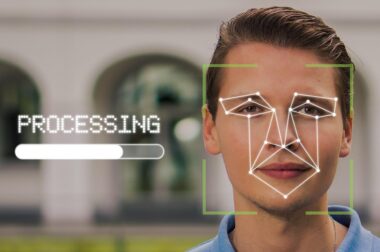
There are various types of employee monitoring practices that organizations may implement. Common methods include video surveillance, telephone monitoring, and computer usage tracking, each with its own set of legal implications. For instance, video surveillance in the workplace may be legally permissible but raises ethical considerations regarding employee consent and reasonable expectations of privacy. Electronic communications, such as emails and instant messages, can be monitored under specific legal guidelines, but employees often have varying expectations regarding their privacy. Some employees may feel comfortable with monitoring in specific contexts but uncomfortable when their activities are constantly surveilled. Employers should establish clear policies regarding monitoring practices to ensure transparency while adhering to legal requirements. This helps create a mutual understanding between the organization and its employees about what is being monitored and why. Furthermore, regular training regarding these monitoring policies can foster compliance and respect for privacy within the workplace. Employers who prioritize these practices demonstrate a commitment not only to security but also to upholding employee rights and dignity within their organizational culture. This balance may lead to more fruitful employer-employee relationships and ultimately improved productivity.
Implications of the General Data Protection Regulation
The General Data Protection Regulation (GDPR) plays an essential role in shaping employee monitoring rights within the European Union. This comprehensive regulation emphasizes the protection of personal data, and companies must now carefully evaluate their monitoring practices. GDPR enforcement obliges employers to justify the necessity and proportionality of their monitoring activities to avoid potential fines. Under GDPR, employees have the right to be informed about what data is collected, how it is used, and the purpose of its collection. Furthermore, employees can request to access their personal data, prompting employers to ensure that their monitoring policies are not only legal but also ethical. Additionally, organizations must implement appropriate technical and organizational measures to protect employee data, reflecting GDPR’s robust approach to privacy rights. Non-compliance can result in severe financial repercussions, pushing many organizations toward conducting regular audits of their data handling practices. This shift toward prioritizing employee privacy necessitates a more transparent and accountable organizational culture as businesses adapt to GDPR’s stringent requirements. As a consequence, employees may find themselves in a workplace where their privacy rights are taken seriously and respected.
Another essential framework influencing employee monitoring is the Health Insurance Portability and Accountability Act (HIPAA), which sets standards for protecting sensitive health information. Employers in certain industries, particularly healthcare, must navigate HIPAA’s regulations while monitoring employee activities, ensuring that the confidentiality of patient data is maintained. Violations of HIPAA can result in substantial penalties, underscoring the importance of compliance for businesses operating in healthcare settings. Organizations must implement strict monitoring policies that adhere to HIPAA requirements while remaining vigilant about employee privacy. Furthermore, employers need to conduct regular training sessions to inform employees about privacy rights and best practices for safeguarding confidential information. Such initiatives not only promote compliance but also cultivate a culture of accountability and respect for patient privacy. Consequently, organizations benefit from improving employee awareness of their privacy rights and responsibilities, enhancing the overall quality of care provided. Healthcare employers must ensure that their monitoring practices do not inadvertently compromise employee rights, as maintaining a positive workplace culture is vital in delivering effective patient care. This balance between compliance and privacy remains crucial in the healthcare industry’s evolving landscape.
Case Law Shaping Employee Privacy Rights
Various notable court cases have significantly shaped the legal framework surrounding employee privacy rights. A landmark case, “Cookie v. United States” established that employees have limited expectations of privacy regarding workplace communications, particularly on employer-owned devices. This case exemplified the judicial interpretation that employers have a vested interest in monitoring communications to protect their business interests. However, it also sparked discussions about the ethical implications of invasive monitoring practices. In contrast, the case of “Bram v. United States” emphasized the necessity for employers to establish clear policies governing electronic monitoring. Courts have consistently highlighted that the absence of clear policies may lead to legal repercussions, forcing organizations to establish transparent monitoring practices. The potential for lawsuits or regulatory scrutiny amplifies as monitoring technologies advance. Additionally, courts have ruled in favor of employees when employers failed to inform them adequately about monitoring practices, indicating that transparency is crucial in navigating this legal landscape. Therefore, employers must remain vigilant in staying updated on precedents that influence employee privacy rights and adjust their policies accordingly to mitigate legal risks while fostering a positive workplace environment.
Another critical aspect of employee monitoring involves the ethical considerations accompanying such practices. Employers must weigh the benefits of monitoring against potential infringements on employee privacy rights to establish fair policies. A culture of trust and transparency can be nurtured when employees are informed about monitoring practices and their underlying purposes. Engaging employees through open dialogues regarding monitoring policies helps to clarify misunderstandings and bolster trust. It is essential for employers to highlight that monitoring is not solely for punitive measures but can also enhance productivity, security, and compliance with legal obligations. Such communication fosters a more collaborative environment, allowing employees to express their perspectives on the monitoring practices implemented. Engaging employees in feedback loops surrounding monitoring policies can lead to improved strategies that address privacy concerns while enabling effective monitoring. As organizations face increasing scrutiny regarding their ethical obligations, it becomes imperative to develop suitable guidelines that prioritize both security and privacy needs. Striking a balance between monitoring activity and maintaining employee trust will result in better employee morale, loyalty, and productivity in the long term, ultimately benefiting the organization.
Future Trends in Employee Privacy Rights
The landscape of employee monitoring and privacy rights continues to evolve rapidly following technological advancements. As organizations increasingly adopt artificial intelligence (AI) and big data analytics in monitoring practices, new ethical implications arise for employee privacy. These technologies can provide enhanced insights into workforce behavior, helping organizations optimize performance, but they also prompt concerns regarding the invasiveness of monitoring practices. Employers must tread carefully to respect individual privacy rights while leveraging technology for improved outcomes. Future legal frameworks must adapt to keep pace with emerging technologies, requiring stakeholders to engage in continuous dialogue about privacy rights. Employees may seek greater control over their personal data and monitoring practices, leading to potential legislative reforms that prioritize transparency and user consent. Companies may need to invest in technologies that provide fair monitoring solutions while ensuring employees feel comfortable in their working environments. As public awareness regarding data privacy grows, organizations will be compelled to adopt ethical practices that respect employee privacy rights while achieving business objectives. The balance between innovative monitoring and privacy will significantly influence employee engagement and workplace culture in this rapidly changing environment.
In conclusion, navigating the legal frameworks surrounding employee privacy rights is a complex as well as crucial endeavor for organizations. By understanding applicable federal, state, and international regulations, employers can implement monitoring practices that adhere to legal requirements and respect individual privacy rights. This balance is essential for fostering a positive workplace culture where employees feel valued and respected. By cultivating trust with transparency regarding monitoring practices, organizations maintain their workforce’s morale and productivity. Moreover, as new technologies reshape the future of work, legal frameworks will need to adapt accordingly, prompting a shift towards more ethical and transparent monitoring solutions. Employers must prioritize employee privacy while conducting necessary monitoring to protect their business interests. Such an approach ensures compliance with existing laws and demonstrates a commitment to ethical business practices. Ongoing assessments of monitoring practices and legal compliance will be necessary to navigate this dynamic environment effectively. In conclusion, organizations must adopt a proactive stance in understanding employee rights and fostering an environment that prioritizes privacy while pursuing their monitoring objectives.