
The Connection Between Credit History and Loan Terms
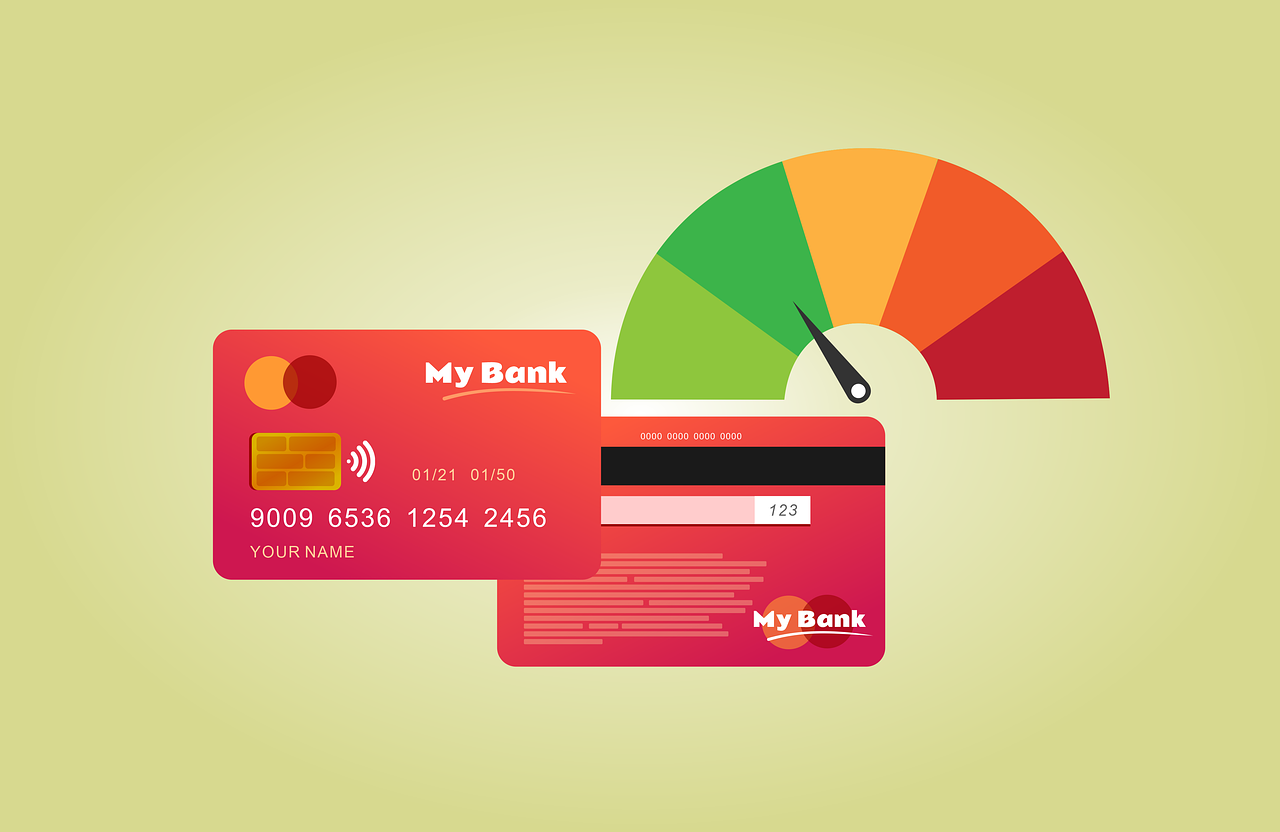
Credit scores serve as a vital component in the decisions made by lenders when determining the terms of loan agreements. They encapsulate an individual’s financial history, thereby providing lenders with insight into their reliability and trustworthiness. Essentially, a credit score is a numerical representation, crafted based on one’s credit reports, which detail how well a borrower has managed previous debts. The score ranges typically from 300 to 850; the higher the score, the more favorable the loan conditions. Lenders utilize these scores not merely to approve or deny applications but to establish interest rates, credit limits, and payment terms. A higher score often translates to lower interest rates, thus saving borrowers significant amounts over time. Conversely, a low score may result in higher interest rates or even lack of approval altogether. It’s crucial for potential borrowers to understand their credit reports and their impact on financial options. Regular monitoring of one’s credit history helps in maintaining a healthy score, ensuring an advantageous position when applying for loans. Awareness of this connection is fundamental for anyone considering significant borrowing.
The relationship between credit scores and loan approval extends beyond just numbers; it significantly affects the overall financial well-being of individuals. When considering a loan, borrowers should be aware that lenders often group applications based on risk factors associated with credit scores. A lower score could imply a higher risk for the lender, leading to stricter terms or even outright denials. Various factors influence credit scores, including payment history, outstanding debts, the length of credit history, types of credit accounts, and any recent inquiries. Each of these elements plays a critical role in how lenders view a potential borrower’s ability to repay a loan. Borrowers can improve their chances of approval by working on these aspects; for instance, consistently making on-time payments can significantly boost one’s score. Additionally, diversifying credit accounts responsibly and avoiding excessive hard inquiries can also be beneficial. By understanding the components that contribute to credit scores, borrowers can take proactive steps toward improving their financial profiles, enabling better loan opportunities. The repercussions of credit scores extend further into long-term financial planning and security.
Impact of Credit History on Interest Rates
Interest rates are a direct consequence of credit scores, where the interplay between score and rate can greatly influence the total cost of loans. For individuals with higher credit scores, lenders often offer lower interest rates due to perceived reliability and less risk. This difference can translate into substantial savings over the life of a loan. For example, even a small percentage difference in interest rates can amount to thousands of dollars over a typical mortgage term. In contrast, those with lower credit scores may face significantly higher rates, often making loans unaffordable or discouraging borrowers from applying. It’s crucial for borrowers to understand this relationship when making decisions about loans, as it can profoundly impact their monthly payments and total repayment amounts. Additionally, improving one’s credit score before applying for a loan can be a wise financial strategy. Strategies to improve scores include reducing existing debt and ensuring timely payments. These actions not only enhance credit profiles but yield more favorable interest rates, ultimately making it easier for borrowers to manage repayment. Thus, understanding interest rates as tied to credit history is vital in financial planning.
Loan terms are often negotiated based on credit history, with borrowers possessing a robust score enjoying streamlined conditions. Terms can vary widely among borrowers, especially when one’s credit profile showcases a solid repayment history. Lenders favor applicants who have demonstrated responsible financial behavior, leading to flexible loan structures, which may include longer repayment periods, lower fees, or additional borrowing capacity. This is because a good credit history instills confidence in lenders, making them more likely to overlook minor discrepancies in applications. Conversely, a poor credit history can significantly limit options, forcing borrowers into unfavorable conditions. Often, these restrictions lead to higher fees, shorter repayment terms, and bigger down payment requirements. This strict categorization places pressure on those with less favorable credit histories, compelling them to either improve their scores or seek alternative financing solutions. Alternatives, while available, may come with their own risks such as higher interest rates or predatory terms. Therefore, it is essential for borrowers to strategize by evaluating their options and potential impact on long-term financial health when considering repeat borrowing.
Strategies for Improving Credit Scores
Improving one’s credit score is an achievable goal that can significantly influence loan terms and approval chances. Various strategies can assist individuals in enhancing their credit profiles, ultimately leading to better lending experiences. First and foremost, timely payment of bills is fundamental; setting reminders or using automatic payments can mitigate late fees and negative reporting. Additionally, paying down existing balances will lower credit utilization ratios, which are crucial factors in scoring models. Another effective strategy is to avoid opening numerous new accounts within a short period, as this can negatively impact credit scores due to multiple inquiries. Instead, maintaining older accounts demonstrates a longer credit history, which positively affects scores. Regularly reviewing credit reports helps individuals identify errors that could inadvertently harm credit ratings. Upon discovering inaccuracies, it is essential to dispute them promptly with the credit bureaus. Lastly, diversifying credit types, such as incorporating installment loans along with revolving credit, may also facilitate score improvement. By implementing these strategies with diligence and consistency, individuals can navigate their way toward healthier credit profiles, enhancing their loan opportunities and terms.
The interplay between credit scores and loan terms is further complicated by external factors, including economic conditions and lending regulations. During economic downturns, lending criteria often tighten, making it even more critical for borrowers to possess strong credit profiles. In such environments, lenders become more risk-averse, which can intensify the scrutiny applied to credit scores. Consequently, applicants may find themselves facing challenges despite having previously acceptable scores. Awareness of current lending climates helps borrowers prepare for potential shifts in approval procedures and interest rate offerings. Staying informed allows individuals to anticipate necessary actions like boosting scores ahead of major purchases. Furthermore, understanding the nuances of local and federal regulations can reveal new options for accessing credit. Some programs may provide specific advantages based on credit profiles or income levels; thus, researching various offerings is advisable. By acknowledging both the inherent risks associated with varying credit scores and the external influences affecting lending, borrowers can better position themselves in their financial journeys. Ultimately, a proactive approach to credit management serves as a cornerstone for achieving favorable loan terms and financial well-being.
Final Thoughts on Credit Scores
In conclusion, the connection between credit history and loan terms plays a significant role in an individual’s financial health and future opportunities. Credit scores are more than just numbers; they encapsulate a person’s financial behaviors, influencing crucial aspects of borrowing. Understanding how each component of the credit score is weighed can empower borrowers to make informed decisions. Continuous monitoring and proactive engagement in improving credit health can lead to strong scores and subsequently favorable loan terms. Moreover, as financial landscapes evolve, borrowers must remain adaptable, evaluating their credit situations while being informed about lending trends. This adaptability will ensure not only better access to loans but will also cultivate a pathway to greater financial security and growth. Additionally, seeking advice from financial professionals to navigate complex loan terms based on credit can enhance understanding and strategy. Ultimately, borrowers must take charge of their credit futures, striving for excellence in financial management and establishing solid foundations for upcoming financial ventures. Through commitment and education, it’s possible to achieve the best lending conditions based on your credit history.
The relationship between credit scores and loan approval extends beyond just numbers; it significantly affects the overall financial well-being of individuals. When considering a loan, borrowers should be aware that lenders often group applications based on risk factors associated with credit scores. A lower score could imply a higher risk for the lender, leading to stricter terms or even outright denials. Various factors influence credit scores, including payment history, outstanding debts, the length of credit history, types of credit accounts, and any recent inquiries. Each of these elements plays a critical role in how lenders view a potential borrower’s ability to repay a loan. Borrowers can improve their chances of approval by working on these aspects; for instance, consistently making on-time payments can significantly boost one’s score. Additionally, diversifying credit accounts responsibly and avoiding excessive hard inquiries can also be beneficial. By understanding the components that contribute to credit scores, borrowers can take proactive steps toward improving their financial profiles, enabling better loan opportunities. The repercussions of credit scores extend further into long-term financial planning and security.