
Integrating Scrum with Other Agile Frameworks in Business Projects
In today’s dynamic business environment, organizations are increasingly turning to Agile methodologies to foster innovation and efficiency. One prominent Agile framework is Scrum, which emphasizes iterative progress through sprints and regular feedback loops. However, many businesses find it beneficial to integrate Scrum with other Agile frameworks such as Kanban or Lean. This integration leads to greater flexibility and responsiveness to changing project demands. The combination of frameworks allows teams to harness the strengths of each approach. For instance, while Scrum focuses on delivering a defined product incrementally, Kanban emphasizes flow and visualization, which can enhance transparency. This synergy not only improves workflow but also elevates team productivity. Furthermore, understanding how to balance Scrum principles with those of other frameworks can create a more robust project management structure. This versatility enables teams to adapt their strategies based on specific project requirements while maintaining a clear path toward project completion. Ultimately, finding the right blend of frameworks can lead to successful outcomes.
In integrating Scrum with other agile frameworks, it is imperative to define clear goals for the hybrid approach. Establishing objectives will guide the team’s efforts toward achieving desired outcomes. Additionally, stakeholders must be on board with this integration to facilitate smooth transitions between methodologies. Important considerations include understanding roles, responsibilities, and work processes that each framework entails. For example, in a project that utilizes both Scrum and Kanban, defining when to hold Scrum ceremonies while integrating Kanban’s visual management tools is essential. The clarification of these roles fosters alignment in teamwork and minimizes confusion. Project managers can leverage tools like JIRA or Trello to coordinate tasks more effectively. Furthermore, the practices of continuous improvement inherent to Agile should be employed to refine this integrated approach. Continuous feedback allows teams to adjust and optimize their workflows based on data-driven decisions. By creating an open dialogue among team members, leaders can ensure everyone feels engaged and informed about the integration process. This holistic strategy not only strengthens teams but also enhances overall project outcomes.
Challenges of Integrating Scrum with Other Agile Frameworks
While integrating Scrum with other Agile frameworks provides numerous advantages, it also presents specific challenges that teams must navigate. Aligning different methodologies can lead to clashes in practices, particularly if team members are accustomed to distinct processes. For instance, Scrum’s time-boxed sprints may conflict with Kanban’s flow-based approach, which can create inefficiencies. Regular communication and adaptability are crucial to overcome these challenges. Moreover, organizations may face resistance from team members who are hesitant to adopt a new approach, especially if they have invested time into mastering their current methodologies. Building a culture of flexibility and empathy can help ease transitions. Additionally, comprehensive training programs focusing on the integrated framework can build competency and confidence within the team. Leaders should emphasize the importance of collaborative planning and setting shared expectations to align team members. Creating small cross-functional teams that practice these integrations can foster camaraderie. Establishing feedback loops will aid in continuously assessing the effectiveness of the integration, ensuring that any issues encountered are promptly addressed. Continuous learning is key to making this hybrid approach succeed.
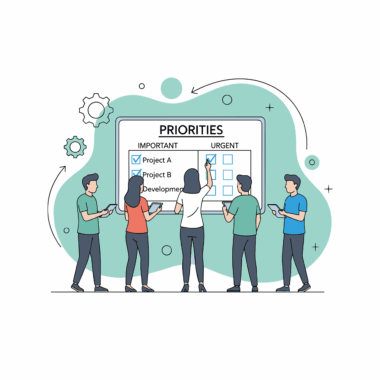
Another crucial aspect of integrating Scrum with other Agile frameworks is adapting the tools and practices employed. Utilizing appropriate software can enhance collaboration and visibility across different methodologies. For example, tools like Microsoft Teams or Asana can facilitate interaction between team members and streamline project workflows. By customizing these tools to fit both Scrum and Kanban principles, teams can ensure alignment with their goals. Proper visualization of tasks and progress using kanban boards, in addition to Scrum artifacts such as product backlogs, can provide clarity to the entire team. This setup promotes accountability and transparency among all participants. A careful analysis of user stories and prioritization is equally important to prioritize tasks effectively. Transitioning to a blended Agile environment may require adjustments to the team’s weekly and daily routines. This flexibility allows teams to monitor their performance and pivot when necessary. Adapting meetings to incorporate both Scrum ceremonies and Kanban reviews will ensure smooth operations. These adjustments not only help synchronize workflows but can also foster a more collaborative work environment.
Key Benefits of Integration
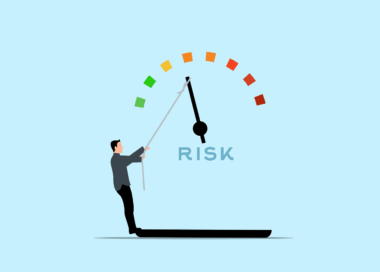
Integrating Scrum with other Agile frameworks can yield significant benefits, particularly in improving team collaboration and enhancing productivity. Firstly, by leveraging the strengths of various frameworks, teams can develop a customized approach that fits their specific project needs. This personalization can result in increased engagement and buy-in from all stakeholders involved. Secondly, combining scrum’s iterative process with the continuous flow of Kanban can lead to rapid delivery cycles, improving time-to-market for product features. This accelerated pace allows organizations to remain competitive within their respective industries. Additionally, the adoption of several frameworks encourages diverse perspectives, which can foster creativity and innovation. Through collaboration among different functional teams, there is a greater chance of uncovering unique solutions to project challenges. Finally, integrating frameworks can enhance risk management by providing a multi-faceted view of project dependencies. With both Scrum’s sprint reviews and Kanban’s visual cues, teams can proactively identify potential issues before they escalate. This integrated approach ultimately helps create a resilient and responsive project management culture.
As organizations strive to adopt Agile at a larger scale, integrating Scrum with other frameworks becomes an essential consideration for success. Large-scale frameworks like SAFe or LeSS provide valuable insights into how Scrum can function alongside other methodologies effectively. These frameworks emphasize the importance of alignment across multiple teams, enabling organizations to navigate complexity. Furthermore, embedding Scrum within these larger frameworks encourages teams to maintain accountability and focus on delivering customer value. Leaders should facilitate cross-team collaboration to foster cohesion, which reinforces the shared goals that align with the organization’s mission. Through alignment and collaboration, different Agile teams can share learnings and best practices, promoting a culture of continuous improvement. Leaders can engage in regular retrospectives that evaluate the integrated Scrum approach’s success, drawing insights to improve future implementations. Having a dedicated team of Agile coaches can also support this transition, as they guide and mentor teams in navigating the complexities of using multiple frameworks. Ultimately, maintaining a focus on customer satisfaction amidst complexity remains at the heart of any hybrid Agile strategy.
Measuring Success in Integrated Frameworks
When integrating Scrum with other Agile frameworks, measuring success is critical to understanding the overall effectiveness of this hybrid approach. Organizations need to establish key performance indicators (KPIs) that reflect both the Agile principles and project-specific objectives. These KPIs may include delivery speed, team morale, quality of work, and customer satisfaction levels. For instance, tracking cycle time and lead time across both Scrum and Kanban can provide insights into overall productivity. Regular reviews of these metrics will allow teams to identify where improvements can be made to enhance workflows and efficiency. Moreover, benchmarking with other teams within the organization can help in understanding how well an integrated approach is performing. Conducting surveys to gauge team satisfaction and engagement levels is equally important, ensuring that the integration is positively impacting team dynamics. Additionally, leveraging tools like Burn Up/Burn Down charts can visually represent progress, aiding in decision-making. By placing value on reflective practices, teams can continuously learn and adapt their integrated approaches for better outcomes. This focus on measurement and adaptability can establish a foundation for long-term success.
Integrating Scrum with other Agile frameworks ultimately requires a cultural shift within organizations that embrace these methodologies. Cultivating an environment that supports autonomy, collaboration, and experimentation is key to successful integration. Educating team members about the benefits of both frameworks can foster a shared understanding and support. This educational approach should include workshops, training sessions, and peer learning opportunities that encompass best practices. Celebrating successes and recognizing contributions from team members promotes a culture of collaboration and innovation. Leadership plays a vital role in embodying these values and setting the tone for integration. By sharing success stories and providing ongoing support, leaders can encourage buy-in from all levels of the organization. Furthermore, facilitating open feedback channels and creating space for questions promotes transparency and fosters trust among team members. As teams navigate challenges and celebrate successes, they will build resilience along their Agile journey. This cultural shift, in turn, can create a sustainable environment for harnessing Agile methodologies effectively. Through commitment to continuous improvement and integration of frameworks, organizations can enhance their project outcomes and achieve their overarching goals.