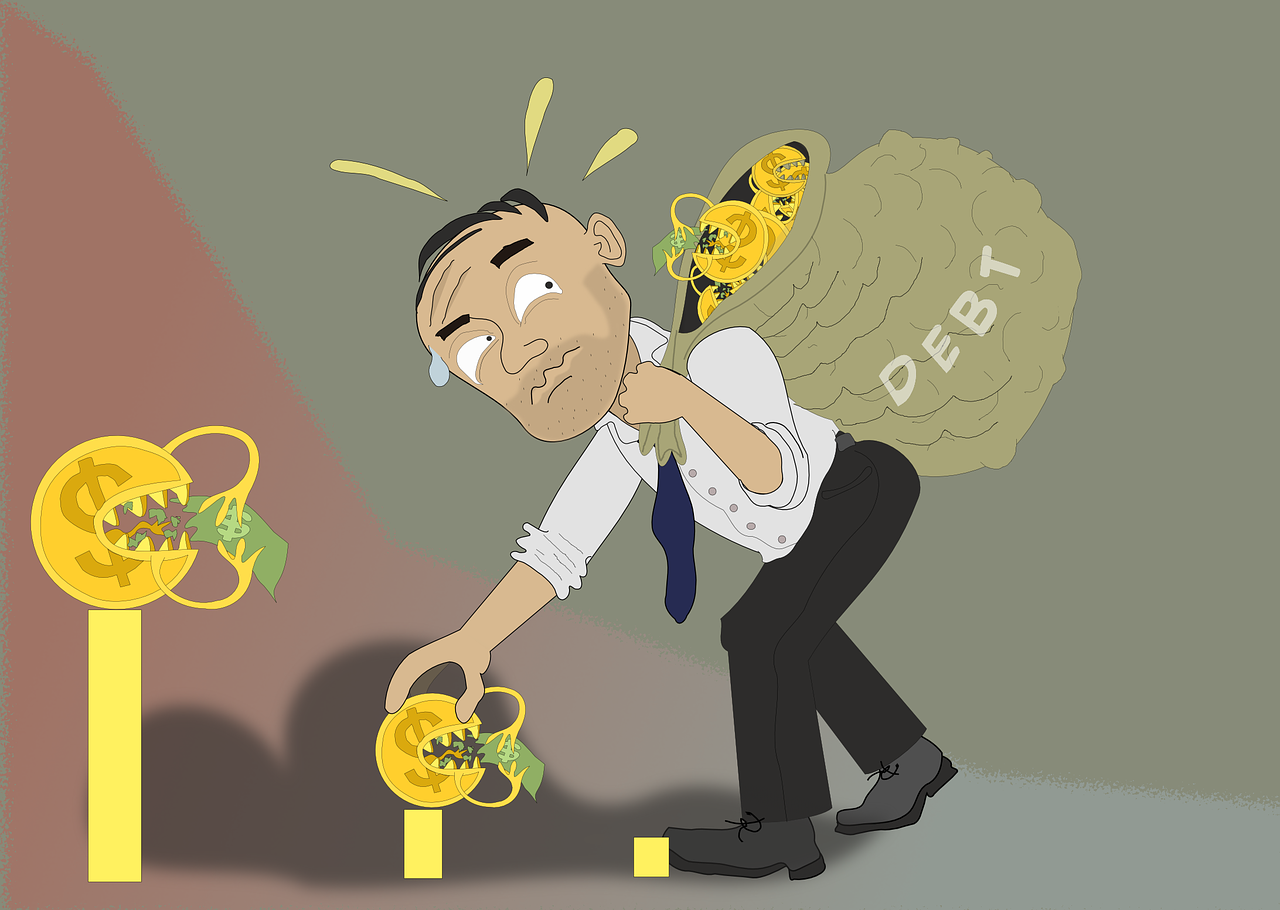

How Debt Settlement Works: Step-by-Step Guide
Debt settlement is a useful strategy for individuals struggling with overwhelming financial obligations. The process typically begins with an assessment of your financial situation. Through this assessment, you identify the amount of debt you owe and gauge your ability to make payments. Many people choose to work with a debt settlement company, which negotiates on their behalf. It is essential to evaluate potential companies carefully and select those with a proven track record. The settlement company will assess your debts with your creditors and propose a reduced payment amount that is manageable for you. Once settled, you’ll pay an agreed amount, which is usually less than what you originally owed. This can provide considerable financial relief and help you regain control over your finances. However, it’s crucial to be aware of the impact this process can have on your credit score. Settling debts can lead to lower credit ratings in the short term, but often, it may be a better option than bankruptcy. Understanding your full financial picture will empower you to make informed decisions during this process.
Initiating the Debt Settlement Process
The next step after assessing your financial situation is to initiate the debt settlement process itself. To do this effectively, start by contacting the creditors you owe money to. Explain your situation clearly and express your desire to reach a settlement. This can involve multiple discussions, so patience is critical. During negotiations, your aim is to significantly reduce the amount owed, ideally by up to 50% or more. In most cases, creditors are willing to accept lump-sum payments to settle debts. If you can gather funds, it may be beneficial to offer a one-time lump-sum payment instead of extending the payment period. This approach can encourage creditors to accept your settlement proposal more readily. Be prepared to document your financial hardship to support your case. Additionally, ensure that any agreed-upon settlement is documented in writing. This protects you from further claims on that debt later on. Keeping a paper trail is vital throughout this process, as it provides clarity and proof of the agreements reached, which can save you a great deal of hassle moving forward.
Negotiating with Creditors
Negotiating with creditors is perhaps one of the most challenging aspects of the debt settlement process. You might feel intimidated when discussing your financial difficulties with them, yet it is an important step. Approach negotiations with a clear understanding of your finances and what you can afford. If you have a legitimate financial hardship, explain it to the creditors honestly. Be direct yet diplomatic in your communication. Most creditors prefer to negotiate than to deal with persistent non-payment. It is generally advisable to have a specific settlement amount in mind, ideally 40% to 60% of your current outstanding balance, as that can facilitate discussions. Realistically, creditors may counter your offer, but don’t hesitate to negotiate further. Stay firm on your limits based on what you can comfortably afford without compromising your living expenses. Always ask for a written settlement agreement after reaching an agreement verbally. This protects you in case of future discrepancies. By maintaining communication and flexibility, you improve your chances of successfully negotiating a reduction in your debt.
Once a debt settlement is reached, there are several additional steps to consider. Firstly, confirm that the settlement process is finalized. Creditors should send you written confirmation of the settled amount. This document is crucial, as it will serve as evidence of your debt forgiveness. Be sure to keep this information for your records, as it may come in handy later. If the debt has been reported to credit bureaus, the record will typically note ‘settled’ rather than ‘paid in full’. Although ‘settled’ is better than ‘delinquent’, it may still affect your credit score. Nevertheless, understanding the importance of financial recovery following a settlement is vital as it allows you to rebuild your credit score over time. Focus on creating a budget and managing future debts more responsibly. By keeping track of your spending and avoiding further high-interest debts, you will gradually improve your financial status. Regularly monitoring your credit score can aid you in assessing improvements. Additionally, consider establishing an emergency fund to prevent similar situations in the future.
Post-Settlement Considerations
Post-settlement considerations are crucial to recovering financially. Managing your money effectively after settling your debts is essential for long-term success. To begin, create a detailed budget that aligns with your financial goals. Identify all sources of income and a comprehensive list of necessary expenses. Prioritize essential bills such as rent, utilities, and groceries. It may be necessary to adjust your lifestyle temporarily to accommodate a new financial reality. Establishing an emergency fund should also be a key part of your post-settlement strategy. This fund will prepare you for unexpected expenses that could arise in the future. Additionally, consider working with a financial advisor to help navigate this new chapter. They can provide tailored advice on rebuilding your credit and making wise investment choices. During this time, avoid accumulating new debt as it can undermine your efforts. Instead, focus on maintaining good financial habits, such as separating needs from wants and monitoring your credit report closely for any discrepancies. Finally, remind yourself that managing your finances is a gradual process that requires commitment and accountability.
Benefits of Debt Settlement
Debt settlement offers numerous benefits to individuals facing financial difficulties. Firstly, it can significantly reduce the overall amount of debt that you owe, allowing for a quicker path to financial freedom. In many cases, individuals can negotiate settlements for far less than half of what they originally owed, which makes this process appealing. Settling debts can alleviate stress and mental anguish associated with overwhelming finances. A significant reduction in overdue debt can enhance your overall well-being and promote better financial habits moving forward. Furthermore, completing a debt settlement can pave the way for improved financial management in the future, as individuals gain a better understanding of budgeting and responsible spending. Becoming aware of financial choices is vital for long-term recovery. Although it can negatively impact credit scores initially, many people find that their credit improves over time with diligent financial practices. Lastly, this process generally takes less time than filing for bankruptcy, permitting a more rapid return to financial health. Overall, the benefits of debt settlement often outweigh the challenges, making it a worthwhile consideration for those struggling with excessive debt.
In conclusion, debt settlement is a viable option for individuals grappling with unmanageable debts. The process involves several steps, from assessment and negotiation to post-settlement recovery. While it may seem daunting, understanding each phase will empower you to navigate the process more effectively. It is important to remember that working with professional debt settlement companies can lend valuable expertise and guidance, ensuring that you don’t navigate this challenging period alone. Always be prepared to negotiate and document each agreement, as this will benefit you greatly in the long run. Moreover, once the debts are settled, focus on rebuilding your credit and establishing sound financial habits. Persistence in managing your finances will yield positive results over time. It is necessary to strike a balance between saving for emergencies and addressing essential living expenses. Ultimately, dealing with or resolving debt is a crucial step towards securing a more financially stable future. While the journey may have its ups and downs, staying informed and proactive will serve you well. Fortunately, with debt settlement, a fresh start may soon be within reach.