
Building Sustainable Capacity with Strategic Grant Utilization
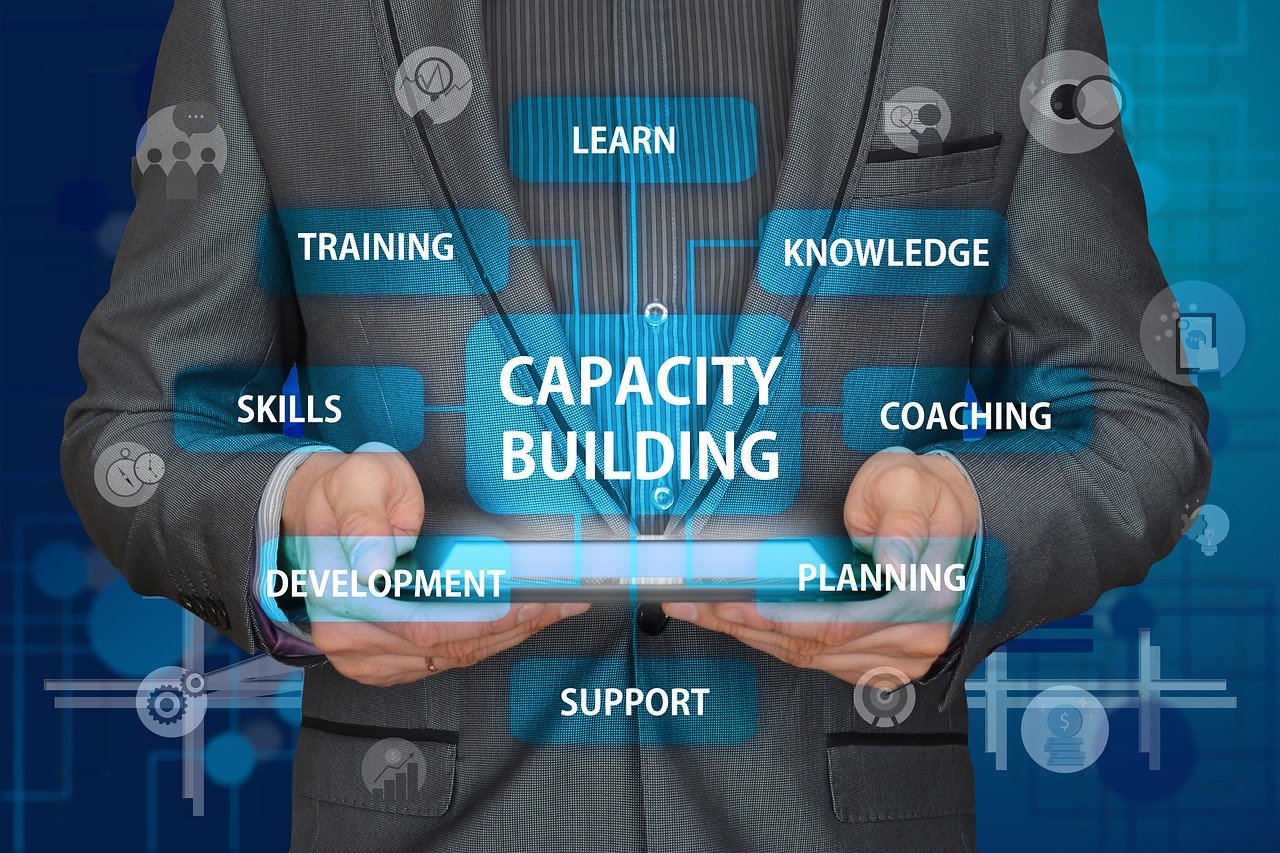
Grants play a pivotal role in capacity building, enabling organizations to enhance skills while achieving critical objectives. By identifying suitable grants, organizations can develop frameworks that promote sustainability and growth. This strategic utilization involves assessing the grant’s purposes and aligning them with long-term goals. Organizations must implement strong administrative systems for tracking and reporting grant usage to ensure compliance and optimize funding. It is essential to engage stakeholders and provide input in grant proposal processes. Stakeholder involvement fosters greater transparency and ownership while enhancing the likelihood of success. Furthermore, organizations should consider capacity-building activities supported by grants, such as training programs, workshops, or mentoring efforts. Such initiatives enhance personnel skills, contributing to overall organizational effectiveness. As a result, grant funding transforms from mere financial support to a vital investment in human capital. Collaborations with external experts can further enrich these programs, offering unique insights into best practices in capacity building. Ultimately, cultivating a robust funding strategy is necessary for achieving sustained growth while utilizing grants effectively.
To fully harness the potential of grants, meticulous planning is crucial. Organizations should develop comprehensive needs assessments that pinpoint specific areas for improvement. An elucidated needs assessment informs the selection of grants that address identified gaps, aligning funding opportunities with organizational strategies. Such targeted approaches enhance the effectiveness of interventions and increase the odds of receiving grants. Furthermore, crafting compelling proposals is essential in securing financial support. This involves clearly articulating the organization’s mission, vision, and objectives while presenting a solid case for the proposed project. Articulation of measurable outcomes is imperative, demonstrating how grant funding will lead to tangible results. Collaborative efforts in proposal writing can yield more competitive submissions, drawing on diverse stakeholder expertise. Utilizing the existing knowledge base will allow organizations to convey their unique value propositions and the impact anticipated from the grant’s use. Successful proposals typically reflect thorough research and an understanding of the funder’s priorities. Organizations should also maintain relationships with funders and stakeholders throughout and after the process, fostering goodwill and potential for future funding opportunities.
Leveraging Partnerships for Greater Impact
Strategic partnerships amplify the impact of capacity-building grants, enabling organizations to pool resources and expertise for greater effectiveness. Collaborating with other organizations can lead to shared learning experiences, broadening perspectives and strategies. This synergy helps identify successful practices and efficiencies, driving enhanced outcomes. By leveraging each partner’s strengths, organizations can tackle complex challenges more effectively. When forging partnerships, organizations must conduct due diligence to ensure alignment of goals and mission, as misaligned partnerships can lead to conflict. It is critical to establish clear roles and responsibilities, ensuring accountability for outcomes. Regular communication among partners strengthens collaboration, fostering a spirit of collegiality. Evaluating partnerships periodically helps organizations assess their effectiveness and make data-driven adjustments as necessary. Additionally, grant makers often favor projects that demonstrate collaboration, as these initiatives allow for broader reach and impact. Organizations might also consider seeking grant opportunities that specifically support partnership development. Through effective capacity building, organizations can increase resource availability, leading to greater innovation and problem-solving capabilities within their scope of work. In the end, partnerships transform grants from isolated funding into collaborative ventures with far-reaching effects.
Evaluating the impact of grant-funded capacity-building activities is a clinical yet essential process. Concrete metrics help organizations gauge success, inspiring continuous improvement. Establishing baseline measures before the project initiation is vital to assess growth accurately. Regular tracking of outcomes during and after the funding periods allows organizations to stay agile and responsive. It is essential to maintain clear documentation of processes and results through effective data collection methods. Surveys, interviews, focus groups, and observation are useful tools for gathering valuable insights from participants. Including diverse stakeholder perspectives in evaluations yields a comprehensive understanding of the project’s effectiveness. Organizations should emphasize learning from both successes and failures, as this contributes to refining future initiatives. Reporting results to funders builds trust and may open doors for continued funding opportunities. It also fosters a culture of accountability and transparency, key elements in maintaining sustainable funding relationships. Finally, data-driven storytelling can convey the impact of funding effectively to the wider community, showcasing the organization’s efforts and achievements. Highlighting success stories can inspire further support and bolster the organization’s reputation.
Building a Sustainable Future
Ultimately, the goal is to ensure that grant initiatives lead to sustainable capacity within organizations. Sustainable practices go beyond the initial project lifecycle, embedding ongoing skills and knowledge acquisition. By creating organizational systems that persist beyond grant funding, organizations can secure lasting benefits. Entities should explore various funding sources to maintain efforts and continue growth once grants conclude. Diversification of funding streams ensures financial stability and decreases dependency on singular funding sources. Implementing legacy strategies, such as establishing endowments or cultivating community support, can enhance sustainability post-grant. Additionally, documenting and sharing lessons learned fosters a culture of continuous improvement and empowers future initiatives. Training staff members to assume leadership roles in continuing capacity-building efforts enhances self-reliance. Conversations around skills transfer ensure that knowledge remains within the organization, fostering intergenerational learning. Furthermore, engaging beneficiaries in capacity-building activities creates a sense of ownership, leading to greater community enhancement. By taking these strategic steps, organizations position themselves to thrive, ultimately leading to a sustainable social impact and enhancing their capabilities for the future.
In conclusion, strategic grant utilization is fundamental to building sustainable capacity. Organizations can drive significant impact through meticulous planning, collaborative partnerships, and consistent evaluations. The nature of grant funding requires an adaptive approach that aligns capabilities with needs, continually evolving based on feedback and outcomes. Organizations must prioritize engagement and communication, recognizing the vital role of stakeholders throughout the grant process. Thus, employing best practices elevates the capacity-building approach, maximizing overall effectiveness. Furthermore, cross-sector collaborations expand resources and diversify opportunities. By aligning interests with those of funders, organizations reinforce their case for support and empower outcomes that resonate with stakeholders. Ultimately, the focus must remain on leveraging grants not merely as financial support but as vehicles for fostering profound, lasting change within communities. Every step that organizations take should reflect a commitment to enhancing their capacity while instilling resilience. As capacity building continues to evolve, drawing from experience and adapting to new contexts will lead to unprecedented achievements. The dedicated effort put into harnessing grants creatively contributes significantly to enriching organizational capacity and advancing broader societal goals.
As organizations pursue strategic grant utilization, the landscape of funding constantly shifts. Awareness of emerging trends in capacity-building grants is essential for identifying new opportunities. Organizations need to stay informed about changing donor priorities and areas of funding focus. Networking with grant-making organizations and attending relevant workshops or conferences are invaluable in keeping abreast of developments. This proactive approach leads to a better understanding of funders’ interests while allowing organizations to adapt their planning accordingly. Additionally, utilizing online platforms and databases helps organizations discover available grants tailored to their unique needs. Resources like GrantStation or Foundation Directory Online can provide crucial insights into potential funding streams. Moreover, organizations should not hesitate to seek technical assistance and collaborate with grant writers or experts in grant management. Such support enhances proposal quality and improves prospects for approval. Ultimately, engaging the community and beneficiaries in the capacity-building efforts ensures the alignment of goals while fostering stakeholder buy-in. Streamlining the grant application process further enhances the overall likelihood of success in securing funding and achieving meaningful project outcomes.
Conclusion: The Path Forward
The pathway forward necessitates a commitment to leveraging grants for effective capacity building. Organizations must implement comprehensive strategies that genuinely reflect their mission and goals. Continuous engagement with stakeholders, thorough evaluations, and adaptation are integral components of this journey. By learning from experiences and staying aware of emerging trends, organizations can foster resilience amidst evolving funding landscapes. Building sustainable capacity requires a long-term vision that transcends immediate goals and positions organizations for future success. By prioritizing effective grant utilization, organizations can empower their teams, strengthen collaborations, and drive impactful community outcomes. This intentional approach not only leads to fulfilling grant obligations but also enhances the organization’s reputation, fostering goodwill within its community. As organizations navigate funding challenges, dedication to innovation will keep their efforts fluid and responsive. Following this path transforms challenges into opportunities, nurturing a culture of continual growth and improvement. Ultimately, grant funding should be viewed as a strategic resource, integral to fostering lasting change and enhancing the overall capacity of organizations in their pursuit of impactful missions.