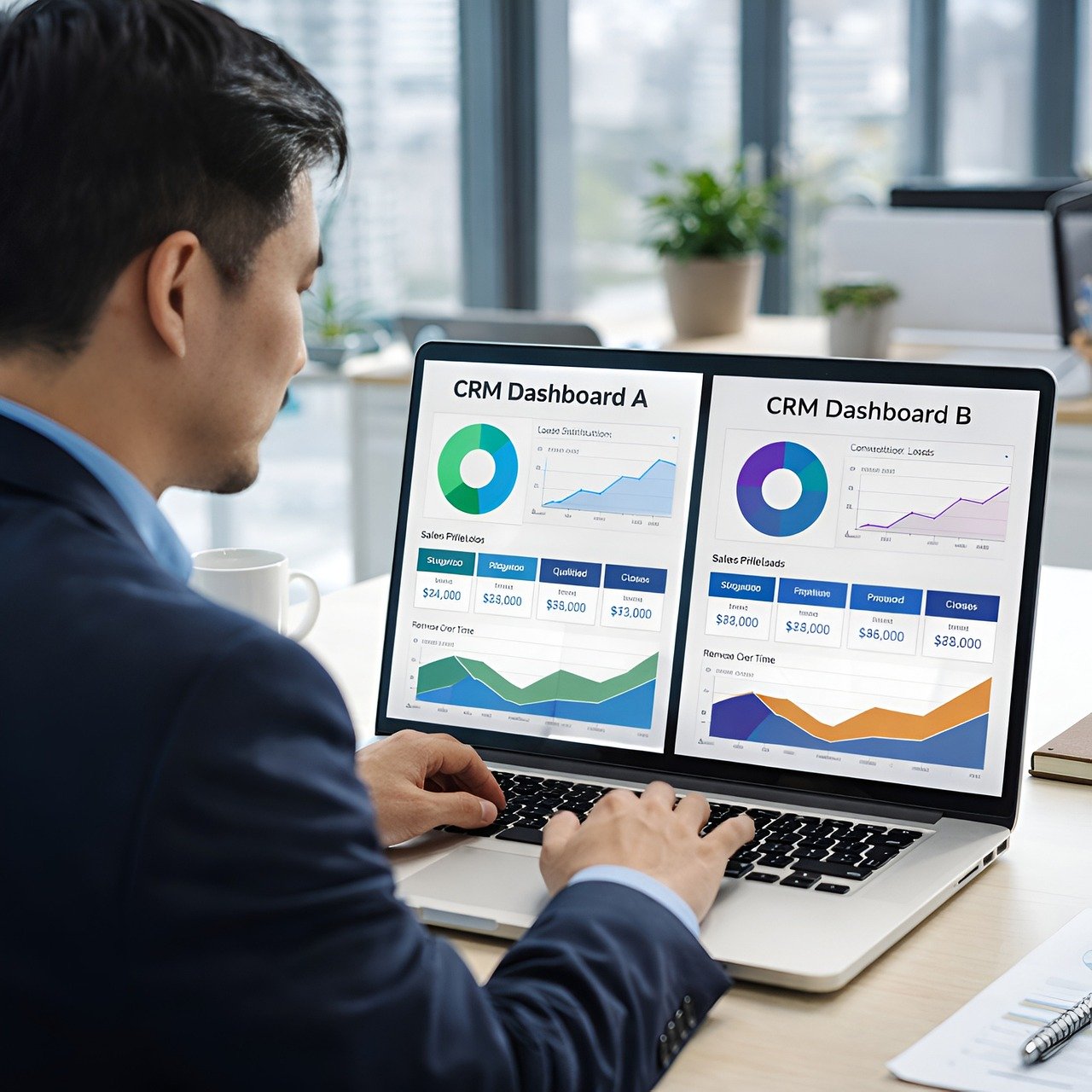

Scenario Analysis Tools and Software for Financial Professionals
In today’s fast-paced financial world, professionals must adapt to various scenarios. Scenario analysis tools empower organizations to forecast potential outcomes and assess risks effectively. By simulating different financial situations and influencing factors, these tools enhance decision-making and strategic planning. Financial analysts utilize these platforms to visualize results and communicate insights to stakeholders efficiently. Various software options are tailored to meet specific needs while considering budget constraints. Additionally, these tools help ensure compliance with financial regulations. As organizations navigate uncertain climates, scenario analysis serves as a roadmap to guide them through potential challenges. Ultimately, this analysis contributes to a comprehensive understanding of financial stability and growth opportunities. Metrics guiding performance indicators become crucial in evaluating success. It’s essential to choose the right software that allows seamless integration with existing tools and frameworks within finance. Additionally, flexibility and user-friendliness are essential for enabling broader access across teams. Organizations should invest time in researching software solutions available in the market to find the best fit for their requirements, ensuring they can prepare for whatever lies ahead.
When selecting scenario analysis software, financial professionals should consider several key features. Firstly, comprehensiveness is crucial in ensuring various scenarios can be modeled effectively. The chosen tool should allow users to explore different assumptions and parameters. Additionally, advanced forecasting capabilities propel the analysis into a new dimension, offering deeper insights into potential outcomes. Collaboration tools play an essential role as well. These enable team members to work together on scenarios, sharing findings and adjusting models in real time. Furthermore, integration with existing financial systems ensures a seamless workflow and reduces the need for duplicate data entries. Visualization capabilities enhance the analysis process as graphically represented data aids in understanding results quickly. A user-friendly interface is critical, as it must cater to varying skill levels within a financial organization. Moreover, robust customer support is essential for dealing promptly with any challenges users may encounter. Regular updates and improvements from the software vendor can also ensure it remains a valuable tool over time. Having access to tutorials and other educational material can vastly improve users’ capability to utilize the software effectively.
Popular Scenario Analysis Software
Several popular scenario analysis software tools are widely recognized among financial professionals. Firstly, Microsoft Excel remains a staple, offering versatile functions that can create customized models. Excel allows for detailed calculations and can be easily modified to meet specific scenario requirements. Another notable option is Tableau, which provides powerful visualization capabilities. Tableau’s ability to represent complex data in an easily digestible format makes it an excellent choice for scenario analysis. Moreover, IBM Planning Analytics offers advanced planning and forecasting capabilities, ideal for organizations seeking in-depth analysis. Its integration with other enterprise systems streamlines data handling efficiently. Additionally, Adaptive Insights offers unique features for financial modeling and forecasting within a cloud-based platform that facilitates real-time collaboration. RiskTurn specializes in risk analysis and modeling, providing tools specifically designed to assess potential financial risks and uncertainties. Lastly, Stata is another widely used software that excels at managing large datasets, which can be beneficial when analyzing multiple scenarios simultaneously. Each of these options presents unique advantages, and organizations should carefully evaluate to find the best fit.
Financial professionals often benefit from incorporating quantitative techniques alongside scenario analysis. Techniques such as Monte Carlo simulations can help model a variety of outcomes based on different input variables. This statistical technique generates a range of possible results, providing valuable insights into potential risks and their impact on financial performance. By exploring uncertainties, organizations can make more informed decisions and develop robust contingency plans. Furthermore, sensitivity analysis assists in identifying key variables significantly affecting outcomes and performance metrics. Understanding these sensitivities allows analysts to prioritize resource allocation and better navigate challenging market conditions. Incorporating factors like economic indicators, competitor performance, and industry trends into scenario analysis enhances its effectiveness as well. Furthermore, scenario analysis identifies robust strategies to maintain financial viability during adverse conditions. Training and development programs on these quantitative techniques can align teams while enhancing skill sets. Integrating these approaches cultivates a culture of proactive risk management throughout the organization. Consequently, scenario analysis becomes a vital component of a comprehensive financial strategy that can lead to long-term sustainability.
Best Practices for Implementing Scenario Analysis
To ensure the effective implementation of scenario analysis, financial professionals should follow best practices and methodologies. First and foremost, establishing clear objectives is crucial in directing the analysis process. Objectives outline the specific goals that the analysis aims to achieve, guiding teams toward focused results. Regularly engaging with stakeholders throughout the process is essential to ensure alignment on priorities and shared understanding. Comprehensive data collection forms the backbone of accurate scenario analysis. Investing in the right data sources and maintaining data integrity contributes to trustworthy outcomes. One must also remain adaptable when modeling various scenarios, allowing for modifications based on feedback and changing market conditions. Additionally, documenting methods and assumptions used throughout the analysis process paves the way for transparency and clarity. Regular reviews and updates to models can help organizations stay current with market dynamics and changing business conditions. Training team members in scenario analysis methods and tools not only empowers them but also builds confidence in the results generated. These practices collectively ensure that financial professionals utilize scenario analysis effectively, leading to operational efficiency in decision-making.
In conclusion, scenario analysis tools and software are invaluable resources for financial professionals. By enabling organizations to prepare for diverse market conditions, these tools enhance risk management and decision-making processes. The ability to model various outcomes and visualize data provides finance teams with the insights needed to navigate complexities effectively. Selecting the right software that aligns with specific financial needs is imperative for maximizing the benefits of scenario analysis. Moreover, when paired with quantitative techniques, the insights gained are further enriched, facilitating a more comprehensive understanding of potential impacts. Implementing best practices in scenario analysis fosters a culture of proactive financial management within organizations. Training programs enable teams to harness the full potential of these tools, promoting continuous learning and adaptation in the ever-changing financial landscape. Ultimately, scenario analysis serves as a lens through which financial professionals can evaluate risk, identify opportunities, and strategically position their firms for success. By taking advantage of these frameworks and methodologies, organizations can position themselves to thrive amid uncertainties and unforeseen challenges in the financial markets, ensuring sustainable growth and development.
Future Trends in Scenario Analysis
As technology advances, scenario analysis will evolve, integrating artificial intelligence and machine learning capabilities. These technologies can help automate the data processing and modeling aspects of scenario analysis, improving efficiency and accuracy. Enhanced predictive analytics will allow financial professionals to anticipate market shifts better and adjust their strategies accordingly. Furthermore, the rise of big data will enable teams to analyze more variables than ever before. This increased granularity in analysis enhances the quality and depth of insights available to decision-makers. As organizations embrace digital transformation, scenario analysis tools will likely incorporate collaborative features that promote team engagement. Virtual and augmented reality may also play a role, visualizing data in immersive formats that enhance understanding. Security and privacy concerns will drive innovations in managing sensitive financial data throughout analysis processes. Additionally, organizations will need to focus on creating frameworks for sharing insights while protecting proprietary information. Preparing for the future involves staying aware of emerging trends and prioritizing the continuous adaptation of scenario analysis practices. These trends will pave the way for more dynamic decision-making processes, enabling businesses to thrive in increasingly complex financial environments.
Overall, the significance of scenario analysis in financial reporting cannot be overstated. As businesses frequently encounter unpredictable economic conditions, the need for effective scenario analysis tools becomes critical. By leveraging the insights derived from scenario analyses, organizations can make informed strategic decisions while ensuring alignment with long-term goals. With a solid foundation in scenario analysis methodologies, financial professionals can anticipate varying outcomes and contribute meaningfully to their organizations. Through regular practice and continuous learning, finance teams can deepen their understanding of different scenarios and their implications. The collaborative environment must emphasize knowledge sharing to develop a comprehensive approach to scenario analysis. Investing in high-quality scenario analysis software facilitates a smoother adoption process and enhances user experience. Moreover, organizations should prioritize ongoing support and training for teams to fully leverage these tools. As the financial landscape continues to evolve, a proactive approach involving scenario analysis will help organizations remain competitive. By fostering a culture that encourages scenario planning and risk assessment, businesses can navigate uncertainties with confidence and ensure sustainable success moving forward.