
Regulatory Standards for Cross-Border Financial Data Transfers
In today’s interconnected financial world, regulatory standards for cross-border data transfers are paramount to ensuring data protection and compliance. Financial entities must navigate a complex landscape of regulations, which vary significantly across jurisdictions. Key regulations include the European Union’s General Data Protection Regulation (GDPR), which sets strict guidelines regarding personal data processing. The implications of these regulations are particularly profound for international financial transactions, where data frequently crosses borders. To comply, financial institutions must implement robust data governance frameworks that encompass data quality, integrity, and security standards. Organizations should conduct risk assessments to identify potential vulnerabilities in their data management processes. In addition, they should develop comprehensive privacy policies that outline data usage, sharing, and security protocols. Training employees on these policies is crucial, as human error often leads to data breaches. Engaging with legal counsel knowledgeable in international law is advisable to interpret varying regulations accurately. Utilizing technology, such as encryption, can help maintain data confidentiality. Ultimately, navigating these regulatory waters requires continuous learning, adaptation, and a commitment to upholding the highest standards of data protection. This effort safeguards not just the organization but also its customers.
To further understand the complexities of regulatory compliance, it’s essential to consider the role of international agreements and frameworks. Agreements like the OECD Privacy Framework and APEC Privacy Principles shape the global landscape for data protection in financial services. By aligning policies with these frameworks, organizations can facilitate smoother data transfers while ensuring regulatory adherence. Compliance isn’t just about following rules; it enhances a company’s reputation and build trust with clients. A well-structured data protection framework enables firms to comply with multiple regulations harmoniously. Still, organizations must be cautious about inadequate implementation of these frameworks. For instance, a misalignment between domestic regulations and international standards could lead to penalties. Therefore, it’s advisable for organizations to engage in continuous review and assessment of their compliance programs. Customizable compliance solutions can also provide scalability as businesses grow internationally. Employing data mapping techniques helps visualize data flow, making the compliance process clearer and manageable. With the right tools, organizations can conduct internal audits that ensure ongoing adherence to multiple regulatory standards, thus mitigating risks associated with data handling in cross-border financial transactions. This proactive approach yields long-term benefits.
The Impact of GDPR on International Transfers
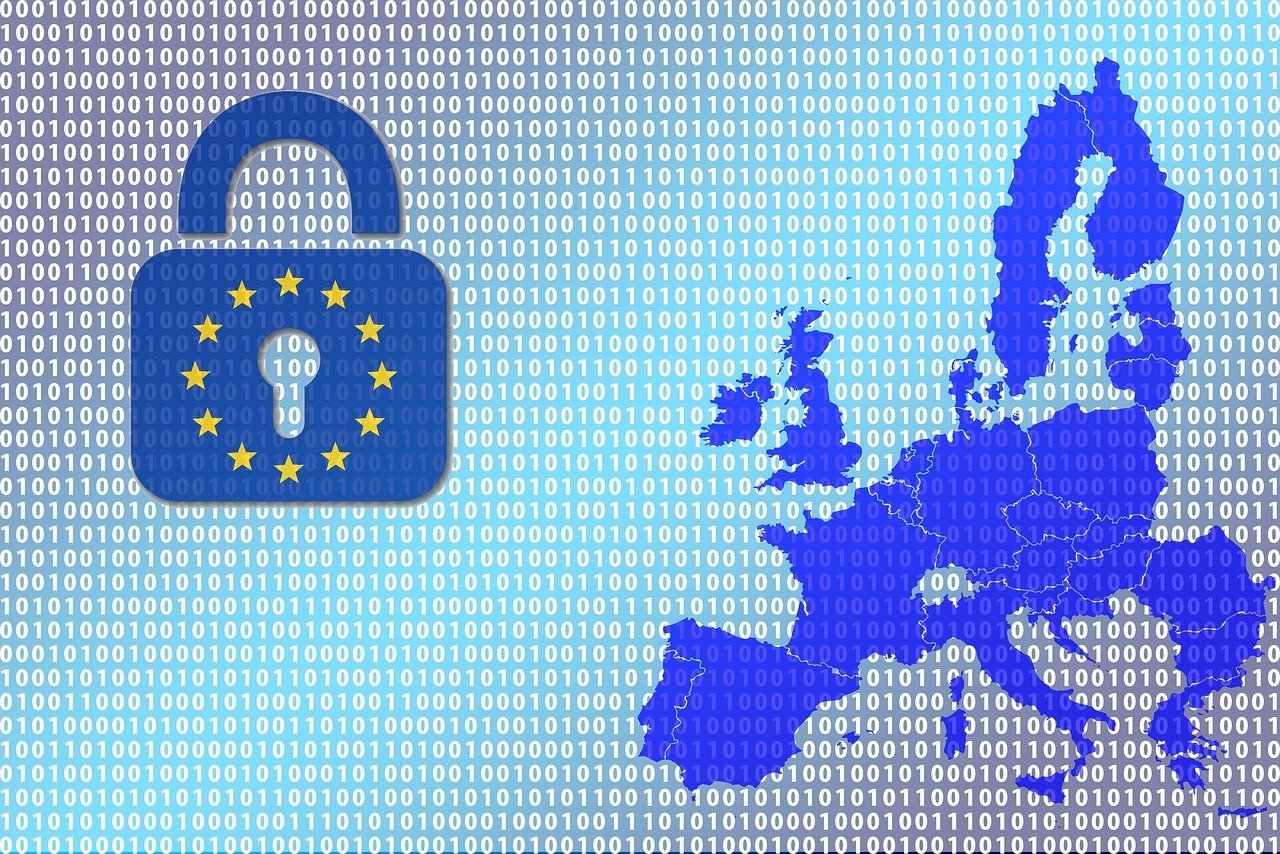
The European Union’s GDPR plays a significant role in shaping policies for transnational financial data transfers. Under GDPR, personal data can only be transferred outside the EU if the receiving country ensures an adequate level of protection. This requirement has prompted many organizations to rethink their data handling processes. Essential aspects of GDPR compliance include establishing clear conditions for data sharing agreements and evaluating the risk of sending or receiving data internationally. Moreover, organizations must implement data protection impact assessments (DPIAs) to identify and mitigate risks associated with data transfers. Non-compliance with GDPR can lead to heavy fines, reinforcing the necessity of adhering to these regulations. Financial institutions may also consider choosing data processors from countries recognized under the Privacy Shield framework, which may simplify compliance efforts. Encryption and pseudonymization techniques can further safeguard data being transferred across borders. Furthermore, organizations are advised to maintain detailed records of data processing activities to enhance transparency. Legal precedence from GDPR cases can guide companies on interpreting requirements effectively. In summary, compliance with GDPR demands diligence and proactive measures to ensure financial data remains secure while fostering international cooperation and growth.
Understanding the U.S. approach to data transfers provides a contrasting perspective on regulatory compliance in the financial sector. Unlike the EU’s strict regulations, the U.S. adopts a more sectoral approach, layering laws like the Gramm-Leach-Bliley Act and the California Consumer Privacy Act (CCPA). These laws emphasize the transparency of financial data usage but do not impose blanket requirements for cross-border transfers, leading to varied interpretations and compliance challenges. Organizations must be aware of individual state laws like CCPA that may interact with international regulations, complicating compliance efforts. Financial firms active in both regions particularly face challenges when balancing these differing standards. Conducting compliance training tailored to regional regulations can help mitigate these challenges. Keeping up with regulatory changes is vital for compliance officers and risk managers. Automated compliance tools can aid organizations in navigating these complexities efficiently. Furthermore, understanding customers’ rights under these laws fosters trust and strengthens client relationships. Balancing compliance and operational efficiency is crucial for long-term success. Collaboration with legal experts specializing in privacy laws and data security can guide organizations in crafting compliance strategies that work both domestically and internationally without hindering business operations.
Data Minimization as a Compliance Strategy
Among various best practices for ensuring compliance with financial data regulations stands the principle of data minimization. This principle suggests that organizations should only collect and store data necessary for specific financial actions. The rationale behind data minimization aligns with the regulatory frameworks aiming to protect personal information. Limiting the amount of data collected reduces the impact of potential breaches and eases compliance burdens. Moreover, implementing retention policies that specify the duration for which data is stored aligns with compliance standards. These policies can minimize liability risks associated with data inaccuracies and breaches while facilitating an easier audit process. Employees should be trained on the importance of data minimization practices, promoting a culture of responsibility regarding personal data handling. Additionally, investing in technology that enables automatic data deletion after certain periods enhances compliance efforts. Regular audits of data holdings can provide insights into areas requiring improvement or areas where data collection can be scaled back. By adopting data minimization strategies, financial institutions not only comply with regulatory requirements but also foster a culture of integrity and trust with their stakeholders, making them more competitive in the global marketplace.
The Role of Technology in Compliance
Technology plays an increasingly vital role in enhancing compliance with regulatory standards for cross-border financial data transfers. Advanced technologies provide solutions that help organizations manage and secure data effectively. For instance, data encryption ensures that information transferred over international borders remains protected from potential breaches. Additionally, cloud solutions allow firms to store their data in secure environments while maintaining compliance with international standards. Data analytics tools can provide valuable insights into compliance status by reviewing vast amounts of data quickly. Moreover, leveraging artificial intelligence enables organizations to automate compliance monitoring and reporting. Predictive analytics identifies areas of potential non-compliance before they become a risk. Implementing robust data governance frameworks supported by technology not only enhances compliance but also simplifies reporting processes. Firms can utilize workflow automation to streamline documentation and internal communication regarding compliance status. Educating employees about these technologies encourages accountability and fosters a culture of compliance within the organization. As technology continues to evolve, leveraging it effectively ensures organizations remain compliant with shifting regulatory landscapes while enhancing operational efficiency. Integrating technology into data security frameworks will drive long-term economic growth in the financial sector.
Finally, fostering a culture of compliance is essential among all levels of an organization when dealing with cross-border financial data transfers. Leadership commitment creates a proactive approach to data security, paving the way for effective compliance strategies. Employees at all levels should understand and engage with compliance principles, which promotes responsible data management practices. Regular training and communication about compliance obligations must be routine rather than sporadic events. Cultivating awareness and responsibility encourages employees to uphold data security regulations diligently. Ensuring that compliance policies reflect organizational values will enhance employee buy-in, especially in multinational firms where practices might differ across regions. To maintain this culture, organizations might consider appointing a dedicated compliance officer, or forming committees responsible for compliance oversight. This ensures sufficient attention to compliance issues and aids in promptly addressing arising challenges. Furthermore, fostering open communication about compliance issues can help demystify the regulations. Financial institutions that invest in cultivating a compliance culture are better positioned to adapt to new regulations and withstand the scrutiny that comes with cross-border financial data operations. A robust compliance culture ultimately supports not just regulatory adherence but also enhances organizational resilience and customer trust.
In conclusion, navigating regulatory compliance in cross-border financial data transfers is increasingly complex but essential for security and trust. As regulations like GDPR establish stringent guidelines, organizations must adapt their data governance strategies accordingly. Understanding the distinct approaches by regions, such as those of the EU and the U.S., informs how best to respond to diverse regulatory environments. Incorporating best practices such as data minimization and leveraging technology can significantly enhance compliance efforts. Moreover, fostering a culture that values compliance engages employees and promotes responsible management of data across all relevant channels. Organizations that succeed in navigating this landscape build trust with clients, ensuring long-term growth opportunities. The dynamic nature of regulatory frameworks sends an important message; continuous adaptation and vigilance are critical. Technological advancements will play a pivotal role in equipping organizations with the tools necessary to stay compliant. Consequently, investing in robust compliance strategies will facilitate not only adherence to existing regulations but also prepare for future challenges. Emphasizing a proactive approach to data security ultimately minimizes risks while fostering an environment of trust and accountability among stakeholders and customers alike.