
The Role of Consumer Credit in Household Debt Growth
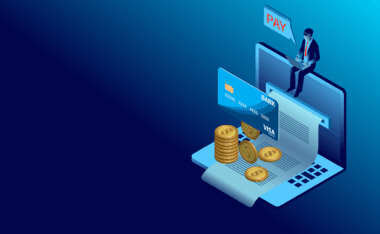
Household debt represents a significant aspect of the economic landscape, especially as it affects consumer spending and overall economic health. Consumer credit plays a pivotal role in driving this debt, allowing families to manage large purchases while spreading the cost over time. As creditors continue to adapt their offers to meet consumer demand, many borrowers are faced with easier access to larger amounts of credit, thereby increasing their outstanding balance. However, with this access comes the risk of over-leveraging, where households may find themselves unable to keep up with repayments. Interest rates, which fluctuate based on central bank policies, also directly impact the affordability of consumer credit. When rates rise, so do debt repayments, causing potential strain on household budgets. Studies have shown that significant consumer credit contributes to economic growth by facilitating household spending, driving demand for goods and services, and subsequently boosting employment rates. However, the sustainability of this growth is contingent upon wage growth and economic stability to maintain repayment levels, highlighting the need for a balanced approach in household debt management.”},{
In recent years, consumer behavior has shifted, demonstrating a growing reliance on credit to finance daily living expenses. This trend has seen households increasingly depending on credit cards, personal loans, and other forms of consumer finance. Such dependence can be detrimental, as it may lead households into a cycle of borrowing that becomes difficult to escape. Credit cards, often viewed as easy solutions to immediate financial needs, can accumulate high-interest debt if not managed prudently. Furthermore, the marketing strategies of financial institutions often target consumers amid this dependency, offering attractive incentives that entice overspending. Consequently, the average household debt continues to rise, which raises questions about consumer financial literacy. As this debt mounts, potential economic downturns could worsen the situation. For instance, job losses or unexpected expenses can lead to defaults. Financial education becomes crucial to ensure consumers understand the implications of debt. It is imperative to instill responsible borrowing habits to prevent households from becoming overextended in their financial commitments. Understanding interest rates, repayment terms, and long-term implications are vital in facilitating sound financial decisions.”},{
The Impact of Policies on Consumer Credit
Policy changes at both the federal and state levels significantly influence consumer credit availability. Regulations set forth by governing bodies can either promote or hinder lending, consequently affecting household debt levels. For example, during periods of economic downturn, governments may encourage borrowing by lowering interest rates, thereby stimulating spending to jumpstart the economy. Conversely, tightening regulations can restrict access to credit, which may alleviate some pressure on family budgets but also dampen economic growth. Historically, financial crises have prompted regulatory responses intended to protect consumers, such as stricter lending requirements or the implementation of caps on interest rates. These measures aim to balance encouraging responsible lending while safeguarding consumers from predatory practices prevalent during times of financial instability. Furthermore, financial institutions often respond to these regulations by adjusting their credit products to comply with new standards. This responsive mechanism highlights the interconnected nature of policy, consumer behavior, and overall economic health. As policymakers continue to navigate the complexities of household debt and consumer spending, balancing growth with consumer protection remains a challenging yet essential objective.”},{
Economic indicators provide essential insights into household debt trends and consumer credit behavior. Metrics such as the debt-to-income ratio serve as vital tools for assessing the sustainability of household debt levels. This ratio measures a household’s total debt against its income, offering a clear picture of financial health. A rising debt-to-income ratio may indicate increased borrowing and the potential overextension of households. Additionally, monitoring changes in credit default rates can provide further insights into consumer credit risks. An increase in these rates might suggest that consumers are struggling to manage their repayments effectively, signaling possible economic strain. Other indicators, such as changes in lending standards and the proliferation of favorable credit offers, can influence consumer behavior significantly. As households react to economic signals, they may adjust their borrowing habits, impacting overall household debt levels. Regular analysis of these indicators can help policymakers and consumers alike make informed decisions regarding credit and debt management. Understanding these dynamics is crucial for fostering responsible borrowing practices that will support long-term economic stability.”},{
Challenges of Debt Management
Households face numerous challenges when managing consumer debt, mainly arising from lack of financial education and economic pressure. The complexities of different credit forms can overwhelm consumers, leading to ill-informed decisions regarding borrowing and repayment strategies. Financial literacy is often not adequately addressed in educational systems, resulting in many individuals entering adulthood without essential skills to manage finances effectively. As noted earlier, high-interest debts, especially from credit cards, can erode financial stability if balances remain unpaid. Furthermore, unforeseen expenses, such as medical emergencies or home repairs, compel families to rely on credit to cope. As a result, they may unintentionally increase their debt load beyond manageable levels. Additionally, the pressure to maintain a certain lifestyle can lead to unwarranted borrowing, contributing to financial strain. This is particularly evident among younger consumers, who may prioritize immediate gratification over careful financial planning. Addressing these challenges requires a multi-faceted approach, including better financial education and access to credit counseling services. Promoting a culture of prudent financial management is essential to mitigate the burden of consumer debt.”},{
As consumer debt continues to climb, addressing the implications for financial stability becomes increasingly critical. High levels of household debt can affect not only individual borrowers but also the broader economy. When households devote a significant portion of their income to debt repayment, it diminishes disposable income, which can lead to reduced spending on goods and services. This decrease in consumer spending can slow economic growth, impacting businesses and employment levels. Additionally, rising debt levels can create a sense of financial insecurity among consumers, which further dampens spending. In extreme cases, widespread defaults may trigger economic downturns, as seen in financial crises over the past century. Policymakers must remain proactive in monitoring household debt levels and consider implementing measures to ensure long-term stability. Encouraging responsible lending practices and promoting financial literacy among consumers can help mitigate risks. Moreover, government initiatives that provide support and resources for debt management could empower households to navigate financial challenges. Such efforts aim to establish a balanced approach to consumer credit that inspires both economic growth and financial security.”},{
Conclusion and Future Outlook
Understanding the role of consumer credit in household debt growth is crucial for policymakers, consumers, and financial institutions. The balance between facilitating access to credit while ensuring sustainable borrowing practices poses ongoing challenges. As credit markets continue evolving, advancements in technology and changing consumer attitudes will influence how credit is accessed and managed. Digital financial services and innovative lending platforms are reshaping the credit landscape, driving competition and potentially lowering costs for consumers. Nevertheless, as these shifts occur, the risks of predatory lending and insufficient financial literacy must be addressed. Embracing transparency and clear communication about credit options will empower households to make informed decisions about borrowing. Additionally, fostering a collaborative environment among stakeholders— including consumers, lenders, and policymakers— can enhance financial education efforts. The future of consumer credit and household debt management hinges on a collective commitment to ensuring that borrowing remains a tool for economic empowerment rather than a burden. As we strive to strike this vital balance, ongoing dialogue and collaboration will be essential in shaping a more financially literate society.”}]} 👀 robap 🪄 🅱️ 🏃♂️ 💡 🥇 🍦 🌐 🖥️ ⚙️ 🗺️ 🌍 🏦 🏛️ 🙅♂️ 🐉 👑 🍀 🏤 👂 🍀 𝑙🅾⏳🅱️ 🖥️ 🔧 🦄 🌷 🏀 🎭 🥁 🏴☠️ | 🧙♂️ 🦜 🦙 🧚♂️ 🦄 🐉 🐄 🐻🥞 🔊 🦙 🧙♂️ 🧯 🧚♀️ 🏰 ▶️ 🦄 🏞️ 🎵 🌌 🌈 🧙♂️ 🍭 🏆 👑 🎾 🦁 🐠🍸 🐢 🎡 🥁 🧚♂️ 🥞 🌧️ 🦁 🔑 🦙 🔒 🏰 🎭 🏦 🦙 🦄 🐍 🏦 🔊 🌐 🏦 💡 🏦 🍀 🏞️ 🦁 🗡️ 🐠 🐠 🐠 🦄 🦄 🦙 🦙 🦙 🦙 🦙 🦙 🦙 🦙 🦙 🦙 🦙 🦙 🦙 🦙 🦙 🦙 🦙 🦙 🦙 🦙 🦙🦙 🦙 🦙 🦙 🦙 🦙 🦙 🦙 🦙 🦙 🦙🦙 🦙 🦙 🦙 🦙 🦙 🦙 🦙 🦙 🦙 🦙 🦙 🦙 🦙 🦙 🦙 🦙 🦙 🦙 🦙 🦙 🦙 🦙 🦙 🦙 🦙 🍭 🎭 🏰 🦙 🦙 🦙 🦙🦙 🦙 🦙 🦙 🦙 🦙 🦙 🦙 🦙 🦙 🦙 🦙 🦙 🦙 🦙 🦙 🦙 🦙 🦙 🦙 🦙 🦙 🦙 🦙🦙 🦙 🦙 🦙 🦙 🦙 🦙 🦙 🦙 🦙 🦙 🦙 🦙 🦙 🦙 🦙 🦙 🦙 🦙 🦙 🦙 🦙 🦙 🦙 🦙 🦙 🦙 🦙 🦙 🦙 🦙 🦙🦙 🦙 🦙 🦙 🦙 🦙 🦙 🦙 🦙 🦙 🦙 🦙 🦙 🦙 🦙 🦙 🦙 🦙 🦙 🦙 🦙 🦙 🦙 🦙 🦙 🦙 🦙 🦙 🦙 🦙 🦙 🕵️ 🧙♂️ 🦙 🦙 🦙 🦙 🦙 🦙 🦙 🦙 🦙 🦙 🦙 🦙 🦙 🦙 🦙 🦙 🦙 🦙 🦙 🦙 🦙 🦙 🦙 🦙 🦙 🦙 🦙 🍭 🦙 🦙 🦙 🦙 🦙 🦙 🦙 🦙 🦙 🦙 🦙 🦙 🦙 🦙 🦙 🦙 🦙 🦙 🦙 🦙 🦙 🦙 🦙 🦙 🦙 🦙 🦙 🦙 🦙 🦙 🦙 🦙 🦙 🦙 🦙 🦙 🦙 🦙 🦙 🦙 🦙 🦙 🦙 🦙 🦙 🦙 🦙 🦙 🦙 🦙 🦙 🦙 🦙 🦙 🦙 🦙 🦙 🦙 🦙 🦙 🦙 🦙 🦙 🦙 🦙 🦙 🦙 🦙 🦙 🦙 🦙 🦙 🦙 🦙 🦙 🦙 🦙 在 你 🦙 🦙 🦙 🦙 🦙 🦙 🦙 🦙 🦙 🦙 🦙 🦙 🦙 🦙 🦙 🦙 🦙 🦙 🦙 🦙 🦙 🦙 🦙 🦙 🦙 🦙 🦙 🦙 🦙 🦙 🦙 🦙 🦙 🦙 🦙 🦙 🦙 🦙 🦙 🦙 🦙 🦙 🦙 🦙 🦙 🦙 🦙 🦙 🦙 🦙 🦙 🦙 🦙 🦙 🦙 🦙 🦙 🦙 🦙 🦙 🦙 🦙 🦙 🦙 🦙 🦙 🦙 🦙 🦙 🦙 🦙 🦙 🦙 🦙 🦙 🦙 🦙 🦙 🦙 🦙 🦙 🦙 🦙 🦙 🦙 🦙 🍭 🦙 🦙 🦙 🦙 🦙 🦙 🦙 🦙 🦙 🦙 🦙 🦙 🦙 🦙 🦙 🦙 🦙 🦙 🦙 🦙 🦙 🦙 🦙 🦙 🦙 🦙 🦙 🦙 🦙 🦙 🦙 🦙 🦙 🦙 🦙 🦙 🦙 🦙 🦙 🦙 🦙 🦙 🦙 🦙 🦙 🦙 🦙 🦙 🦙 🦙 🦙 🦙 🦙 🦙 🦙 🦙 🦙 🦙 🦙 🦙 🦙 🦙 🦙 🦙 🦙 🦙 🦙 🦙 🦙 🦙 🦙 🦙 🦙 🦙 🦙 🦙 🦙 🦙 🦙 🦙 🦙 🦙 🦙 🦙 🦙 🦙 🦙 🦙 🦙 🦙 🦙 🦙 🦙 🦙 🦙 🦙 🦙 🦙 🦙 🦙 🦙 🦙 🦙 🦙 🦙 🦙 🦙 🦙 🦙 🦙 🦙 🦙 🦙 🦙 🦙 🦙 🦙 🦙 🦙 🦙 🦙 🦙 🦙 🦙 🦙 🦙 🦙 🦙 🦙 🦙 🦙 🦙 🦙 🦙 🦙 🦙 🦙 🦙 🦙 🦙 🦙 🦙 🦙 🦙 🦙 🦙 🦙 🦙 DOMContentLoaded 🦙 🦙 🦙 🦙 🦙 🦙 🦙 🦙 🦙 🦙 🦙 🦙 🦙 🦙 🦙 🦙 🦙 🦙 🦙 🦙 🦙 🦙 🦙 🦙 🦙 🦙 🦙 🦙 🦙 🦙 🦙 🦙 🦙 🦙 🦙 🦙 🦙 🦙 🦙 🦙 🦙 🦙 🦙 🦙 🦙