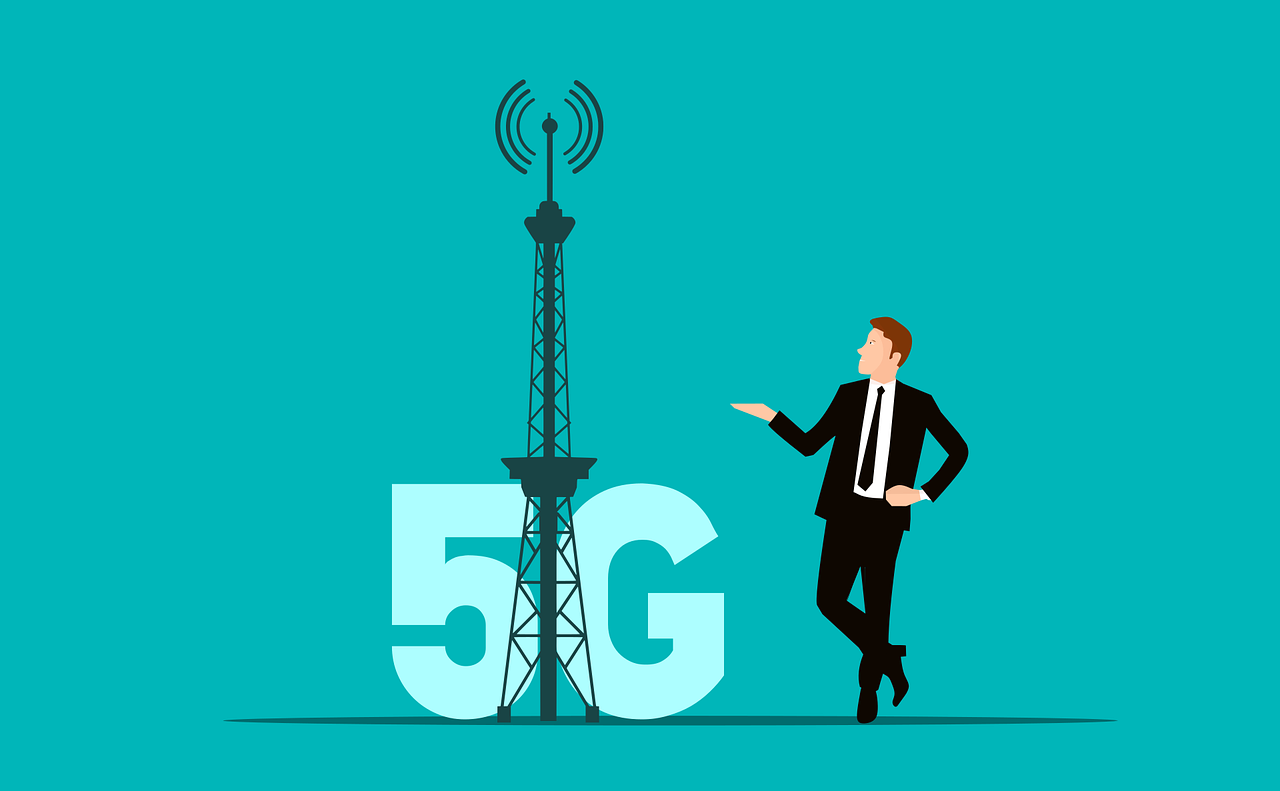

How 5G Technology Will Change the Way We Work
As we step into an era dominated by technological advancements, 5G technology emerges as a critical player in shaping the future of work. This fifth generation of wireless technology offers higher speeds and lower latency, fundamentally transforming how businesses operate. Enhanced connectivity allows teams to collaborate seamlessly in real-time, regardless of geographical barriers. Remote workers will experience more stable connections when accessing cloud-based applications, contributing to increased productivity and satisfaction. Furthermore, with 5G enabling the Internet of Things (IoT), workplaces can leverage smart technology for automated processes and better resource management. Looking forward, one can expect a dramatic shift in workplace culture and dynamics fueled by these improvements. Moreover, organizations that adopt 5G will likely see a competitive edge, as flexibility becomes central to workforce strategies. Adapting to 5G means harnessing the power of data analytics to inform decision-making swiftly. Companies embracing this change will also enhance their digital infrastructure, providing robust platforms that support innovation and creativity among employees. Overall, 5G is not merely a technology upgrade; it’s a cultural revolution reshaping our work environment fundamentally.
The Impact of Remote Work
One of the most immediate effects of 5G technology will be on remote work practices. With the integration of 5G, remote workers can enjoy unparalleled speeds and performance, which will make teleconferences clearer and more reliable. As a result, real-time collaboration will become a seamless part of daily activities, fostering innovation among remote teams. Faster download speeds will facilitate the sharing of large files, enabling quicker project updates and revisions. Consequently, project timelines will become more efficient, and team members can remain productive regardless of their location. Additionally, the enhancement of virtual and augmented reality technologies will empower companies to conduct remote training sessions in immersive environments. These advancements create opportunities for employees to learn and adapt without necessitating travel or physical presence. Moreover, 5G allows for more robust cybersecurity measures, alleviating concerns regarding data protection in remote settings. Employees will feel secure when engaging in digital transactions or accessing sensitive information. Overall, 5G technology represents a transformative force that will redefine remote work, making it a more effective and essential element of business success.
The rise of 5G technology is significantly shaping how businesses employ flexible working structures. With its enhanced connectivity, organizations can implement hybrid work models, allowing employees to choose between physical office spaces and home environments. This flexibility will increase employee satisfaction and retention rates as workers appreciate the ability to work in comfortable settings. Moreover, 5G’s reliability ensures that no matter where employees are located, they can access resources and communicate effectively with their teams. Companies adopting flexible structures can also reduce overhead costs, as they may require less physical space or resources. Enhanced productivity will stem from improved collaboration and reduced commute times, which can lead to better work-life balance. Scalable solutions like cloud computing become more manageable under 5G, as teams can access and work on necessary applications without delays. Furthermore, 5G can improve recruitment processes as businesses can tap into a global talent pool rather than being constrained by geographic locations. Innovative companies ready to embrace 5G technology and flexible work structures will surely thrive in this competitive landscape consistently.
Enhanced Training and Development
5G technology can revolutionize employee training and development programs within organizations. High-speed internet facilitates access to rich learning resources like virtual reality (VR) and augmented reality (AR), which create immersive training experiences. This technology allows employees to engage in realistic simulations that can enhance their skills efficiently. Rather than traditional methods, modern learning strategies will initiate more interactive sessions where knowledge retains profoundly. Collaborative tools powered by 5G will enable trainers and participants to interact in real-time, irrespective of locations. For instance, technical and company-specific training will no longer be hindered by physical boundaries. Employees can participate in training modules from anywhere, fostering a culture of continuous learning and adaptation. Furthermore, 5G enables organizations to analyze training outcomes better using data analytics. Companies can identify skill gaps and tailor development programs to address these needs effectively. Consequently, employees will feel more prepared for evolving job demands and challenges. Investing in training and education through 5G-driven solutions will elevate workforce capabilities, ensuring that employees remain competitive in the modern workforce.
Another area impacted by 5G technology is customer engagement and relationship management. Enhanced connectivity allows businesses to communicate with customers more effectively through various digital channels. Businesses can utilize chatbots and AI-driven platforms to provide immediate responses and cater to client inquiries. Consequently, customer service standards will improve, creating an overall better experience for clients. Furthermore, businesses can collect extensive data on customer behavior and preferences, thereby making informed decisions tailored to market expectations. When organizations harness this data, they can position their products and services more strategically. Additionally, 5G technology supports larger networks of IoT devices, enabling companies to monitor customer interactions across multiple platforms. This capability allows businesses to adapt their strategies swiftly based on real-time feedback from customers. Moreover, seamless connections foster community engagement by facilitating virtual events and experiences, creating meaningful connections with customers. A brand’s reputation strongly relies on customer care, and with 5G technology, companies can enhance their responsiveness and customer satisfaction significantly, creating not just transactions but lasting relationships.
Improved Collaboration Tools
The surge in remote work, aided by 5G technology, underscores the importance of collaboration tools that enhance teamwork and productivity. High-speed internet connectivity provides an opportunity for organizations to explore innovative collaboration solutions that facilitate seamless communication among teams. Applications like video conferencing and project management platforms can operate with improved efficiency, improving overall workflow. Employees will experience fewer interruptions during virtual meetings which increases engagement and idea generation. Furthermore, cloud-based tools become more functional and accessible under 5G, allowing team members to work on projects simultaneously without latency issues. The overall digital workspace will have a more cohesive feel, where teams can share updates and progress in real time. Data sharing between projects also becomes instantaneous, enabling teams to make decisions rapidly based on the latest information. Moreover, organizations can invest in tools that integrate AI solutions to enhance productivity, analysis, and reporting. In this way, businesses can create an environment of continuous collaboration and innovation, retaining the competitive edge that comes from effectively utilizing 5G technology in the workplace.
5G technology will also contribute significantly to operational efficiency within organizations. Enhanced connectivity facilitates communication among various departments and teams, making information exchange quicker. For instance, managers can share essential updates and feedback instantly without delays, creating a more responsive work culture. Moreover, data sharing becomes increasingly effective; teams can access real-time data analytics to inform decisions. Businesses can streamline their workflows by reducing bottlenecks in communication and processing. Operations relying on IoT devices can leverage the fast speeds of 5G to monitor productivity and resource usage continuously. Consequently, organizations can adapt to changing market demands and customer needs promptly. Furthermore, enhanced machine-to-machine communication under 5G technology enables a more intelligent and autonomous system. Smart devices can optimize resource management and maintenance schedules as real-time data provides insights into usage patterns. Overall, improved operational efficiency will translate into cost savings and increased profitability for businesses. Organizations focused on leveraging 5G technology will maximize their potential, gaining the flexibility and agility needed to meet future business challenges effectively.
Conclusion: The Future is 5G
In conclusion, 5G technology is poised to redefine the future of work across various industries. The seamless integration of advanced connectivity will enhance collaboration, streamline operations, and improve overall employee satisfaction. As businesses embrace flexible work structures, training, and customer engagement will evolve, ensuring relevance in competitive markets. Companies equipped with 5G readiness will enjoy better access to global talent, enabling them to remain agile and adaptive. Moreover, the implementation of innovative tools powered by this technology will significantly enhance productivity and operational achievements. The urgency for businesses to adapt to these changes cannot be overstated, as those lagging behind may struggle to cope with swiftly changing market dynamics. Ultimately, organizations that recognize the transformative potential of 5G technology stand to gain a substantial advantage in their respective fields. The future of work is rooted in leveraging this technology to create a work environment that fosters innovation and growth. Businesses willing to invest in 5G will not only thrive but will shape the new era of work, aligning themselves with emerging trends and expectations effectively.