
Building Credit Through Responsible Credit Card Reporting
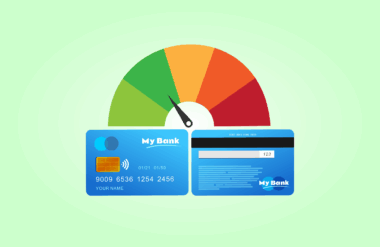
Credit cards can be powerful tools for building and maintaining a good credit score. When used responsibly, they allow you to manage your finances effectively while setting a solid foundation for your credit history. One critical aspect is how your credit card usage is reported to credit bureaus. Credit card issuers report your account activity to three main agencies, Equifax, Experian, and TransUnion, typically on a monthly basis. This reporting includes your payment history, credit utilization, and the total credit limit. Responsible use means making payments on time and keeping your balance low relative to your credit limit. High credit utilization can negatively affect your credit score, so aim to keep it below 30%. Additionally, having a mix of different credit types, including revolving and installment accounts, can help enhance your credit profile. Manage your credit card responsibly by checking your statements for unauthorized charges and disputing any errors promptly. Engage with an account by making small purchases and paying them off each month, demonstrating your reliability as a borrower. Over time, this behavior fosters a solid credit score.
Understanding the factors that influence your credit score is crucial when managing credit cards. Payment history accounts for about 35% of your score, while credit utilization makes up another 30%. The combination of these elements highlights the importance of timely payments and maintaining low balances. Establishing reminders on your phone or computer can help ensure that you never miss a due date. Another key factor is the length of your credit history, which constitutes about 15% of your score. A longer credit history is viewed positively by lenders, indicating stability and reliability. Therefore, keeping open older credit accounts, even if they are seldom used, can contribute to a better score. As you build your credit, avoid applying for too many new accounts at once, as each application can result in a hard inquiry that may temporarily lower your score. However, if managed well, each new credit line can increase your overall credit limit, thus lowering your utilization ratio. For additional resources on improving your score, consider visiting reputable sites that specialize in credit education, such as myFICO. Such platforms provide valuable tools and insights.
The Importance of Monitoring Your Credit Report
Regularly monitoring your credit report is essential for building a healthy credit score. By keeping an eye on your report, you can catch errors, view your account status, and track any changes in your credit score. All consumers are entitled to one free credit report from each of the three major bureaus each year, which can be accessed via AnnualCreditReport.com. These reports detail all your credit accounts, payment history, and hard inquiries, shedding light on how your credit card behaviors are reflected. Mistakes can happen, so if you spot any inaccuracies, report them immediately to the respective bureau, as they are legally obligated to investigate. Correcting errors can lead to a significant improvement in your score. Moreover, regularly reviewing your credit score can instill a sense of greater financial awareness. If you notice any significant declines in your score, investigate further, as this could indicate identity theft or fraudulent activity. By actively engaging in monitoring your credit report, you become proactive in safeguarding your credit information while enhancing your financial health concurrently.
Your payment behavior directly affects your credit score, especially with credit card reporting. Payments made consistently on or before the due date dramatically improve your credit profile. A single missed or late payment can seriously hurt your score. To minimize this risk, consider setting up automatic payments for at least the minimum due amount. This way, you ensure that you never miss a payment. Additionally, try to pay off your credit card balance in full each month; this practice not only aids in maintaining a low credit utilization ratio but also saves you from accruing interest charges. If you find yourself in a situation where you cannot pay the full balance, paying more than the minimum can significantly help reduce the principal over time. Another effective strategy is making multiple payments throughout the month to keep your utilization low. Consistent responsible behavior will be reflected in better credit scores over time, making it easier to secure loans and mortgages when needed. In today’s credit-driven economy, healthy credit habits play a crucial role in achieving long-term financial goals, such as homeownership or vehicle purchases.
Additional Tips for Responsible Credit Card Use
Aside from timely payments and monitoring your credit report, practicing responsible credit card use is vital. For instance, use your credit cards for essentials like groceries or gas, instead of discretionary spending, which can lead to accumulating debt. This ensures that every charge made aligns with your monthly budget. Always review your statements closely for discrepancies and unfamiliar charges. Additionally, implementing alerts from your bank regarding your spending can be a beneficial practice. Many banks offer notifications whenever your account reaches a predetermined balance, allowing you to manage your usage more effectively. Another effective tip is to only apply for credit that you genuinely need. Too many inquiries into your credit can lower your score temporarily, making lenders wary. When choosing a credit card, consider factors such as rewards, interest rates, and fees so that the card aligns with your financial goals. Remember, responsible credit use not only reflects well in your score but also fosters long-term financial stability, paving the way for opportunities that could significantly improve your quality of life and overall financial health over time.
The role of credit cards in establishing a credit history cannot be overstated. They serve as one of the primary means through which lenders assess your creditworthiness. Building a solid credit history means demonstrating your ability to manage credit responsibly, a key factor in acquiring favorable loans for future investments. This process begins with opening a credit card account, preferably one with manageable terms that align with your financial behavior. If you’re a beginner, consider starting with a secured credit card that requires a deposit. It allows you to build credit while minimizing the risk for the lender. Once approved, maintain usage at a low percentage of your credit limit while ensuring that any outstanding balances are settled in a timely manner. Building a solid relationship with your credit issuer can lead to increases in your credit limit over time. A higher limit can positively impact your credit utilization, thus benefiting your overall score. Regularly demonstrating good behavior with credit will illustrate to lenders that you are a responsible borrower, ultimately unlocking better financing options and rates in the future.
Conclusion: The Path to Strong Credit
In conclusion, building credit through responsible credit card reporting is essential for achieving financial goals. Developing good credit habits is a critical step toward financial security and access to better credit products. Engage responsibly with credit cards, focusing on timely payments and low utilization rates. Always monitoring your credit report for accuracy allows you to catch errors and understand your credit situation better. Practice vigilance in understanding your credit score and the influences that affect it. With time, patience, and dedication to responsible credit behavior, you will see a remarkable improvement in your credit score. This can open doors to higher borrowing limits, better interest rates, and more favorable terms on loans. It’s wise to begin building your score early, ensuring a robust financial future. Remember, building strong credit requires an ongoing commitment to managing your financial decisions wisely. Through regular education, proactive monitoring, and responsible usage, you can foster a healthier credit profile. Ultimately, a better credit score not only enhances your financial opportunities but also provides peace of mind as you navigate significant purchases or investments in your life.