
The Economics of Decentralized Energy Systems for Business Applications
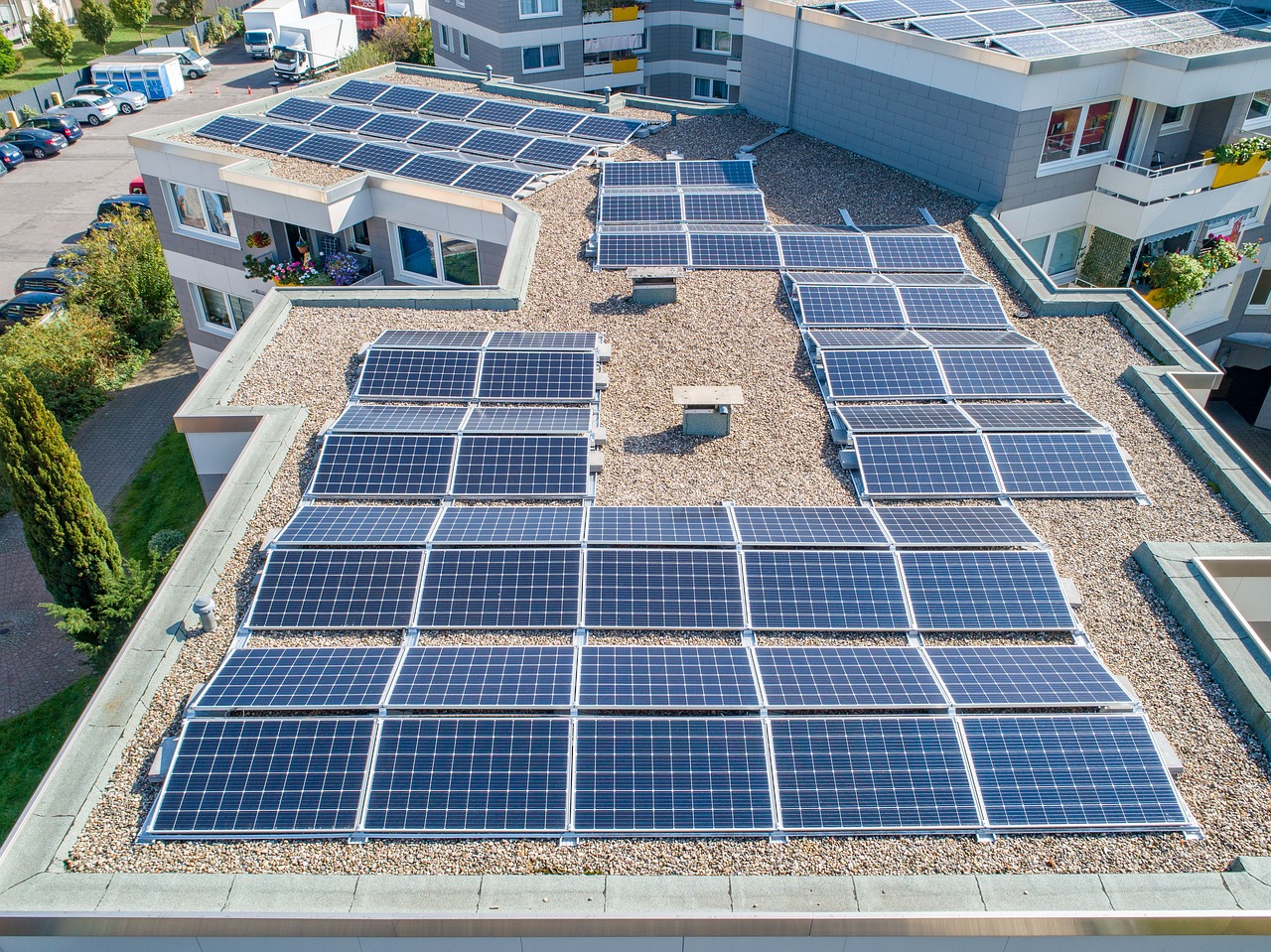
The modern landscape of energy economics is undergoing a significant transformation driven by decentralized energy systems. This shift presents new opportunities and challenges for businesses. Decentralized energy refers to the generation and distribution of energy at or near the point of use. Businesses can generate energy using technologies like solar panels, wind turbines, and battery storage solutions. This model reduces reliance on traditional centralized energy providers. Companies adopting these systems can better control their energy costs, increase efficiency, and potentially earn revenue by selling excess energy back to the grid. Furthermore, decentralization supports resilience against power outages. Businesses can maintain operations during grid disruptions, thereby safeguarding their productivity and profitability. However, challenges abound; initial investments are often substantial. Companies must evaluate the return on investment (ROI) carefully and consider local regulations affecting installation and operation. Training workforce personnel to manage decentralized systems adds an additional layer of complexity, ensuring technical efficacy. Thus, engaging with consultants who specialize in energy economics can provide critical insights. In this evolving context, businesses must navigate a landscape that is not only complex but continually changing.
Advantages of Decentralized Energy Systems
Decentralized energy systems offer numerous advantages that can significantly benefit businesses. First, they provide increased energy security. By generating energy on-site, companies diminish their dependence on external energy suppliers and are less vulnerable to market fluctuations. Second, these systems tend to be more environmentally friendly. Businesses reduce their carbon footprints by using renewable energy sources, enhancing their appeal to eco-conscious consumers and investors. Economically, decentralized systems can lower operational costs over time. The ability to generate energy leads to savings on utility bills and opens additional revenue streams through energy sales. Furthermore, decentralized systems boost innovation and adaptability. Companies can experiment with various energy technologies tailored to their specific needs. This encourages a culture of sustainability and efficiency, attracting forward-thinking talent and partners. However, realizing these benefits typically requires an upfront investment and a well-defined strategy. As businesses weigh these factors, they need to conduct a thorough feasibility study. Additionally, understanding potential tax incentives and government grants can offset some initial costs. Thus, the economic landscape shifts in a way that emphasizes both sustainability and profitability.
Challenges accompany the transition to decentralized energy systems. Chief among these is the initial capitalization required for installation. While savings may accrue over time, the initial financial barrier can be daunting for small and medium-sized enterprises (SMEs). Often, these businesses lack access to funding necessary to invest in energy technologies. Another significant challenge is navigating the regulatory environment, which varies significantly between regions. Businesses may encounter bureaucratic hurdles that can delay project initiation. Moreover, in regions with unstable electricity markets, ensuring a stable ROI becomes complex. The technological complexity of decentralized systems is also a concern. For companies to reap benefits, employees must possess adequate training. If personnel struggle with new technology, operators could face inefficiencies or even equipment failure. Furthermore, maintenance of these systems requires ongoing investment in skilled labor and parts. Companies face a dual challenge: they must educate staff and possibly engage external experts for troubleshooting and upgrades. Thus, the fundamental premise of decentralization—empowering businesses—becomes an arduous journey necessitating thoughtful planning and robust support systems.
Financial Considerations for Implementation
Implementing decentralized energy systems requires a comprehensive financial strategy. Companies must evaluate the upfront investment versus long-term savings accurately. Energy audits can help businesses determine potential energy savings and calculate ROI. Aligning energy goals with financial health is vital. Engaging with financial experts can illuminate potential funding opportunities, such as loans or grants targeting renewable energy projects. Furthermore, companies should explore power purchase agreements (PPAs), allowing them to finance projects without large upfront costs. Another financial aspect is insurance; as decentralized systems become more common, specialized policies have emerged. Companies must adequately protect their investments against natural disasters, technological failures, or cybersecurity threats. Energy software and management systems can track savings and energy metrics to ensure optimal performance consistently. Risk assessment tools can guide businesses in expanding their systems responsibly, balancing opportunity and risk. Additionally, partnerships with local governments and utility companies can enable innovative financing models. Understanding energy markets regarding pricing and incentives can further influence financial viability. Thus, these considerations play a pivotal role in effectively transitioning to decentralized energy infrastructures.
Evaluating technological partnerships can greatly influence the success of decentralized energy systems. Collaborating with established technology providers can facilitate smoother project initiation. These partnerships can provide access to state-of-the-art technologies and skilled labor crucial for deployment. Additionally, companies must consider integrating energy management software that enhances visibility and operational efficiency. Such platforms can analyze energy consumption, track generation, and forecast demand to optimize energy usage. This ensures that businesses are not only generating renewable energy but also utilizing it most effectively. As technologies advance, companies should remain open to upgrading systems with new developments that can increase efficiency and sustainability. Engaging in industry forums can help businesses keep up with technological innovations. Networking fosters collaboration which can yield fruitful partnerships. Moreover, businesses should remain proactive in researching emerging technologies like blockchain for energy transactions or AI for smart energy management. Conducting rigorous due diligence is critical in selecting technology partners and systems. Overall, technology can serve as a catalyst for improved energy resilience, cost efficiency, and enhanced sustainability in business practices, ultimately driving competitiveness.
Policy and Regulatory Implications
Policy and regulatory landscapes greatly influence how businesses engage with decentralized energy systems. Governments have the ability to incentivize or hinder the adoption of these systems through legislation and regulations. Understanding local, state, and federal policies can help businesses navigate their energy strategies effectively. Incentives like tax credits, rebates, and feed-in tariffs specifically designed for renewable energy technologies can reduce overall project costs. In some regions, regulations controlling grid access can limit how much energy businesses can sell back. Hence, companies must remain vigilant in assessing how these factors affect their financial outlook. Participating in advocacy campaigns can drive favorable policy changes that promote the decentralized energy economy. Public awareness and corporate social responsibility won’t just benefit businesses; they can foster community sustainability efforts. Collaboration between businesses and regulatory bodies can lead to more conducive environments for decentralized energy developments. Additionally, the transparency of corporate energy use can influence regulatory measures. Businesses must adopt best practices to demonstrate commitment toward sustainability. Through active involvement in discussions about energy policy, businesses can work to shape a future aligned with their operational goals.
The future of decentralized energy systems for business applications promises innovation and growth. As technology advances, more businesses will likely pivot towards these models, attracted by the benefits. The global emphasis on sustainable energy and climate action will drive this transition further. Companies can harness trends such as digitalization to enhance their decentralized approaches. Energy management software will evolve, integrating AI and machine learning, providing deeper insights into energy consumption patterns and predictive modeling. Moreover, green financing options may present abundant opportunities for businesses: socially responsible investing and green bonds are gaining traction. The movement toward sustainability is not only a regulatory obligation; it has become a competitive differentiator. Furthermore, as consumer preferences shift toward sustainable products, businesses with decentralized systems stand to enhance their brand image and market share. The interaction between energy markets and technological advancements will shape the landscape, as decentralized systems become the norm rather than the exception. Companies must invest in research and development to remain competitive, continually optimizing both operational efficiencies and sustainability. The journey is filled with challenges, yet the potential rewards for businesses embracing decentralized energy are indeed promising.
In conclusion, the economics of decentralized energy systems reflect a growing trend in energy markets. Businesses recognizing this shift can better position themselves for future opportunities. By harnessing the advantages of decentralization, companies will find cost savings, energy independence, and the potential to streamline operations. However, they must navigate challenges related to financing, technology, and regulatory compliance. Establishing a robust energy strategy that encompasses these elements becomes crucial. Continuous education on evolving technology will empower businesses to make informed decisions. As decentralized options become more mainstream, companies acting proactively can establish themselves as industry leaders. The road ahead requires adaptation and collaboration within the energy landscape, positioning businesses to thrive amid change. Partnering with technology providers, financial experts, and engaging with policymakers will amplify their efforts. Ultimately, the importance of decentralized energy systems will only grow, influencing wider economic trends and sustainable practice adoption. As strategic thinkers, businesses must embrace decentralized energy as a necessary evolution in energy economics. The long-term benefits extend beyond energy savings; they can redefine corporate resilience, adaptability, and social responsibility.