
Tools and Techniques for Effective Customer Journey Mapping
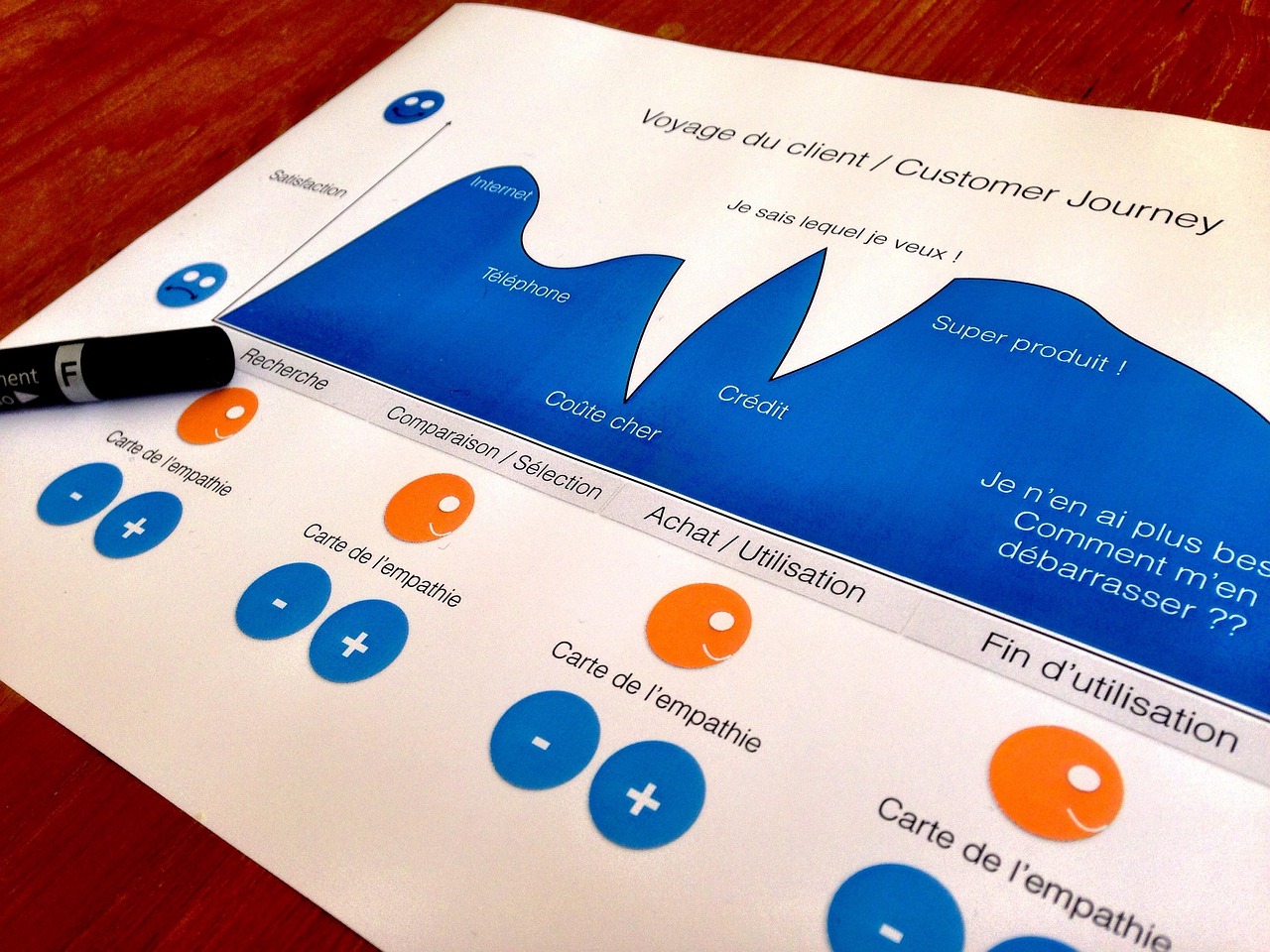
Customer journey mapping is crucial to understanding how consumers interact with your brand. The process begins with identifying touchpoints—moments when customers engage with your business. It is vital to detail each stage from awareness to loyalty, thus reflecting their thoughts, emotions, and challenges. To create an effective journey map, analytics tools and feedback collection methods play a necessary role. Surveys, user-testing sessions, and social media monitoring provide valuable insights, paving the way for a comprehensive map. Additionally, visualizing the customer journey through diagrams or flowcharts helps in better comprehension of data. Implementing these visual tools ensures that all stakeholders are aligned with the strategy and goals. Engaging team members from different departments, including marketing and customer service, will offer diverse perspectives, enriching the mapping process. Moreover, regularly updating these maps based on evolving consumer behaviors creates a dynamic approach to retention and satisfaction. This approach propels brands to respond effectively to customer needs, ultimately improving their overall experiences. Such techniques may include empathy mapping, building personas, and examining the customer life cycle, further refining the maps to effectively meet customer expectations. Utilize these strategies for better mapping outcomes.
Utilizing Empathy Mapping
Empathy mapping is a powerful technique that helps you dive deep into the customers’ minds and hearts. This tool provides a simple way to visually represent customer insights based on what they say, think, feel, and do. By capturing feedback from customer interviews or surveys, you can gain invaluable insights. Empathy mapping encourages you to understand customers’ emotional journeys, not just their actions. When you identify pain points through this method, it becomes easier to address issues before they escalate. Create a four-quadrant map divided into sections for saying, thinking, doing, and feeling. Populate these sections with your data to create a holistic view of the customer experience. Use sticky notes to categorize insights and identify themes amongst different customer personas. Sharing these findings across departments will align marketing strategies and customer service responses. Incorporating empathy into your marketing mixes ensures that you offer actionable solutions rather than just products. Additionally, keeping empathy maps updated as customer perceptions change enhances your ability to remain relevant. Continuous engagement with customers and recalibrating your strategy is vital in maintaining lasting connections that foster brand loyalty.
Customer journey mapping also necessitates the application of technology tools. Various software solutions are available, designed to assist in visualizing, analyzing, and refining the customer experience. Tools such as Lucidchart, Miro, or Smaply allow you to create interactive maps that can be updated in real-time. These platforms help teams visualize the journey more effectively, making it easier to collaborate. Integrating customer relationship management (CRM) systems with these tools ensures all customer interactions are captured. Accurate data collection provides important insights that can drive strategy and decision-making. Identifying the emotions related to specific touchpoints can lead to actionable changes. Furthermore, deploying analytics tools and dashboards helps in tracking customer behavior over time. This data-driven approach allows organizations to predict future trends and needs. It is essential to ensure that the team is trained to utilize these tools effectively. Workshops and training sessions can help familiarize team members with the software capabilities. Consequently, these technological aids improve internal communications, enhance transparency, and ultimately lead to improved customer satisfaction outcomes. Optimize your mapping methodologies using advanced technological tools to stay competitive in today’s digital landscape.
Building Detailed Customer Personas
Developing detailed customer personas is a cornerstone of effective customer journey mapping. These personas represent ideal customers and help brands tailor their messaging and services. Start by collecting demographic information, behaviors, and preferences through surveys, interviews, and market research. Segment your audience based on shared characteristics to create distinct personas that reflect various customer needs. Include aspects like goals, motivations, and challenges to enrich your understanding of each persona’s journey. When mapping the customer journey, you can align touchpoints with specific personas. This allows you to fine-tune marketing strategies and evaluate the effectiveness of campaigns. Utilize these personas to predict reactions and plan targeted interactions. Personas must evolve based on continuous feedback to stay relevant; ensure they don’t become static. Regularly revisiting and updating them, especially post-campaign, allows for adjustments and improvements. Sharing these personas with your teams promotes clarity and helps in aligning vision and goals. This understanding fosters a culture of customer-centricity within your organization. Emphasizing personas and their unique experiences lets you enhance customer satisfaction and encourage brand loyalty, leading to sustained success.
Analyzing the customer journey involves assessing multiple metrics that can provide insight into the effectiveness of touchpoints. This analysis can be conducted through customer feedback, engagement rates, and conversion statistics. Utilize tools like Google Analytics to track user interactions on your website or digital platforms. Understanding the flow of visitors helps identify funnel bottlenecks that could diminish the overall experience. You can make informed decisions about where adjustments need to occur throughout the journey. Additionally, employing Heatmap software will illustrate where customers engage the most on a page, revealing patterns in user behavior. Combine qualitative insights from customer feedback with quantitative data for a holistic understanding. Continuous monitoring ensures that your mapping process is proactive and responsive to customer needs. Iteratively refining touchpoints based on these analyses enhances overall performance and satisfaction levels. Share these findings with your organization regularly to foster collaboration and innovation. Involvement across all departments will enrich the mapping process, showing how each part of the organization contributes to customer experience. This cooperation unveils holistic insights, fueling improvements for each stage of the customer journey.
The Role of Customer Feedback in Mapping
Incorporating customer feedback is pivotal in refining customer journey maps effectively. Feedback mechanisms enable you to understand genuine perceptions regarding touchpoints. Surveys, focus groups, and user testing help identify areas of success and those needing improvement. Encourage customers to share their experiences; this data can offer specific insights about pain points. Analyzing common trends in responses is beneficial, as they often point out areas that require immediate attention. Utilize tools like Net Promoter Score (NPS) to evaluate customer satisfaction. A systematic approach to gathering feedback ensures a continuous flow of insights to enhance mapping. The insights gathered from customers around their expectations help inform strategic decisions. Dedicate time to analyze and implement changes based on this feedback. Solicit feedback at critical moments in their journey to gather diverse perspectives, especially post-purchase. Engaging customers during their journey creates an ongoing dialogue, allowing for deeper understanding. Creating a feedback loop not only helps in refining the map but also shows customers that their opinions matter. This engagement fosters loyalty and cultivates a community of advocates who contribute positively to your brand’s reputation and success.
In summary, customer journey mapping is a comprehensive endeavor necessitating various tools and techniques. Incorporating empathy mapping, customer personas, and analytics enhances your understanding of customer experiences deeply. By utilizing technology, you create visual representations that resonate across your organization. Continuous improvement through feedback mechanisms fuels your journey mapping efforts, making sure they evolve as market dynamics change. Prioritize active customer engagement and leverage their insights for improving services and touchpoints. The shared understanding of customer journeys across departments strengthens collaboration and alignment with business objectives. Ultimately, this practice not only increases customer satisfaction but also drives business success and profitability. An effective map empowers brands to meet customer expectations efficiently, leading to higher retention rates and loyalty. Regularly revisiting and refining these maps ensures they resonate with ever-changing consumer behaviors. Commit to employing these various tools and techniques, and you will cultivate a customer-centric culture. A well-rounded customer journey map serves as a strategic asset, enabling organizations to anticipate customer needs and stay ahead of the competition. Make customer journey mapping an integral part of your business strategy for profound success.
Conclusion
In conclusion, employing the right tools and techniques for effective customer journey mapping creates a distinctive advantage for brands seeking long-term success. By understanding customer emotions and behaviors, businesses can design better experiences tailored to their audience. This journey will lead to higher conversion rates and improve customer loyalty significantly. Integrating customer feedback, empathy maps, and detailed personas contributes to an agile approach that reflects the ever-evolving marketplace. Furthermore, the strategic application of technology not only simplifies map creation but enhances analytical capabilities, which leads to improved decision-making. Engagement with customers should be an ongoing effort, with commitment from all organizational levels to prioritize their needs. Celebrating small wins along the journey further sets the stage for larger successes over time. As you implement these strategies, monitor and adjust your tactics in real time to respond to changes in consumer sentiment. Adapting to new trends ensures that your customer journey maps remain accurate and effective. By prioritizing customer experiences in your marketing and sales efforts, you build a foundation of loyalty and trust that withstands the test of time.